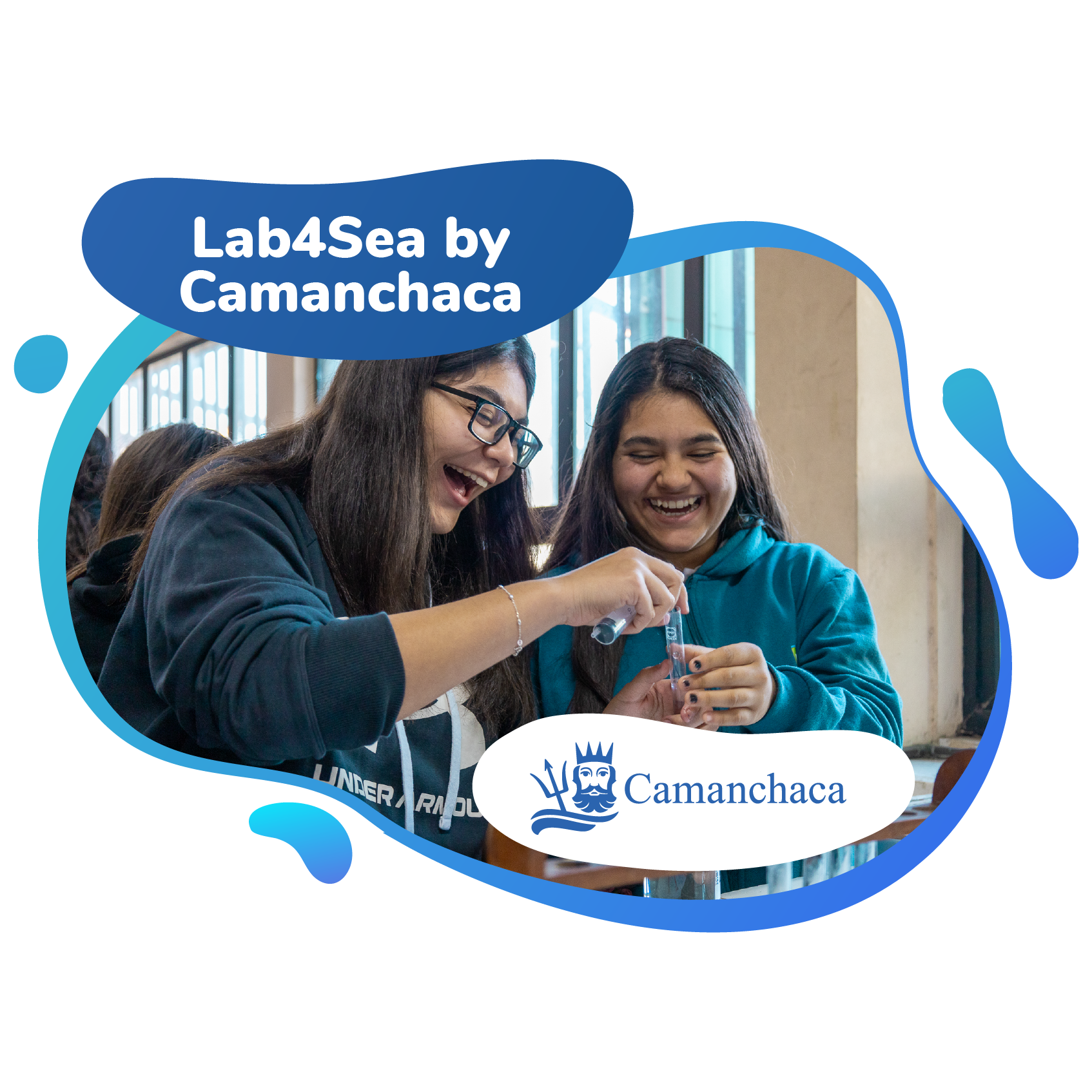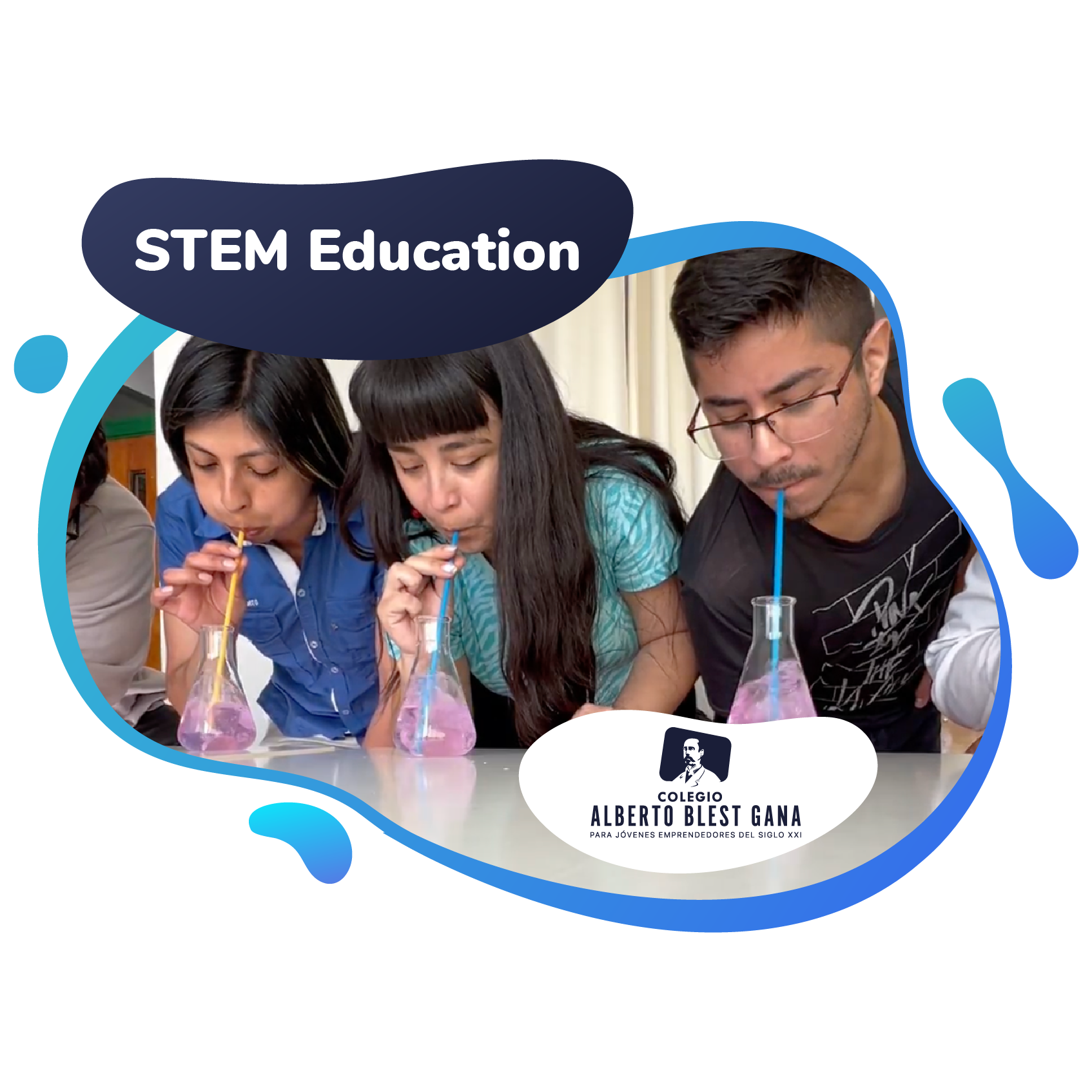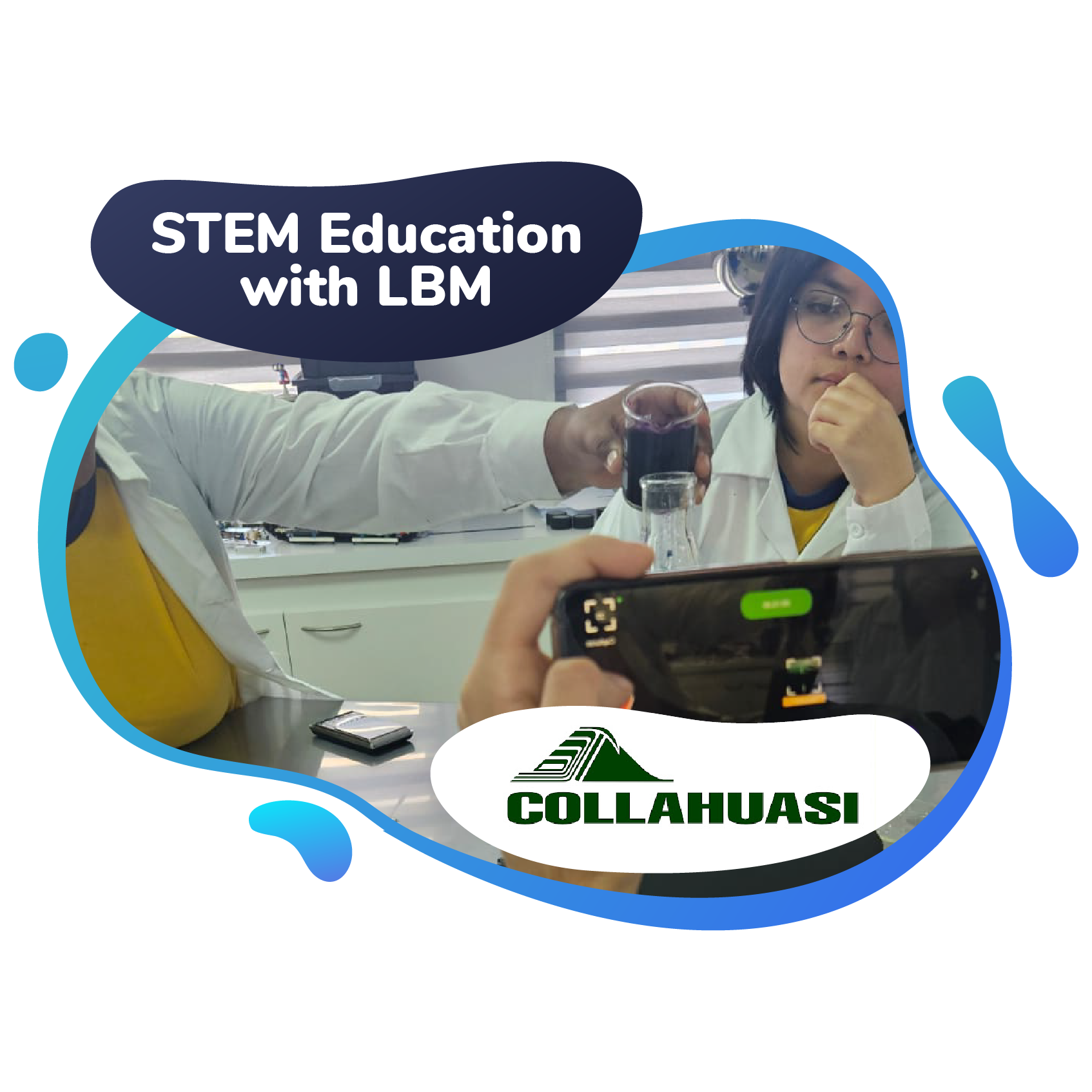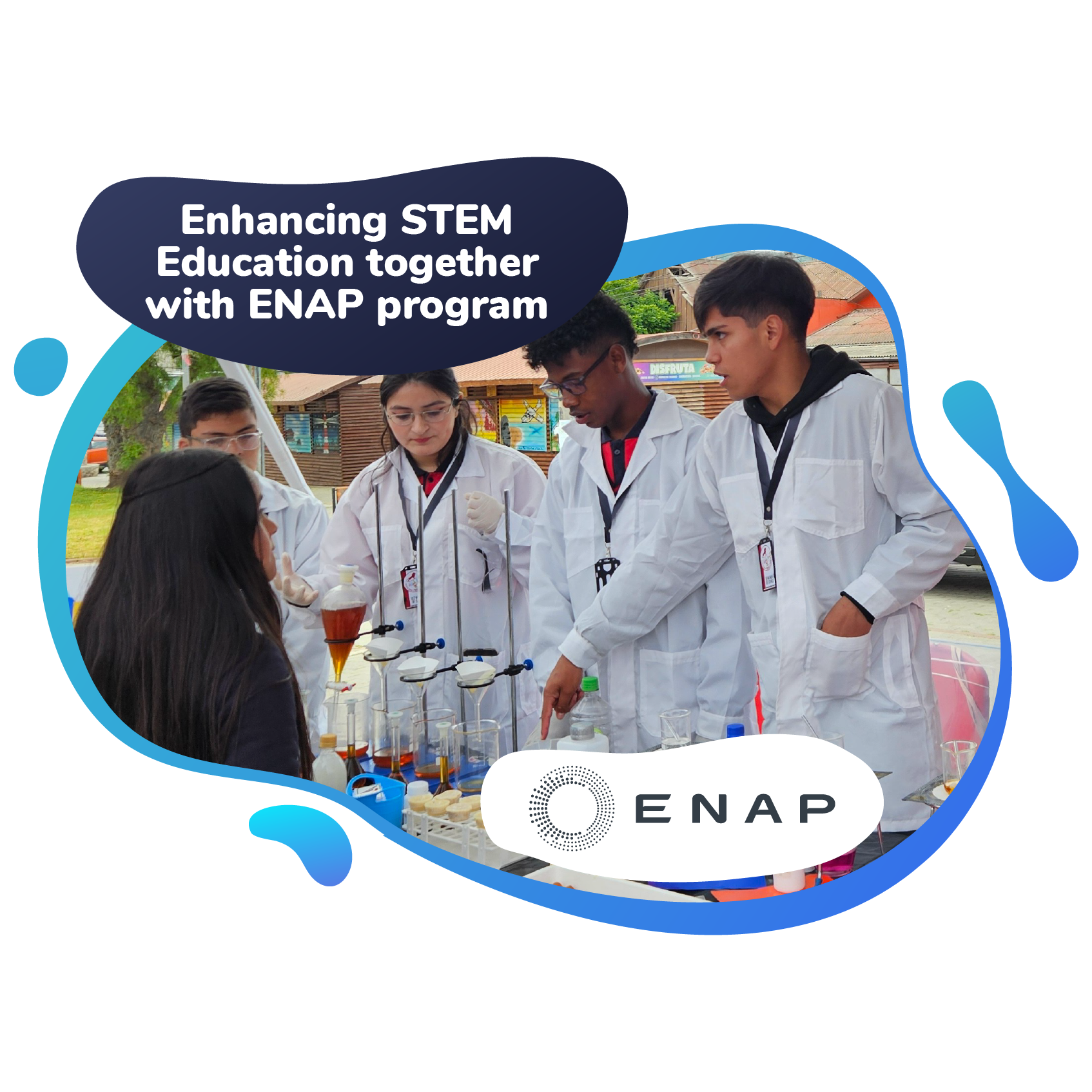
 Evidence that validates our model
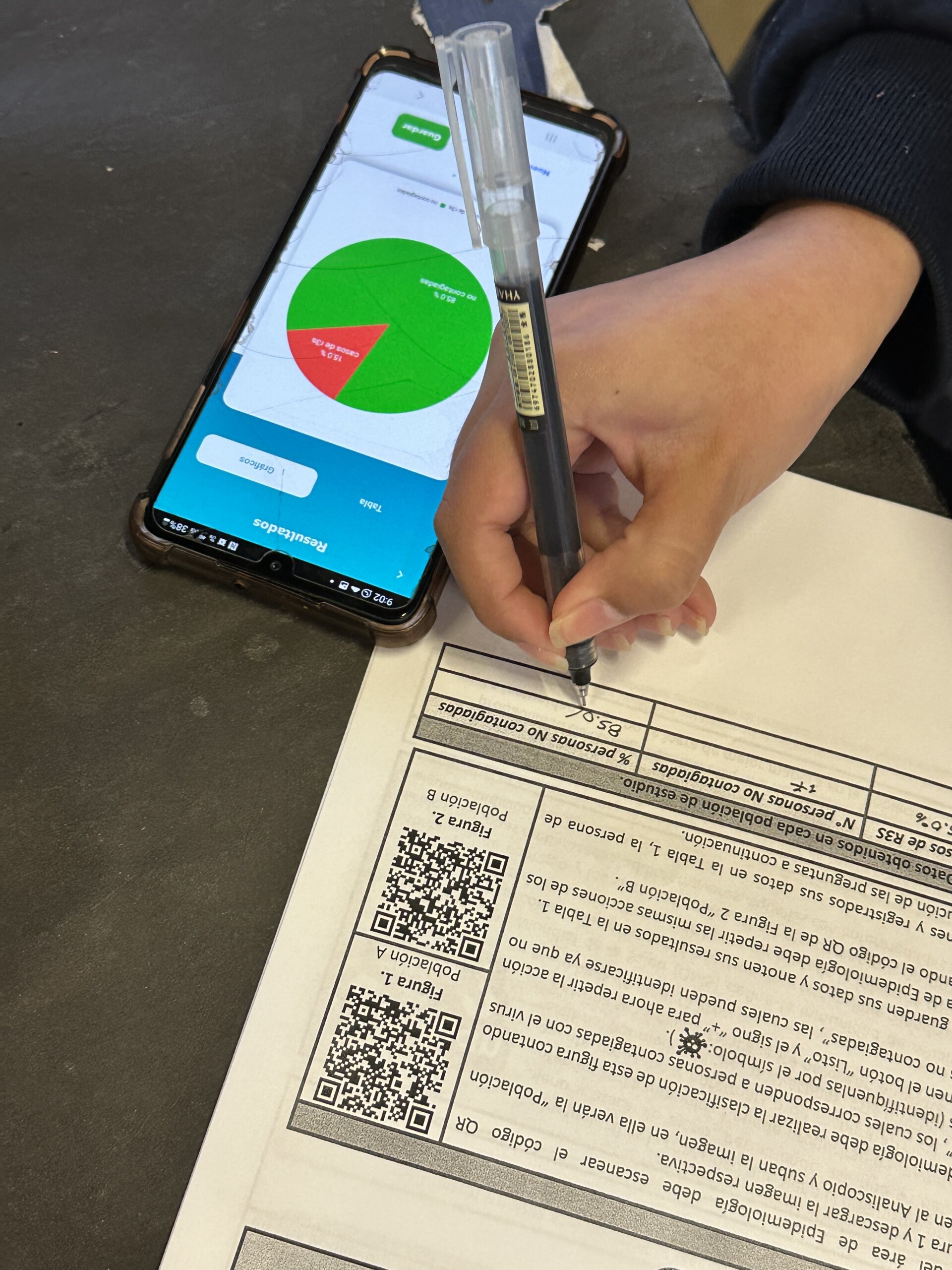
A randomized controlled trial (RCT) by the Inter-American Development Bank confirmed significant improvements in:
- Scientific knowledge
- Confidence in STEM
- Interest in science and tech careers
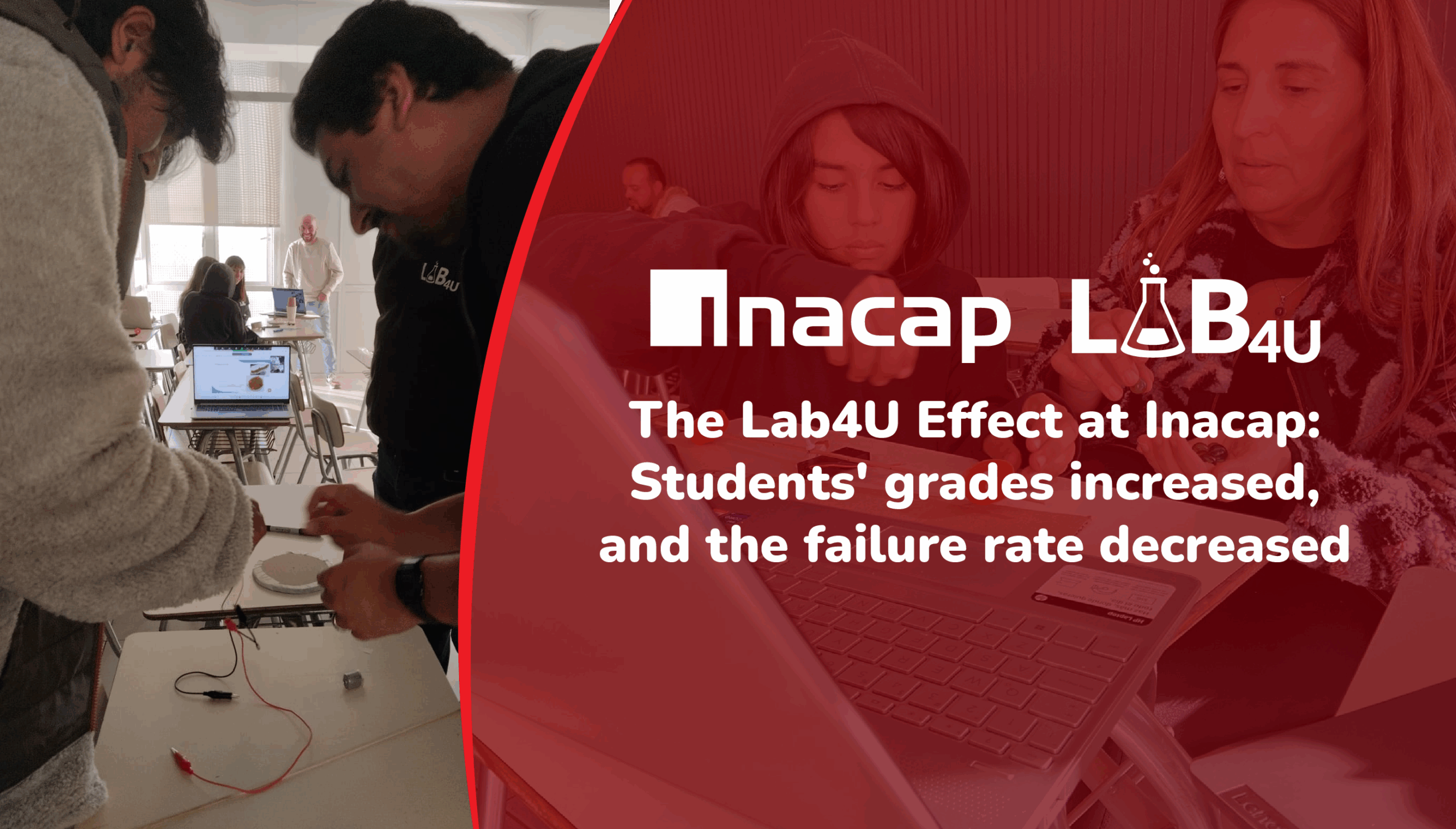
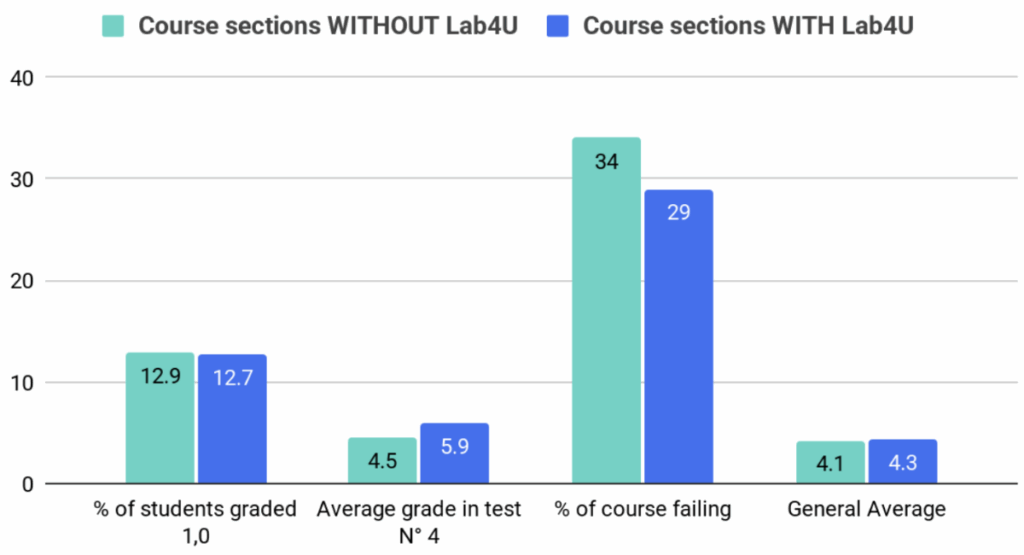
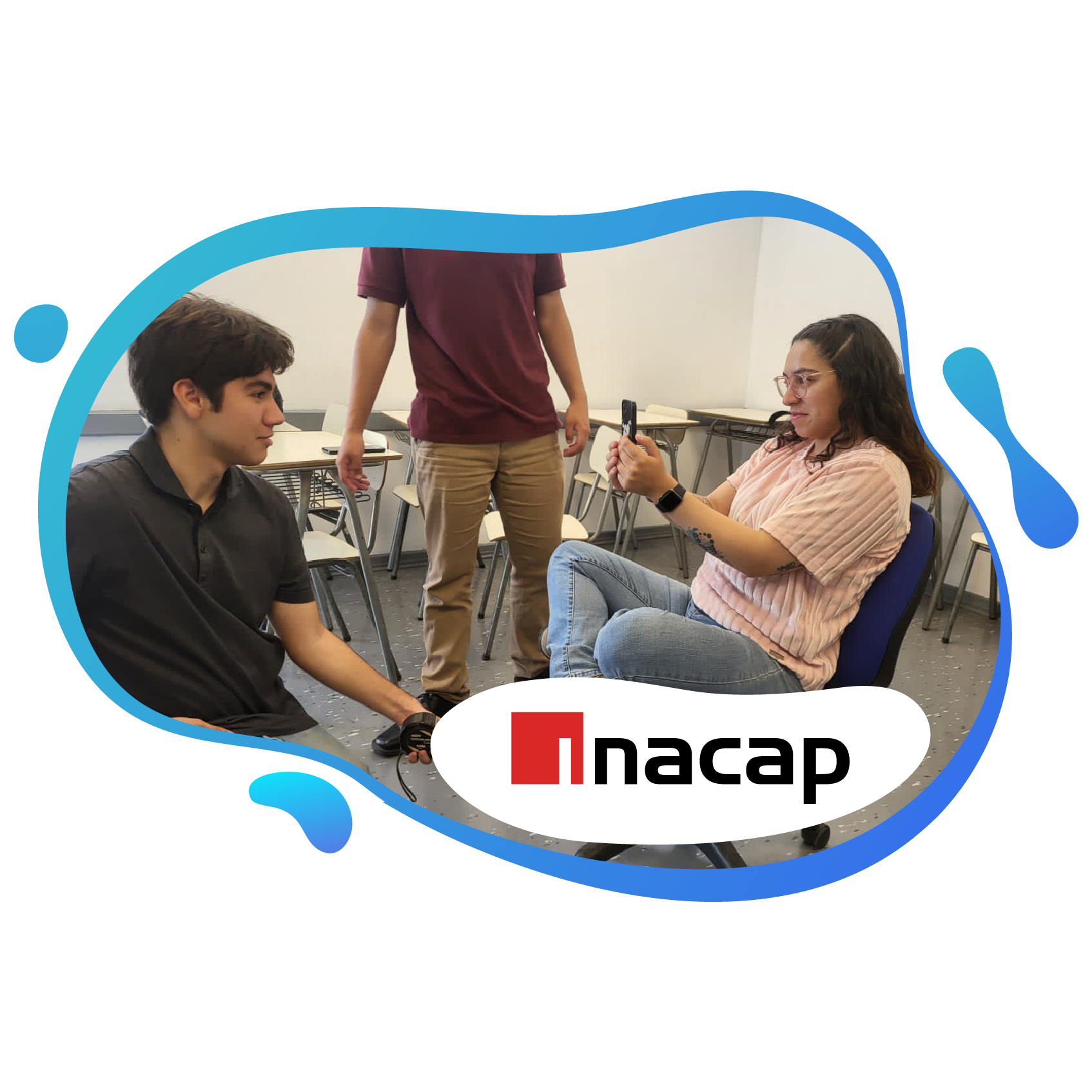
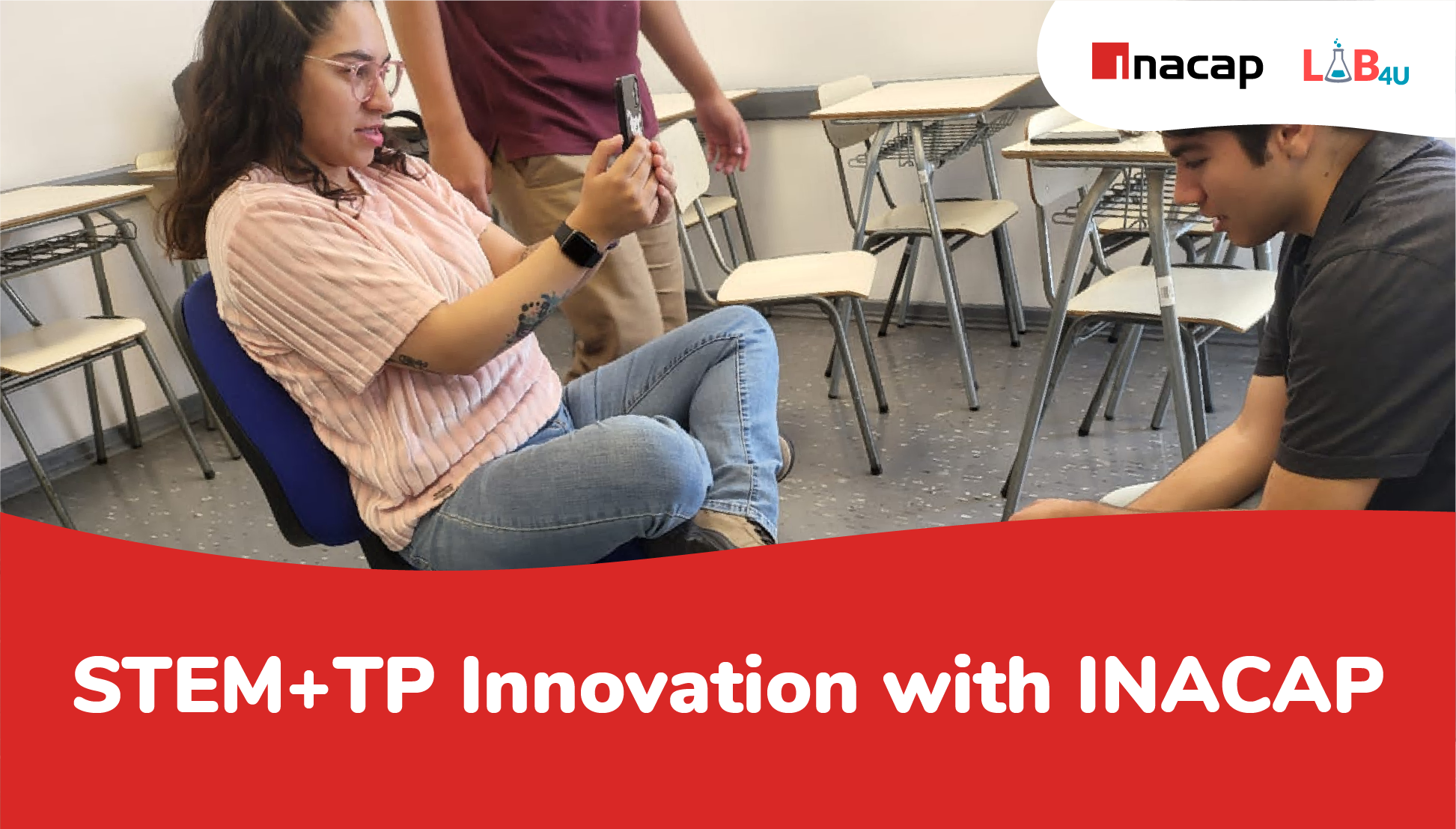
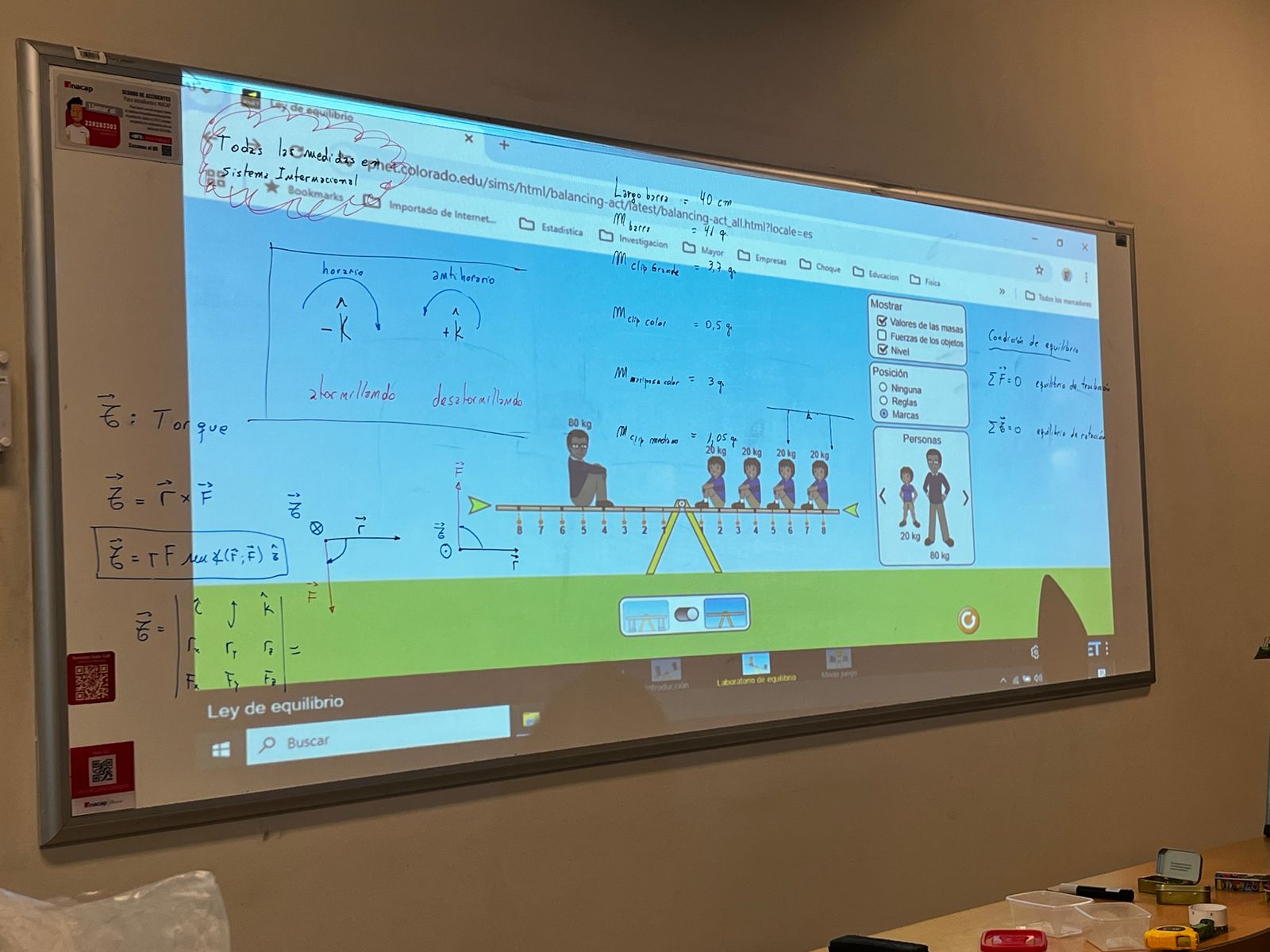
Additionally, our pilot with INACAP showed clear results: +31% in average grades and -5 percentage points in failure rates.
 Real transformations
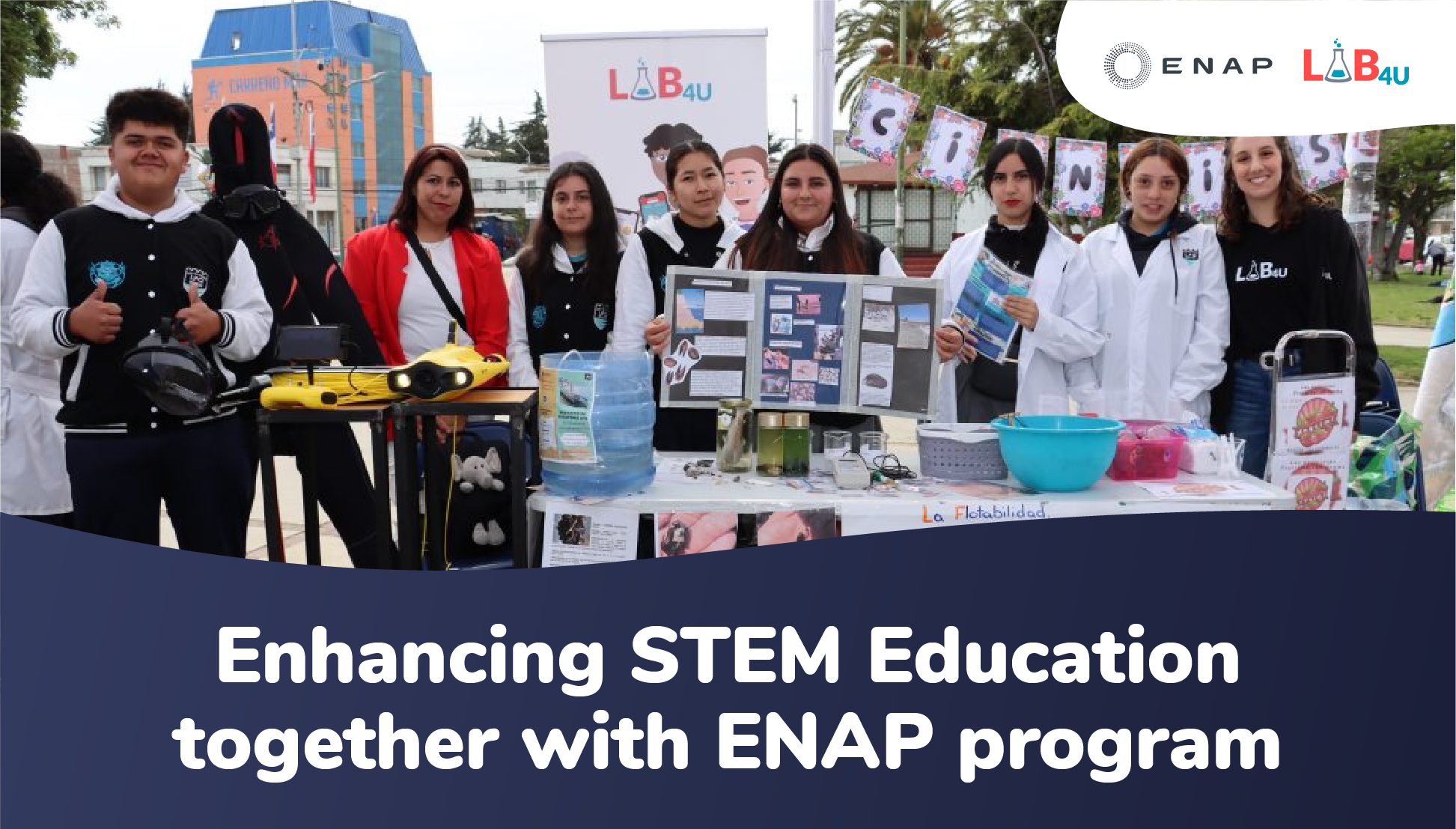
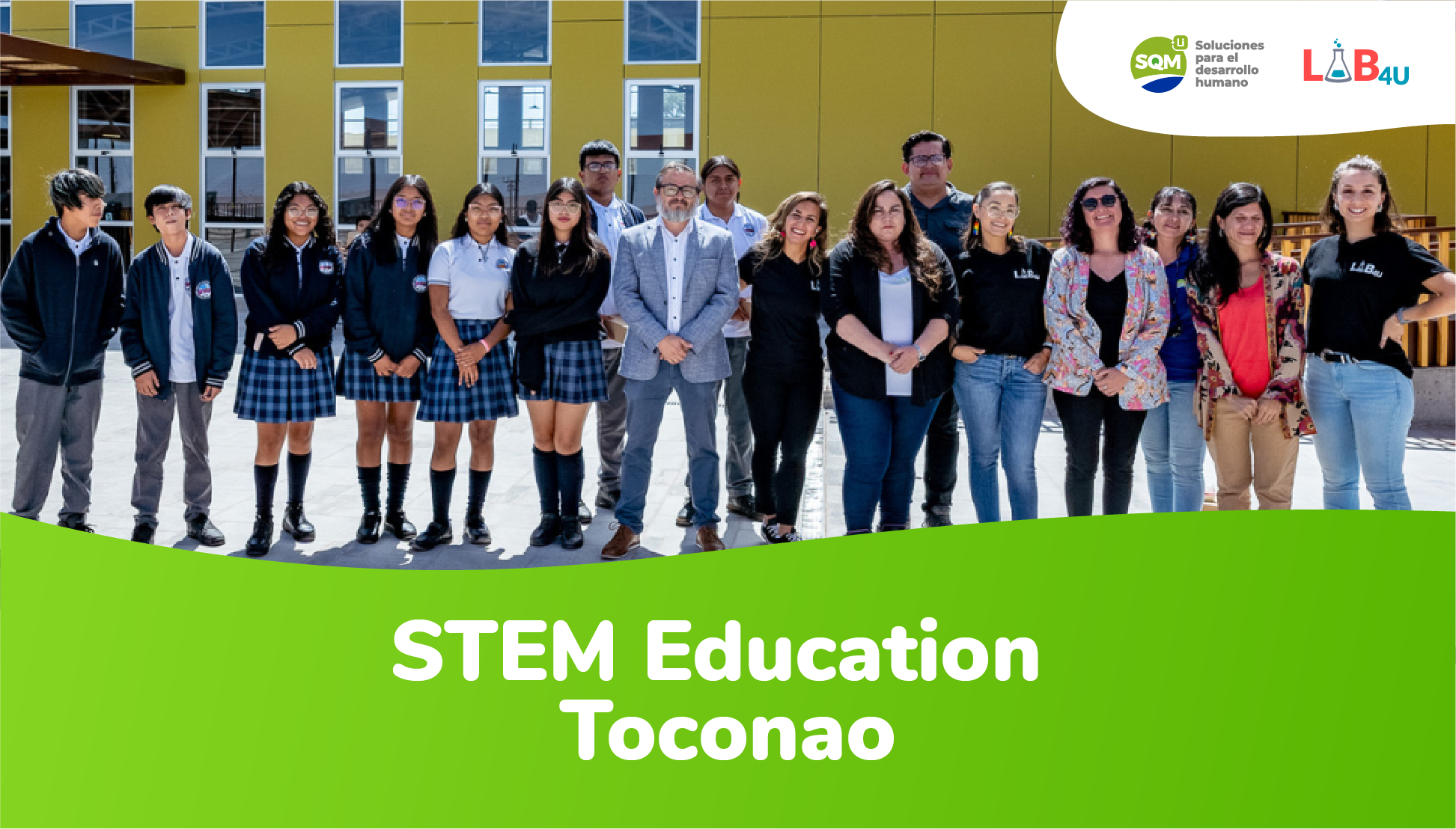
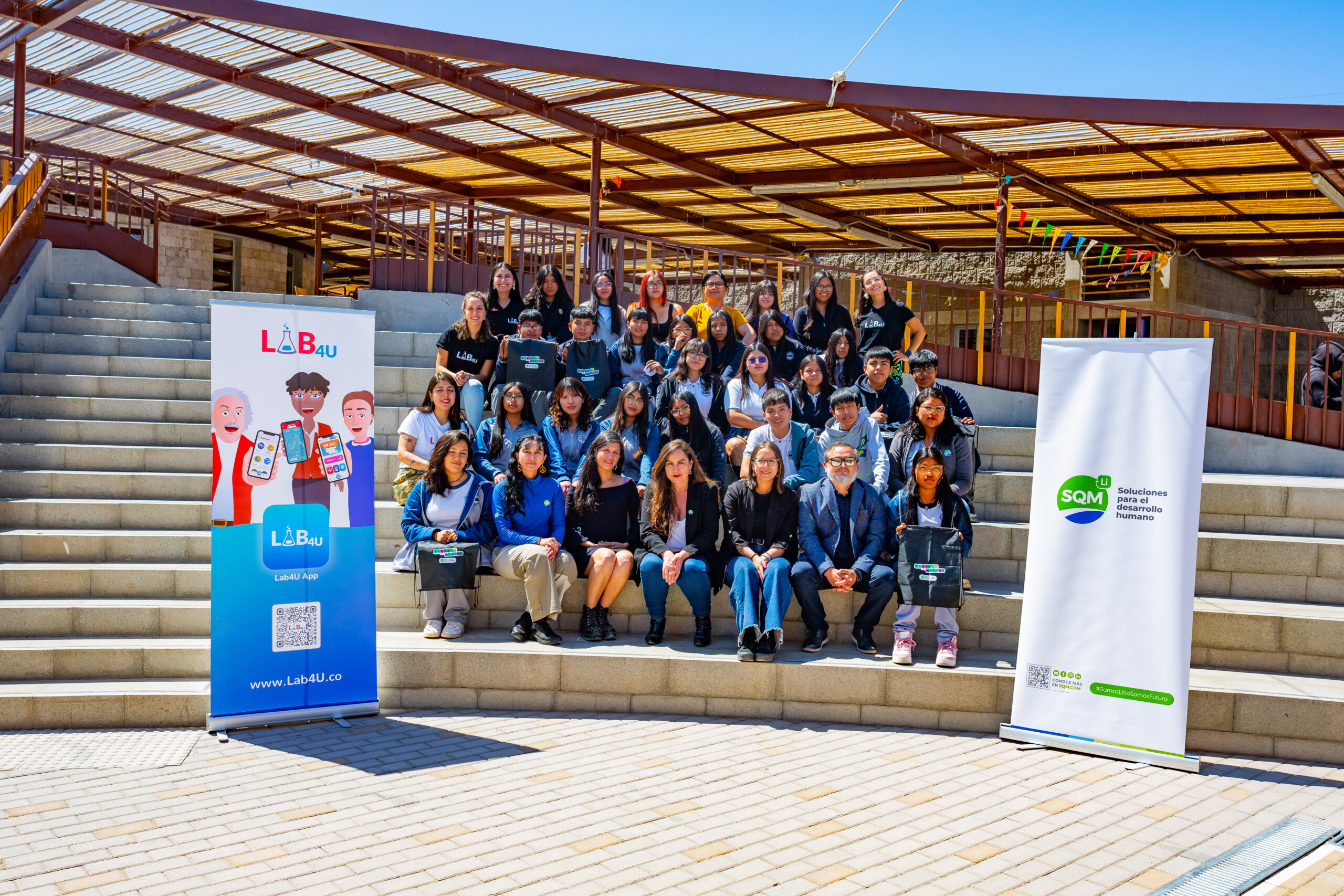
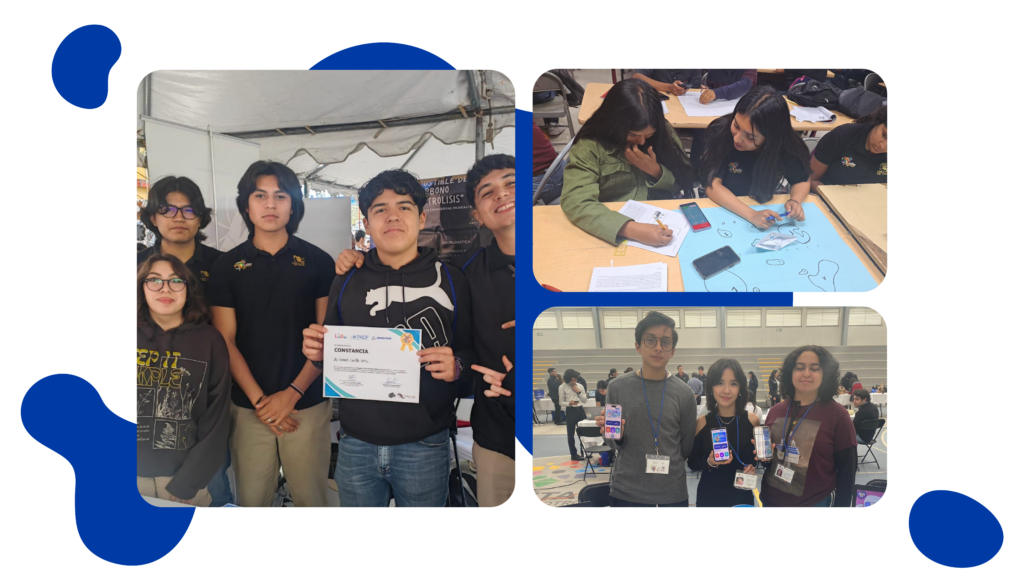
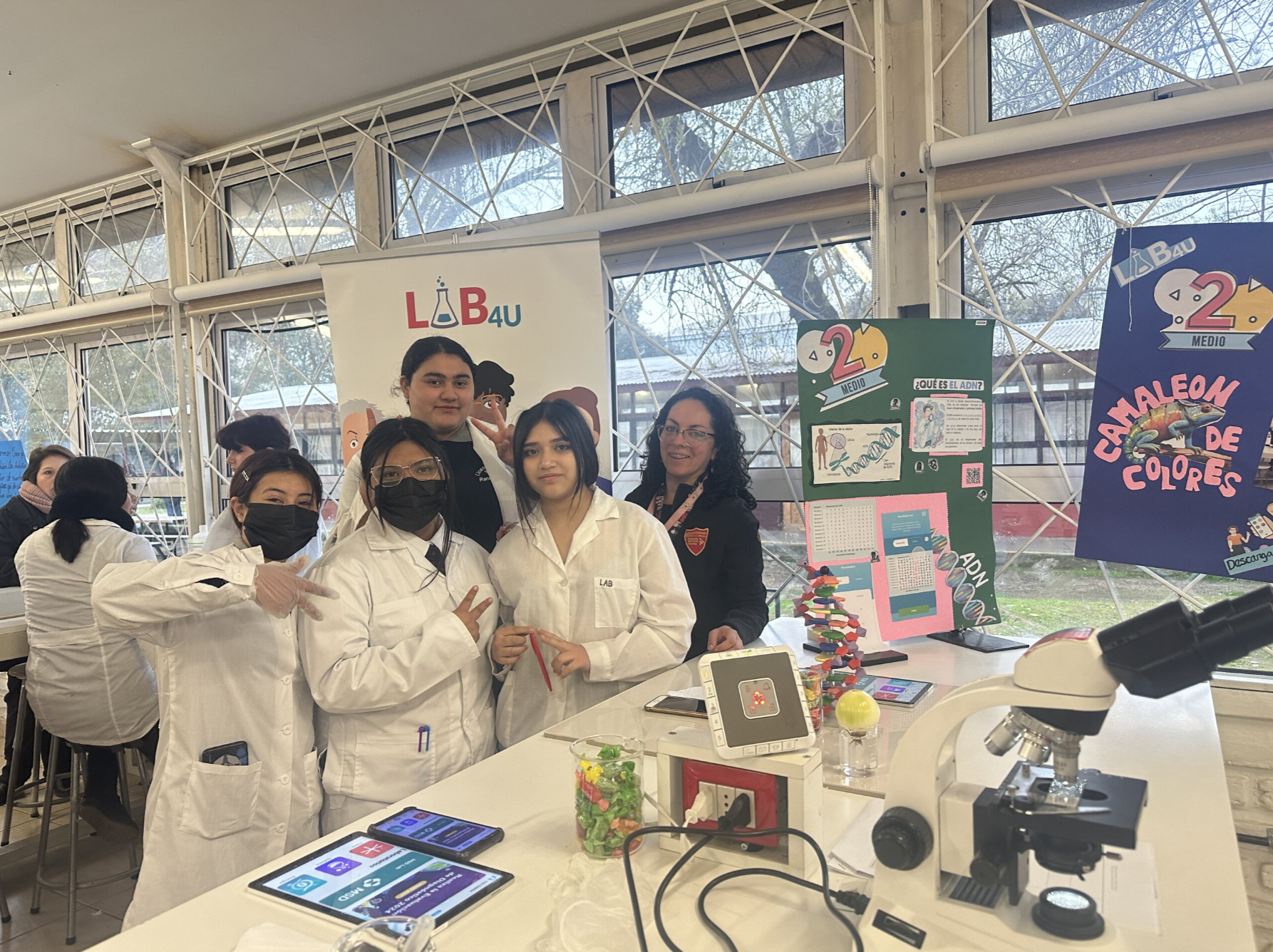
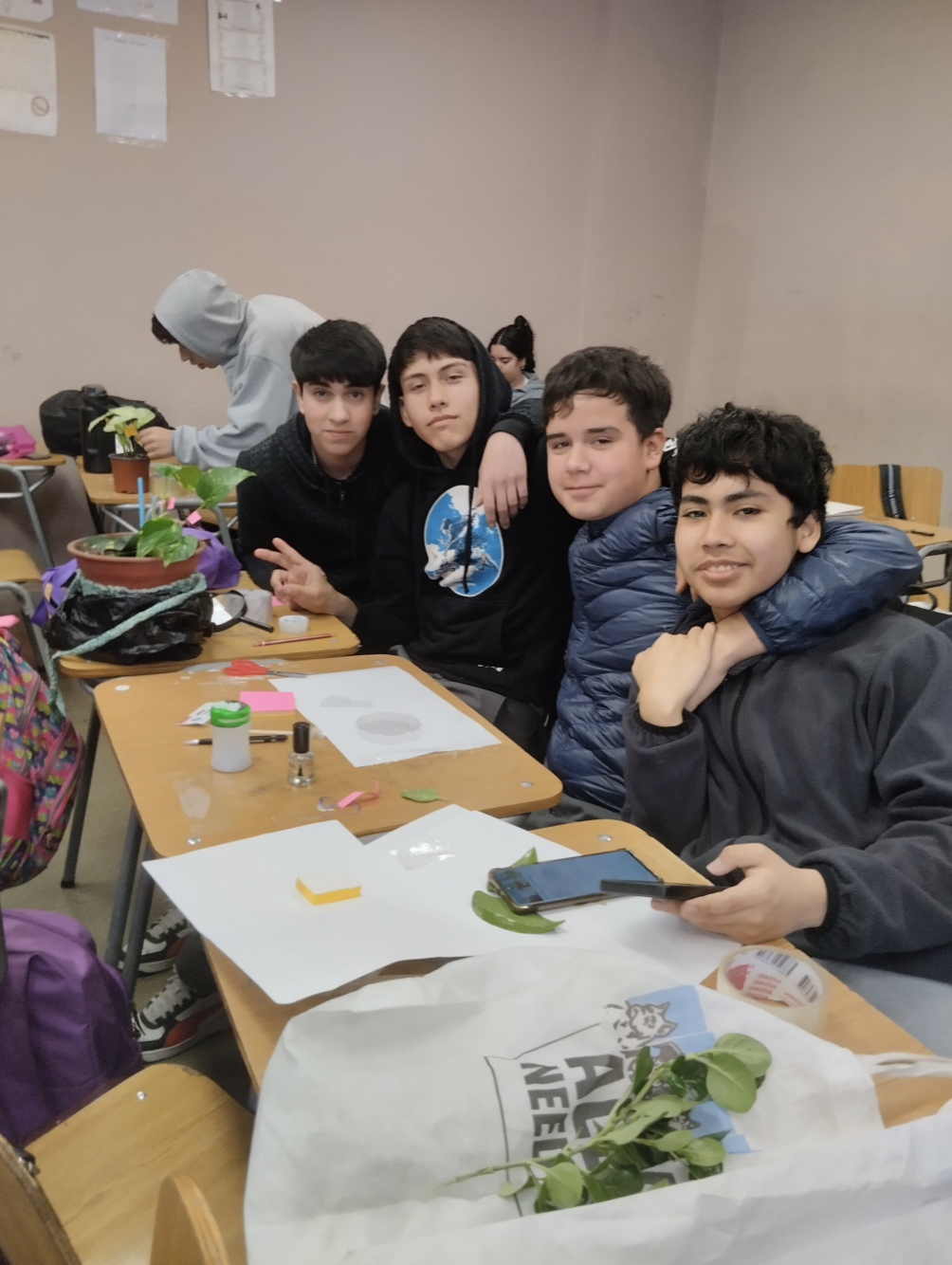
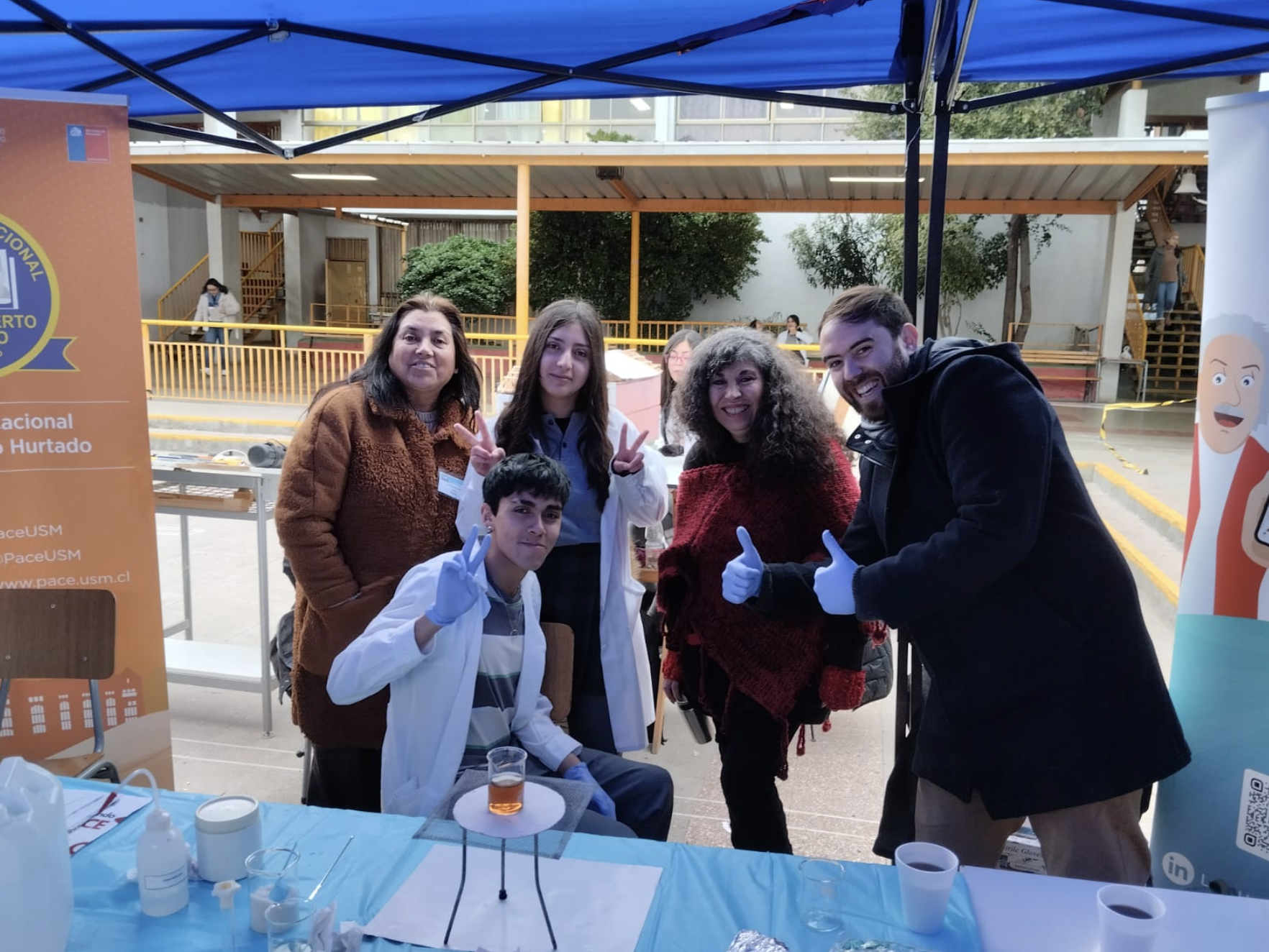
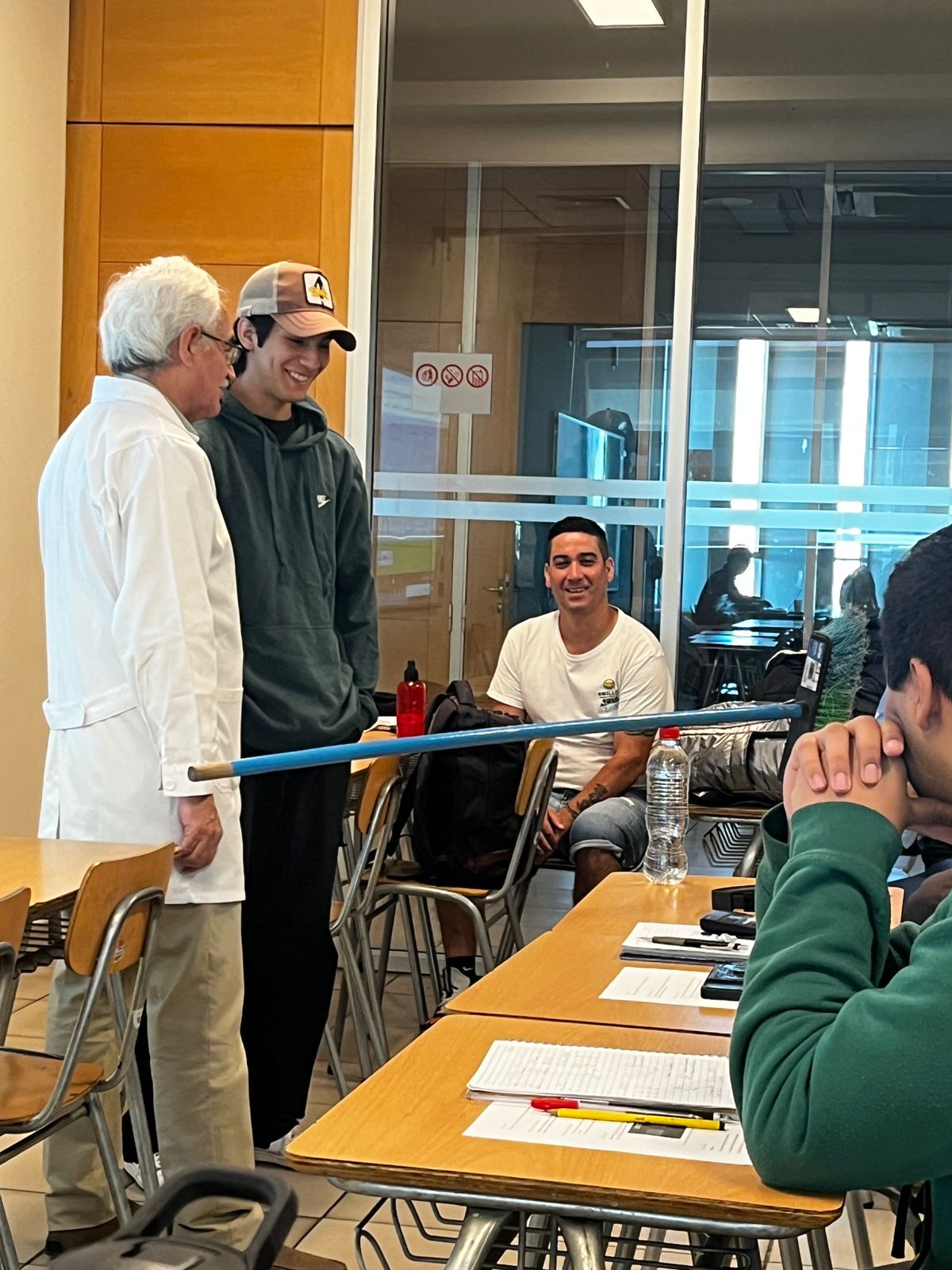
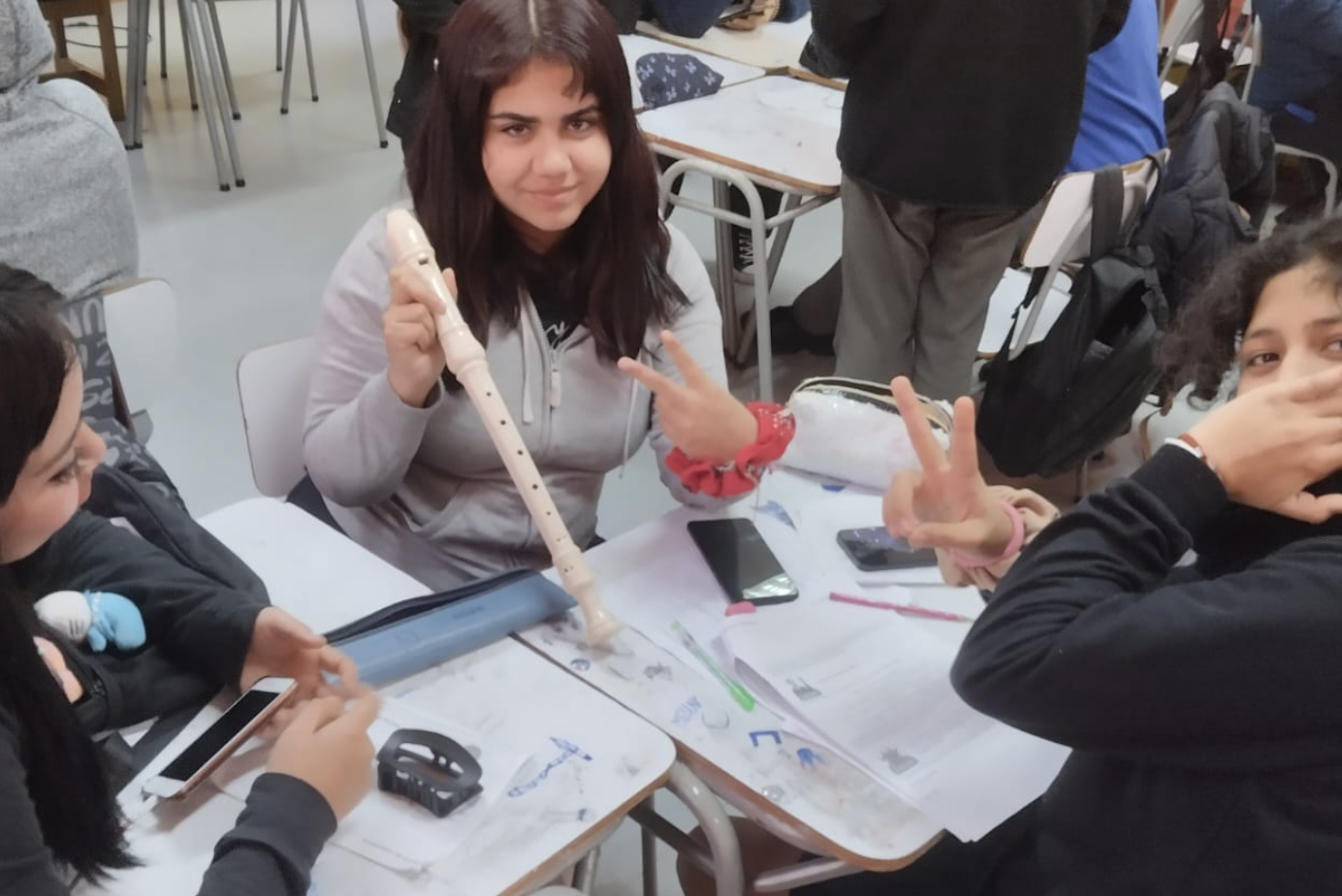
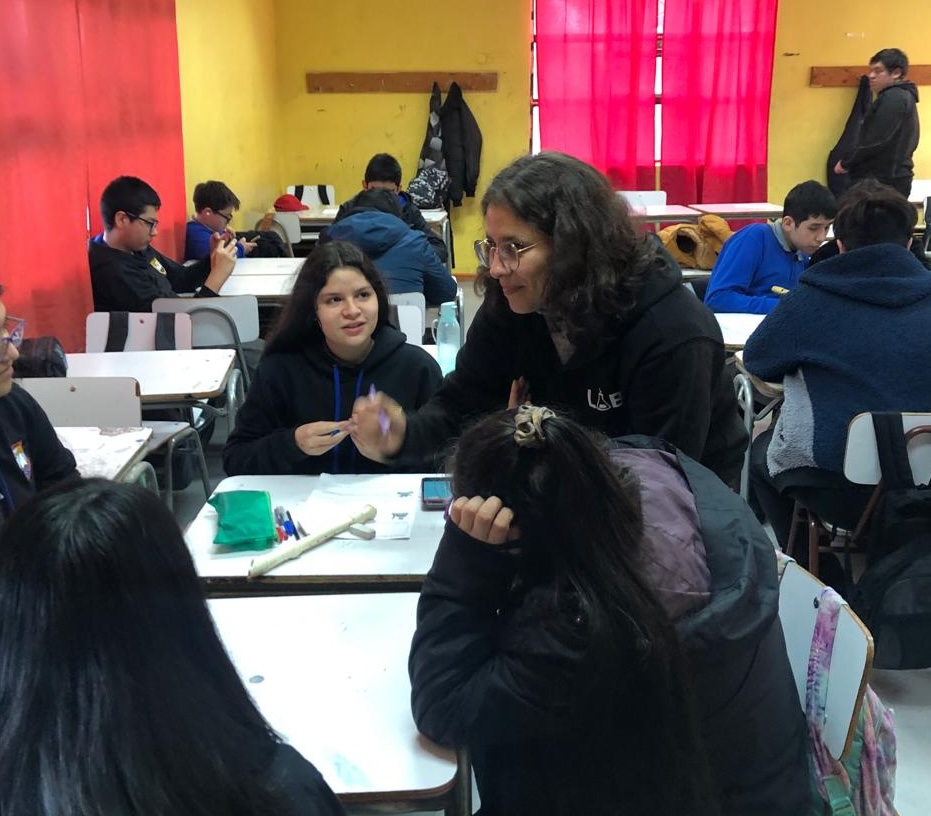
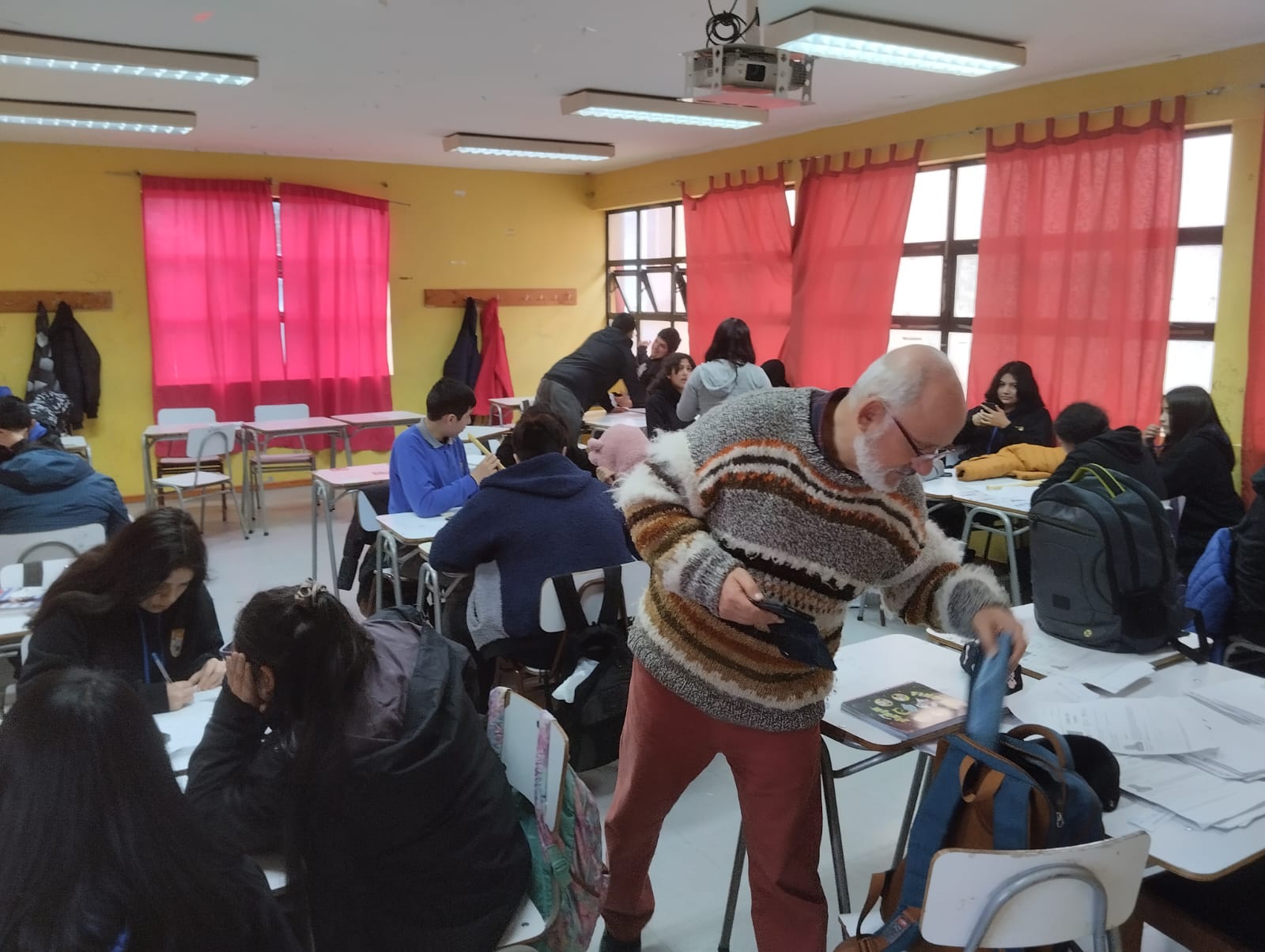
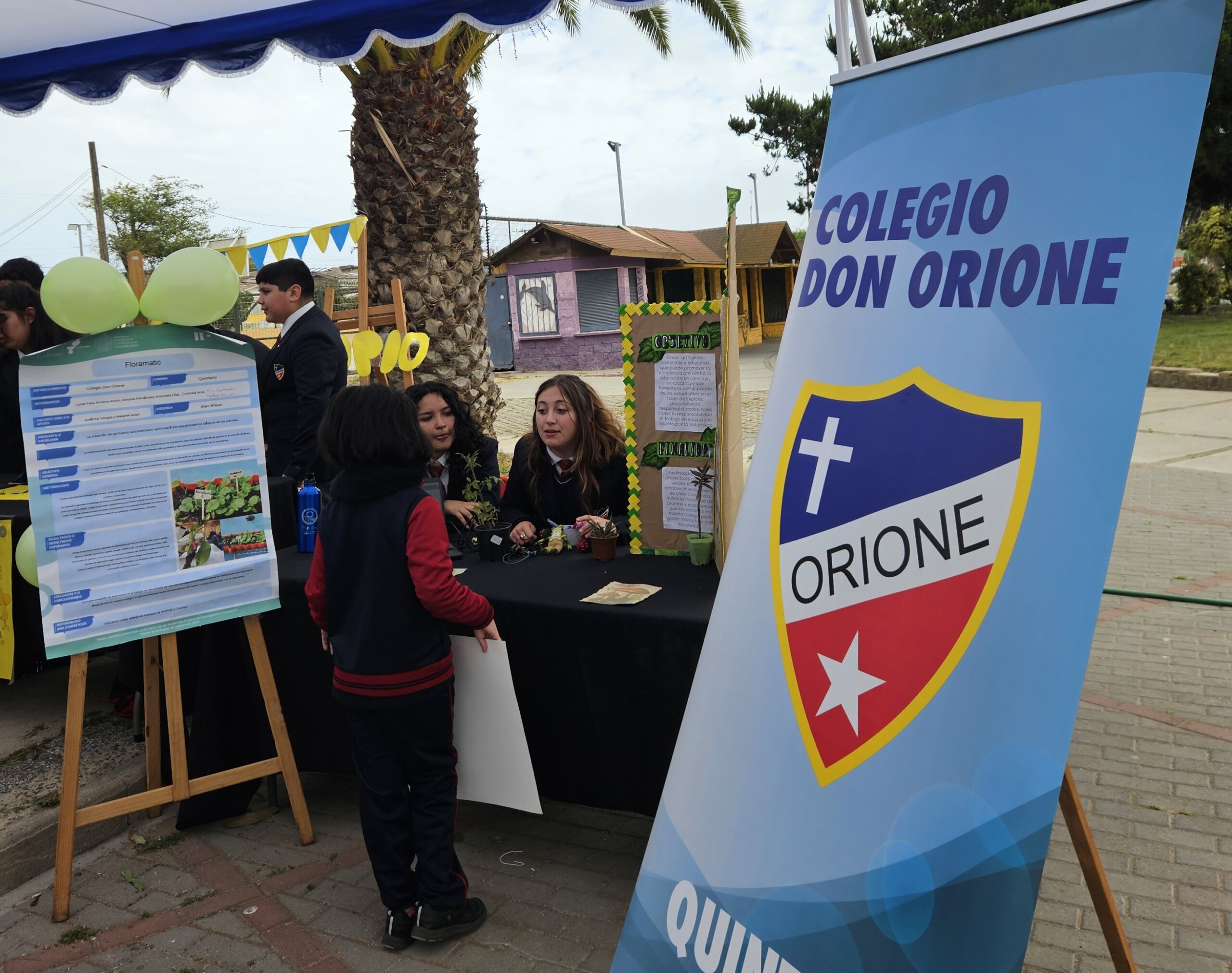
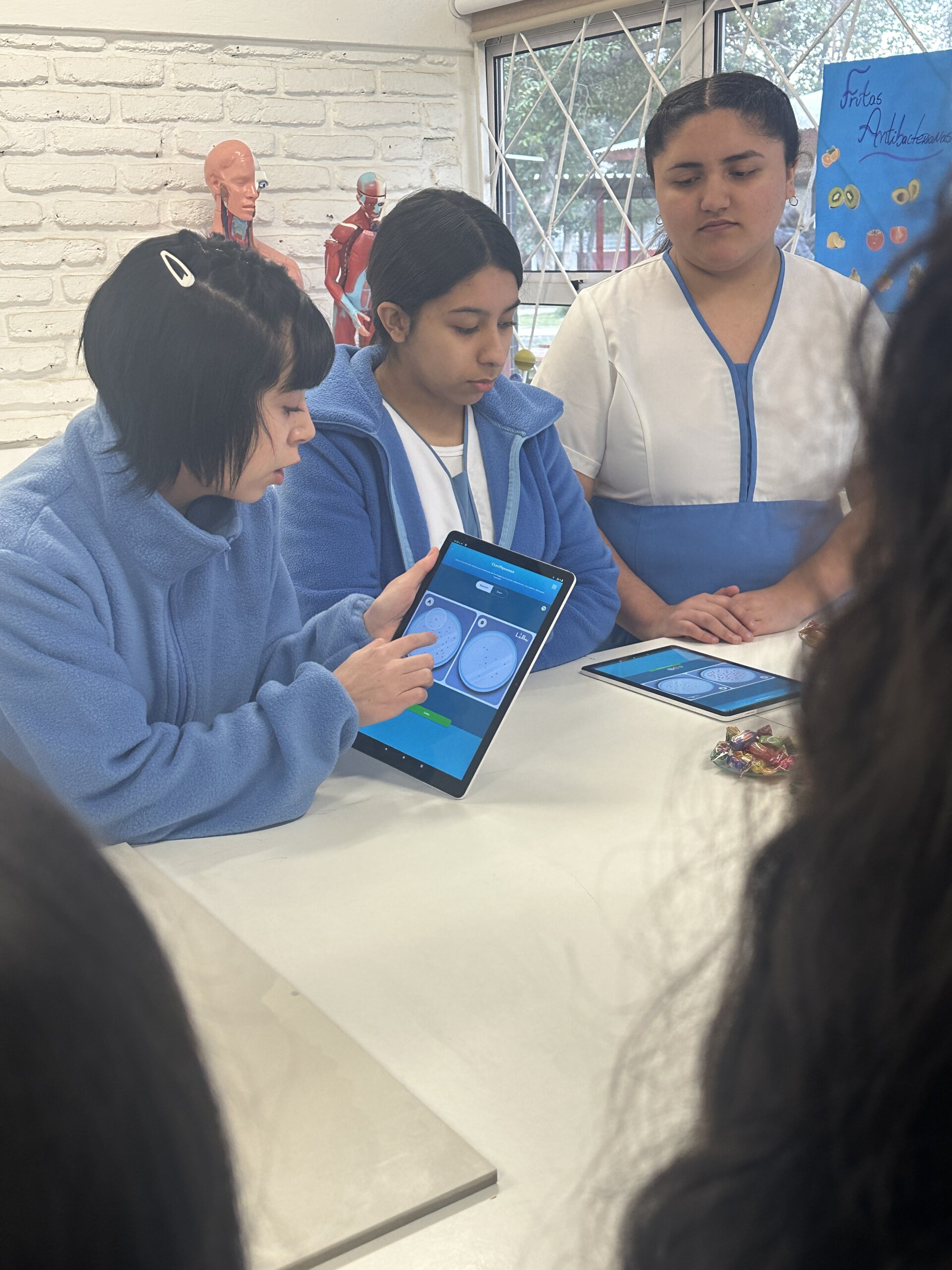
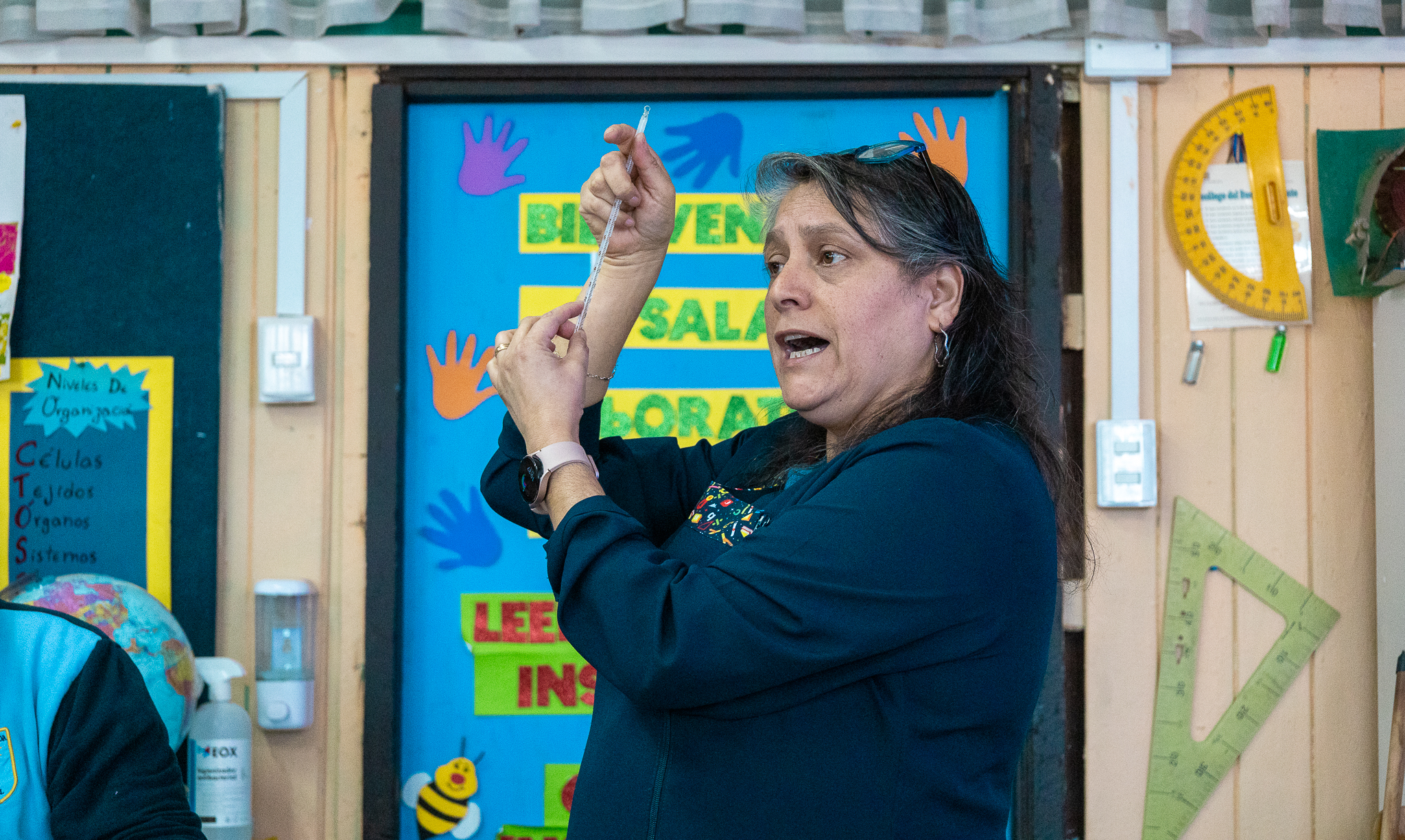
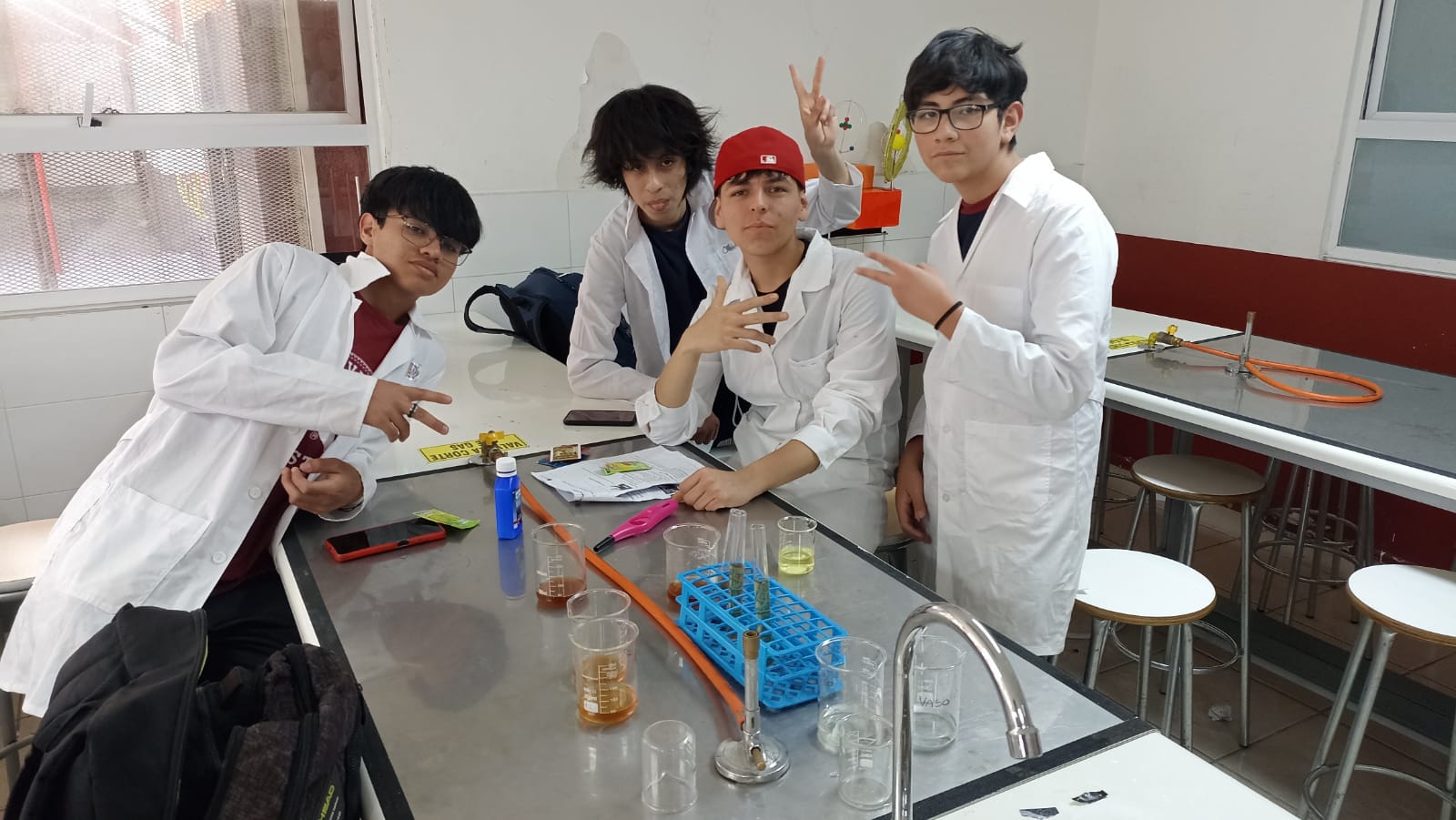
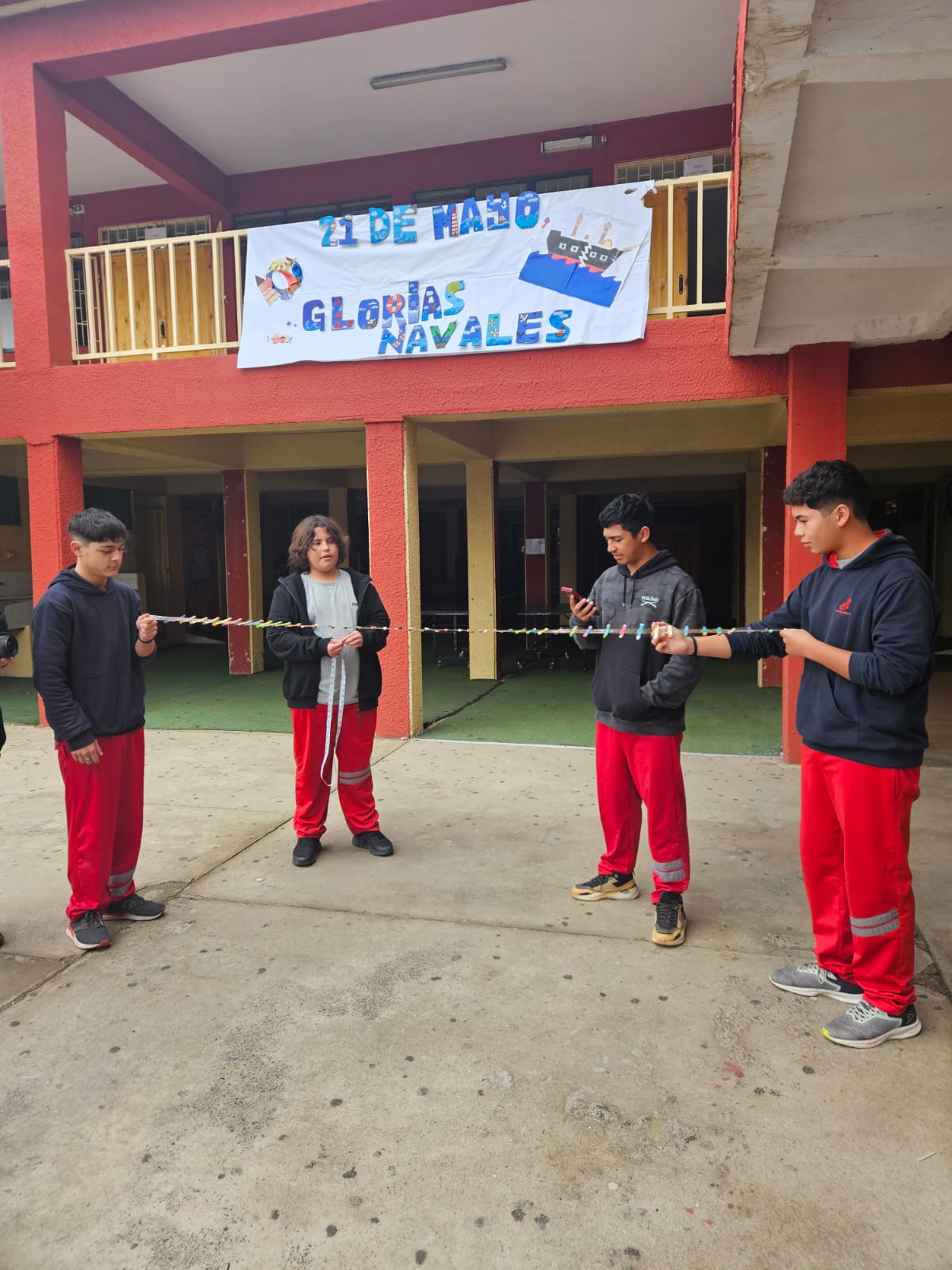
In diverse contexts —rural, technical, and urban— we saw concrete changes:
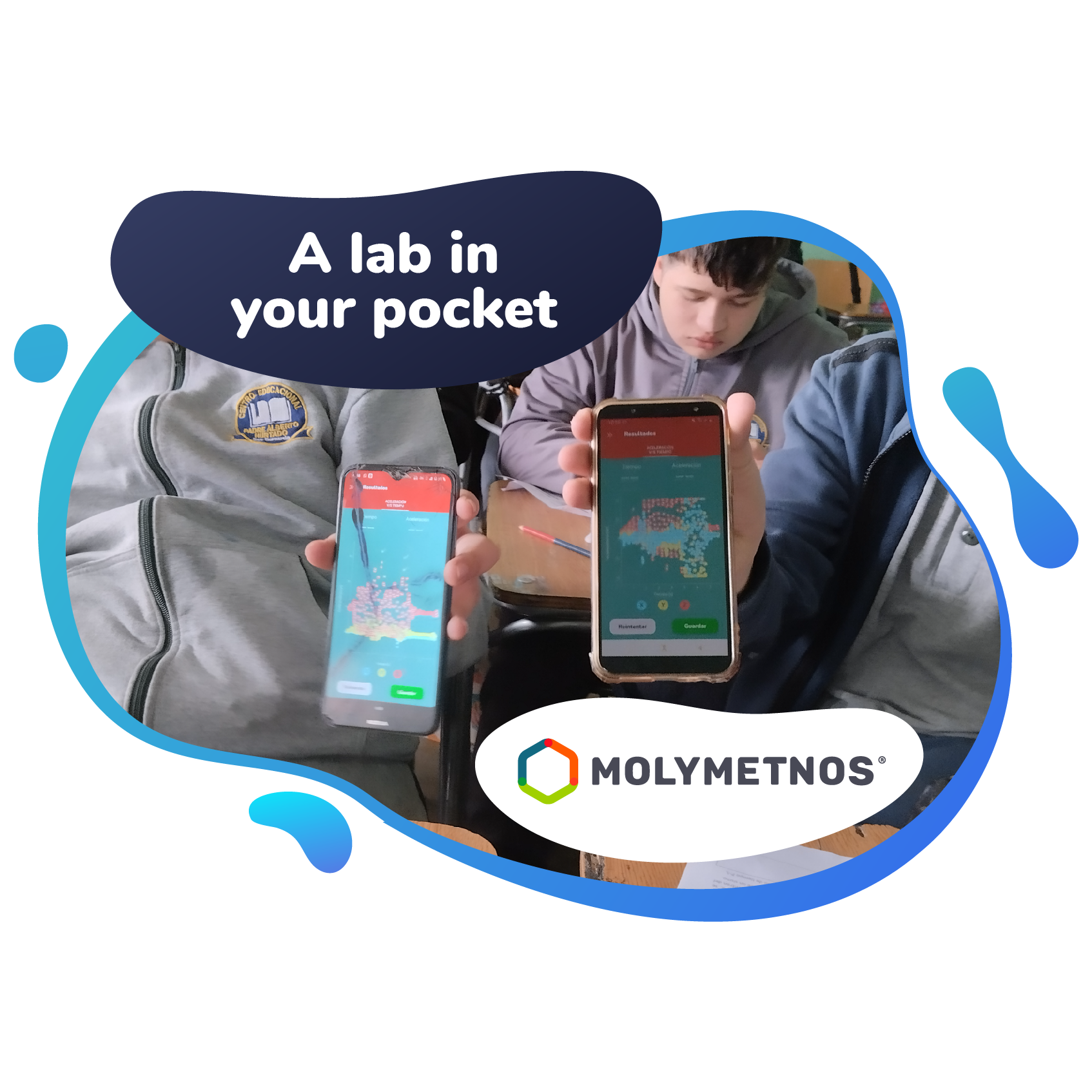
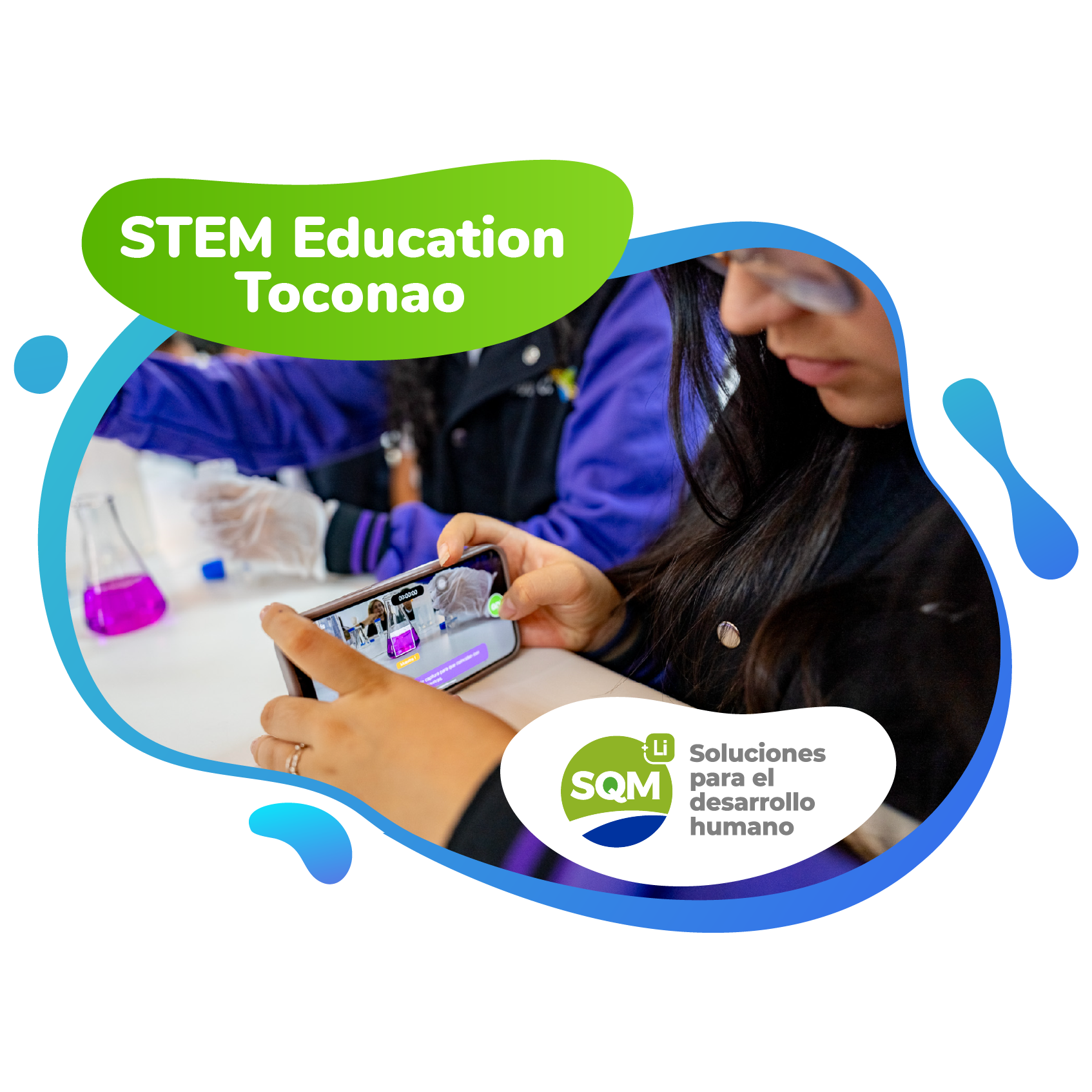
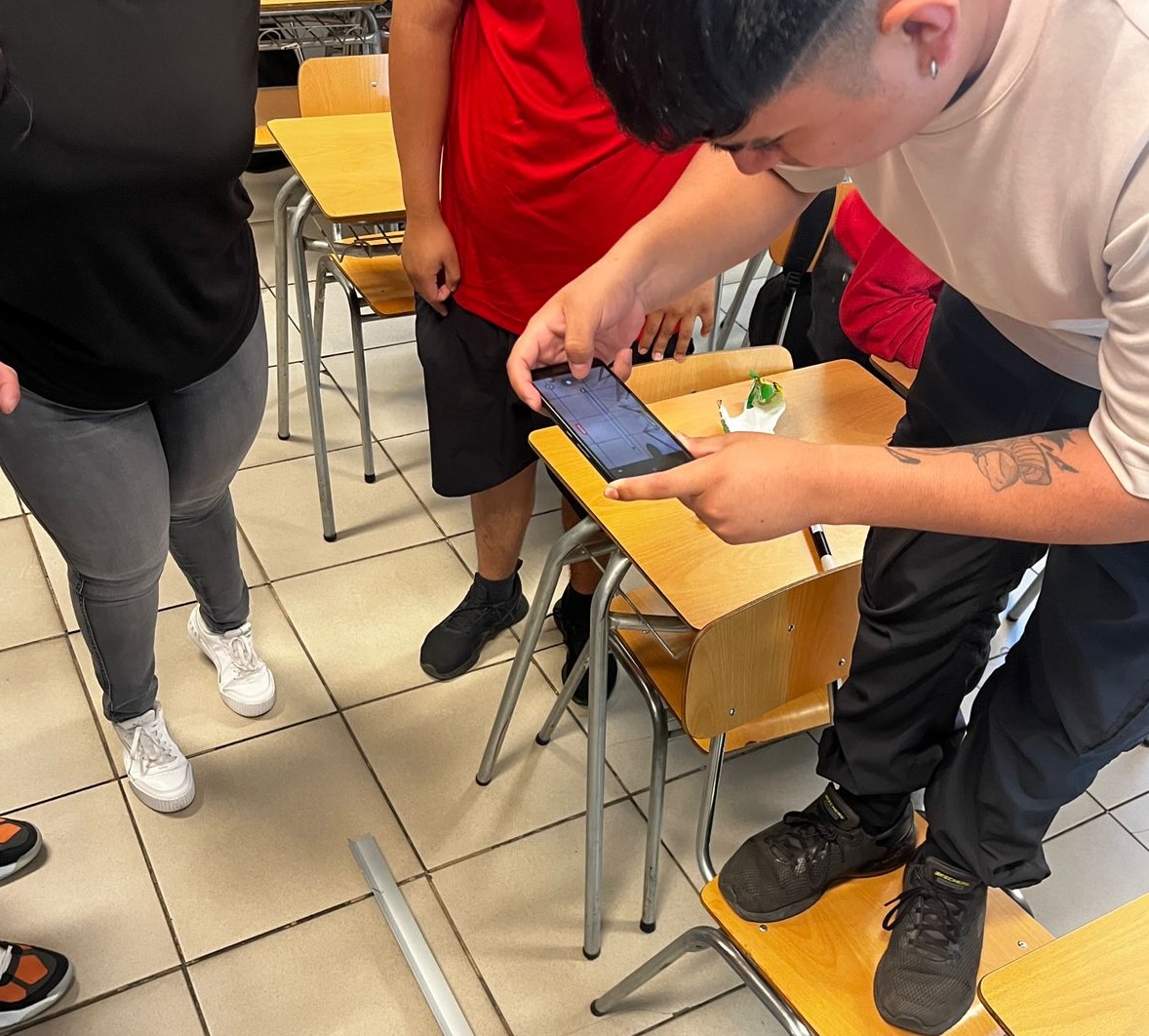
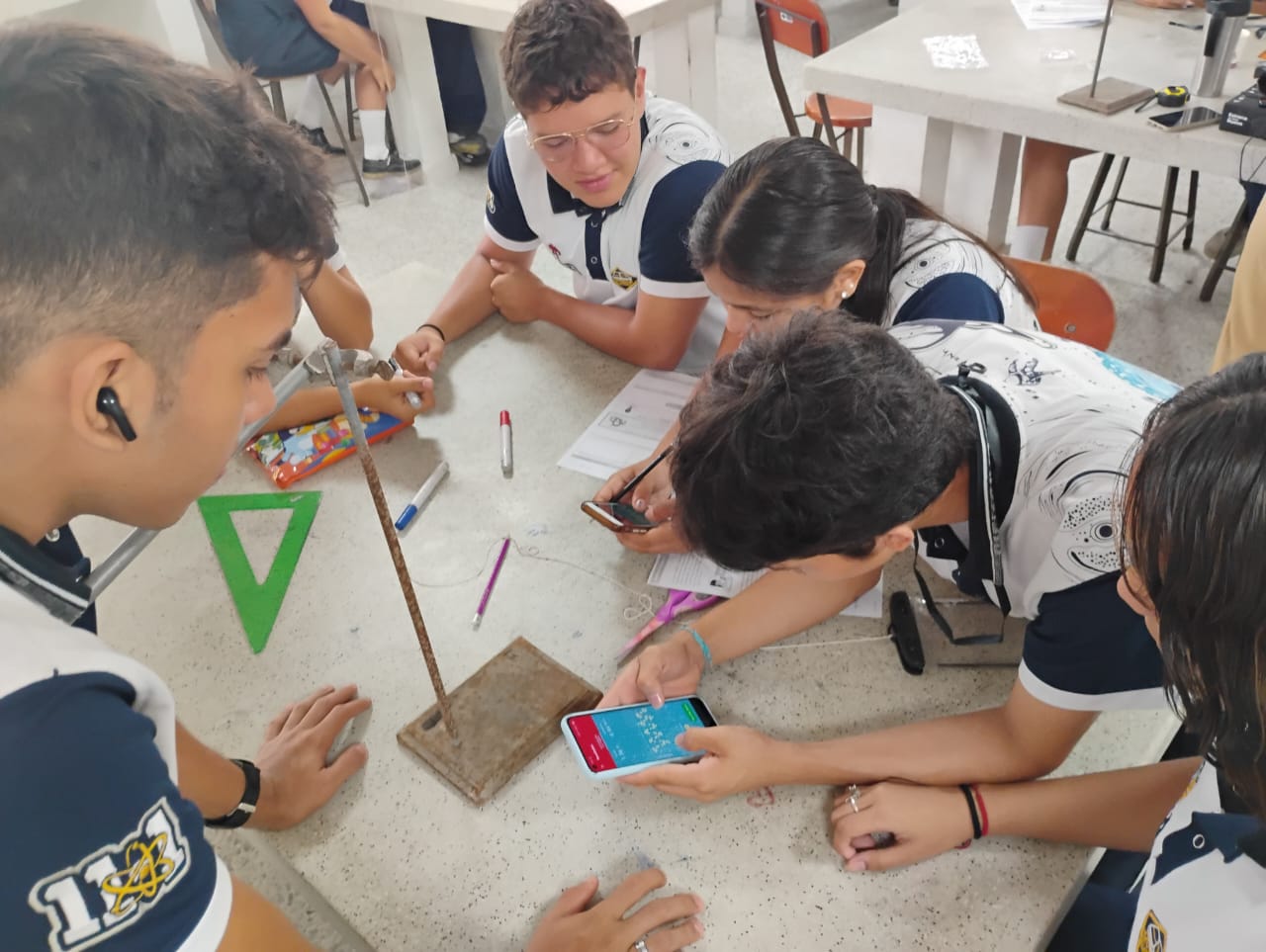
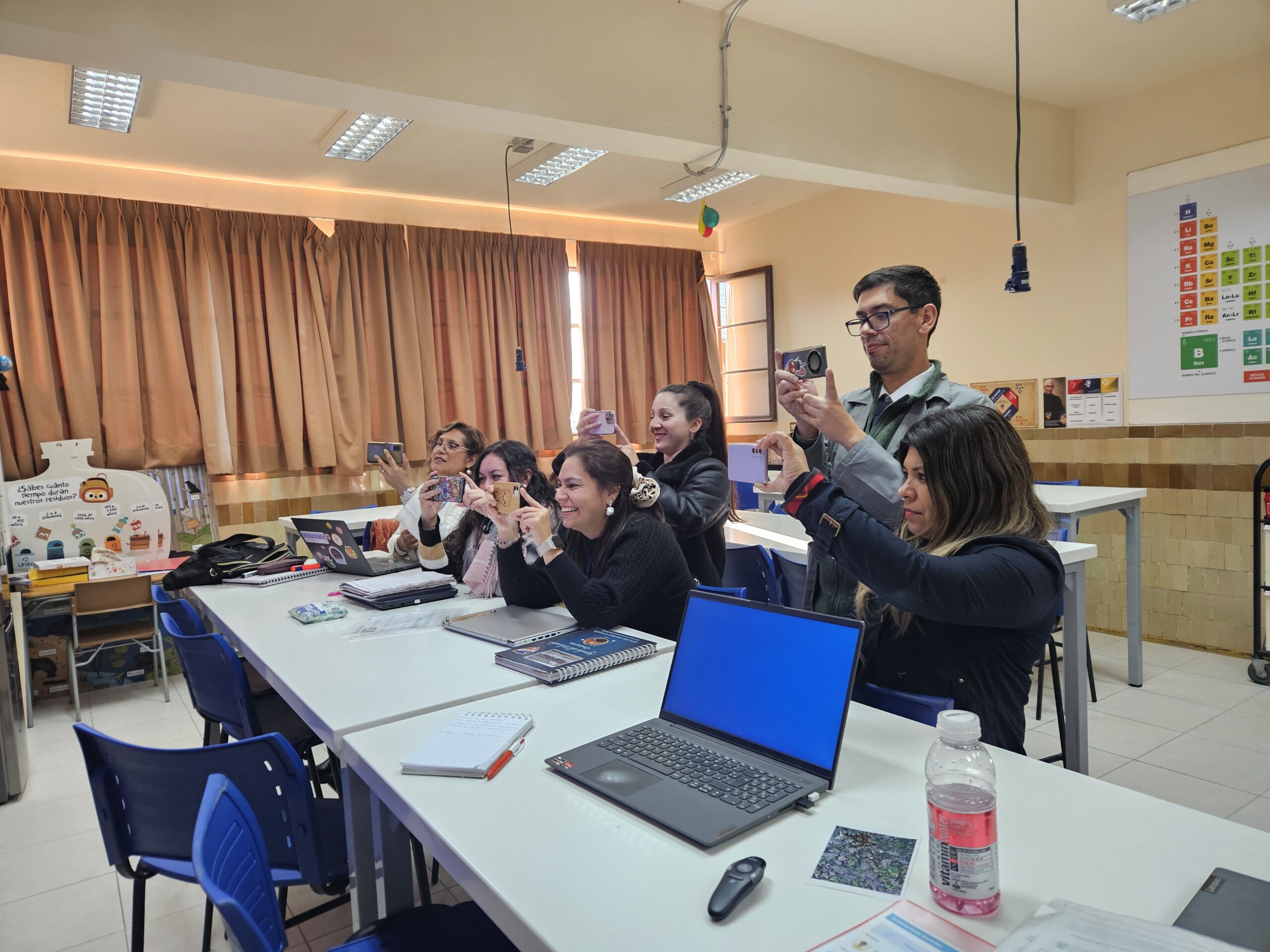
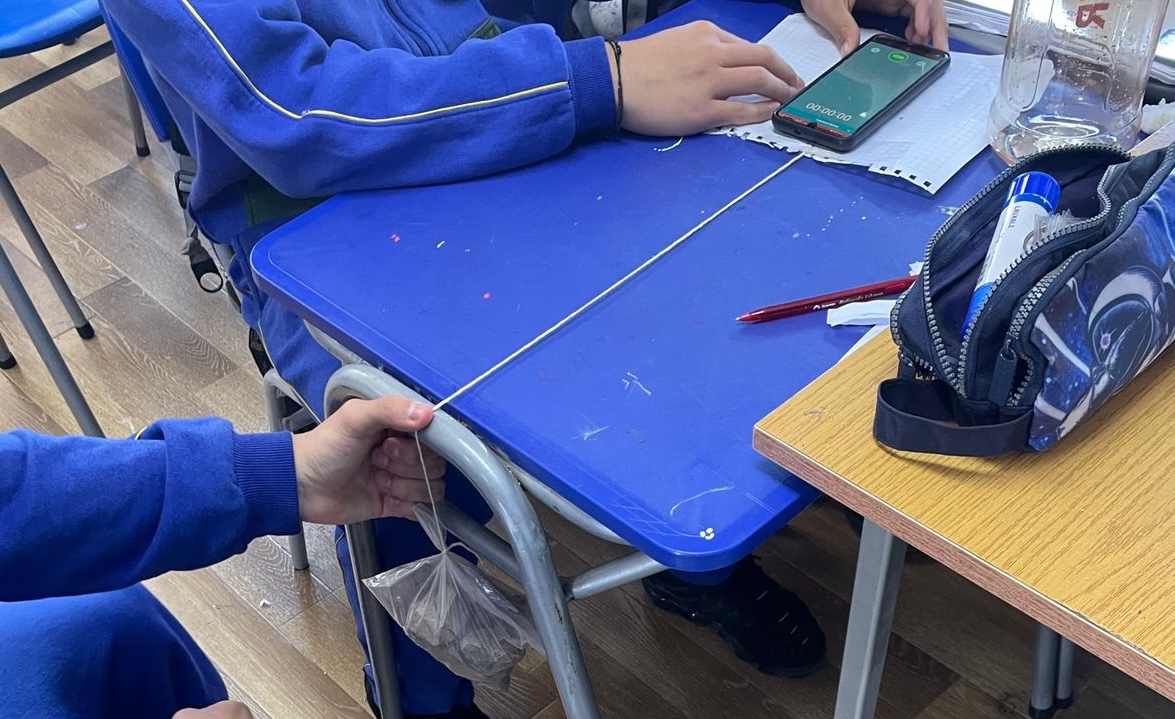
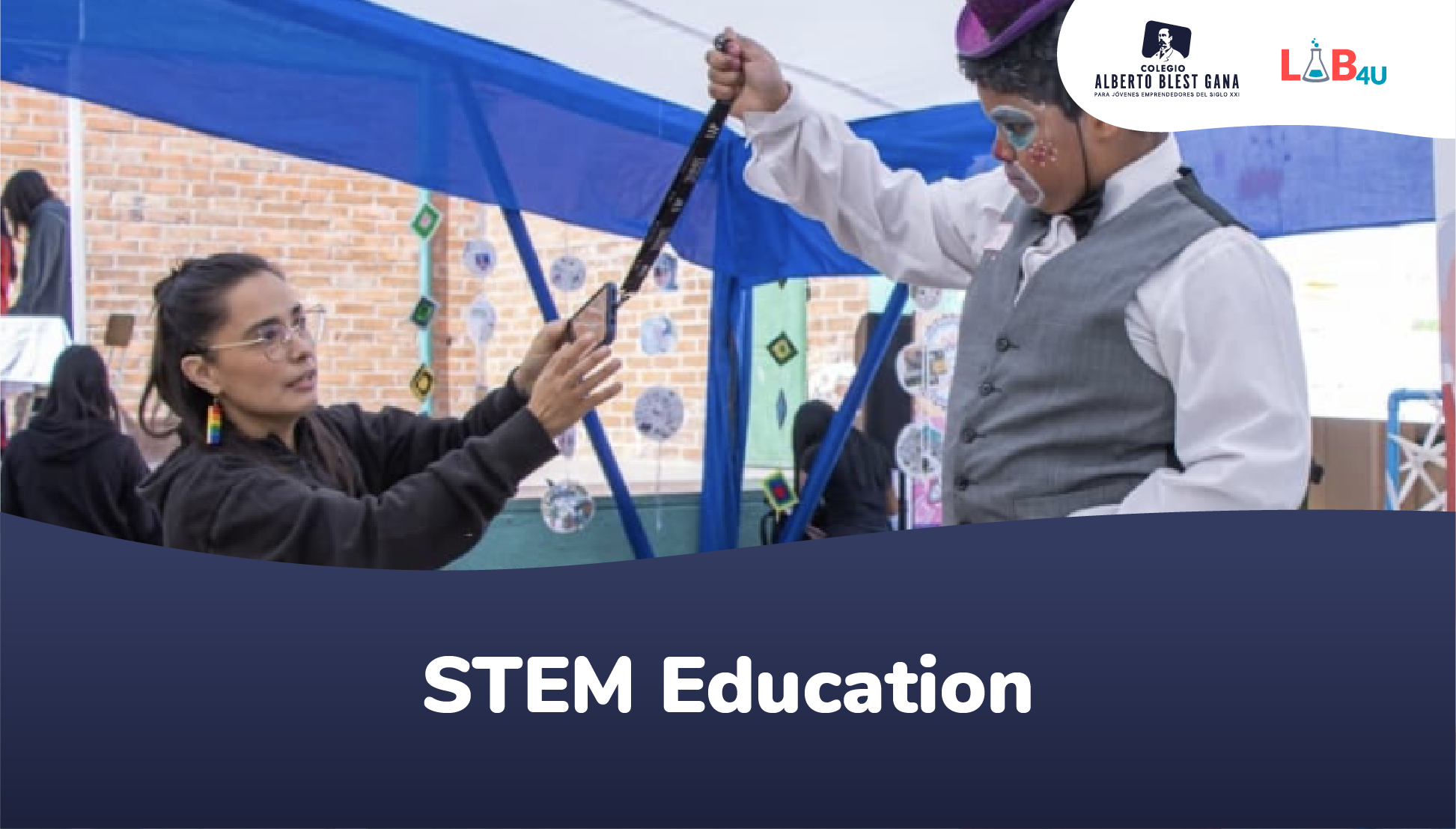
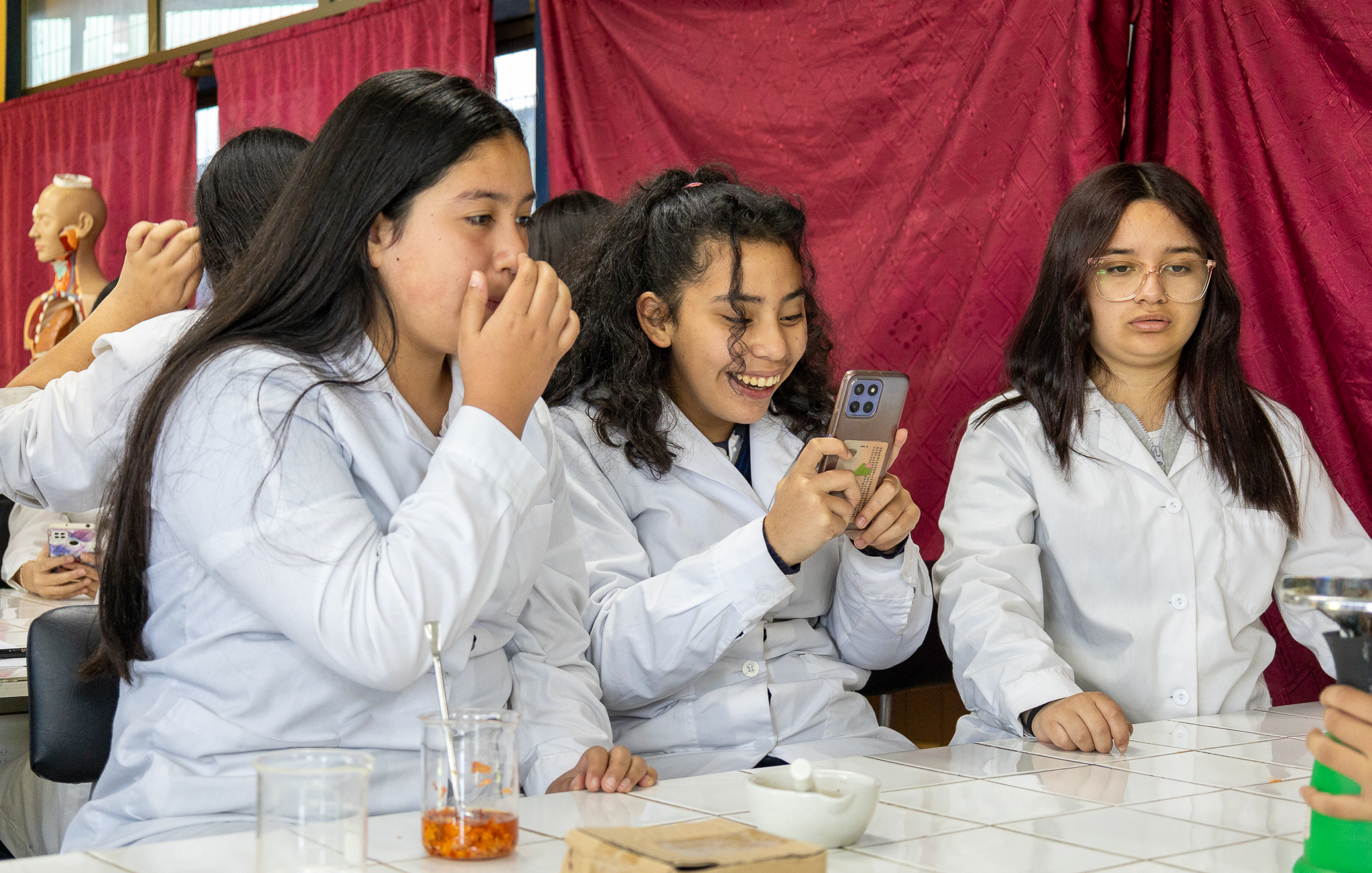
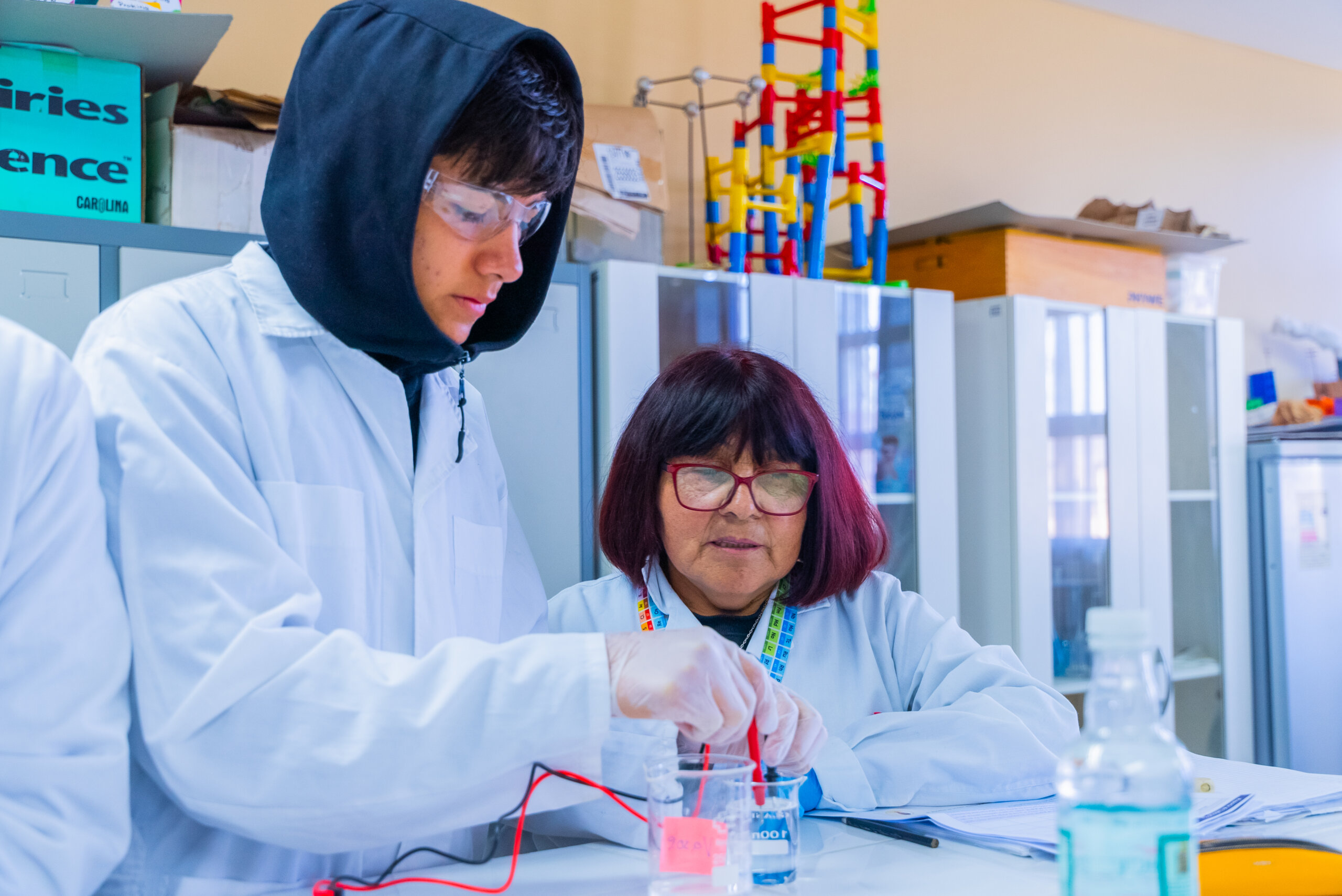
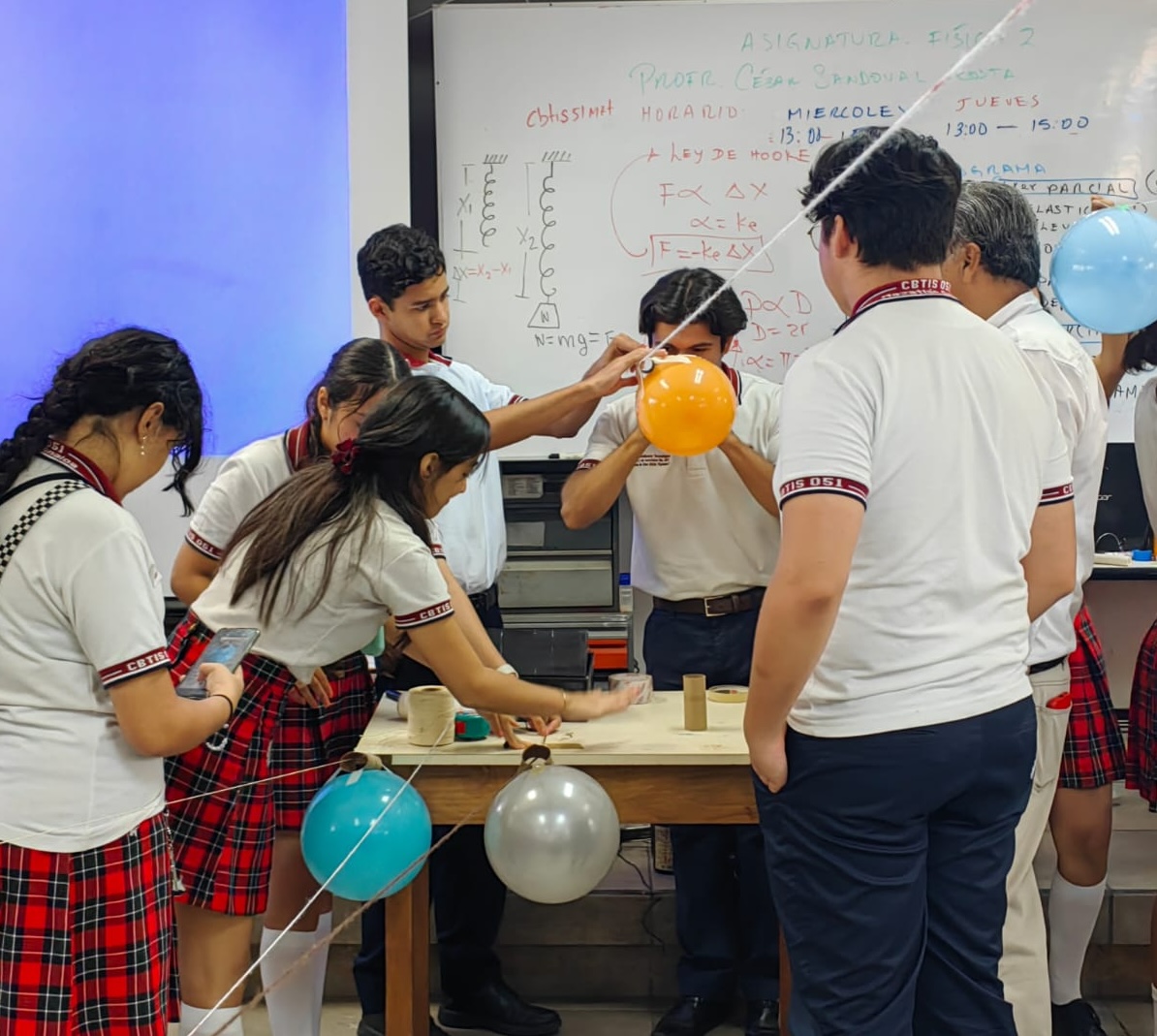
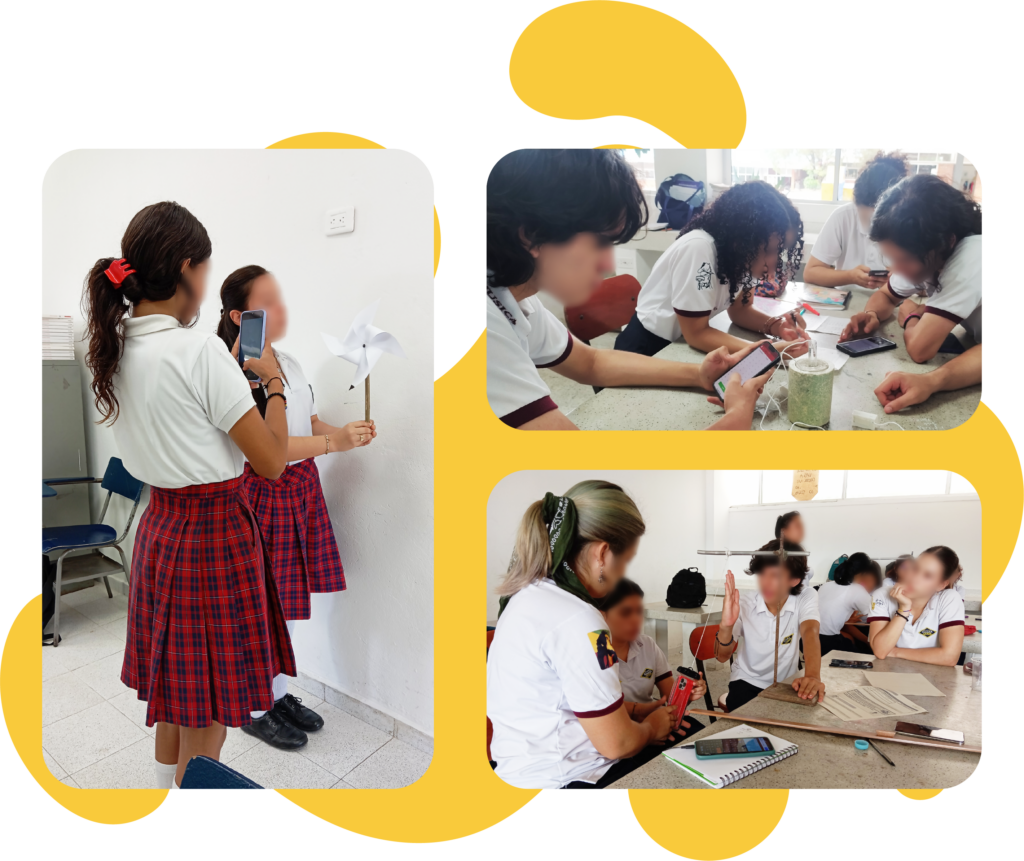
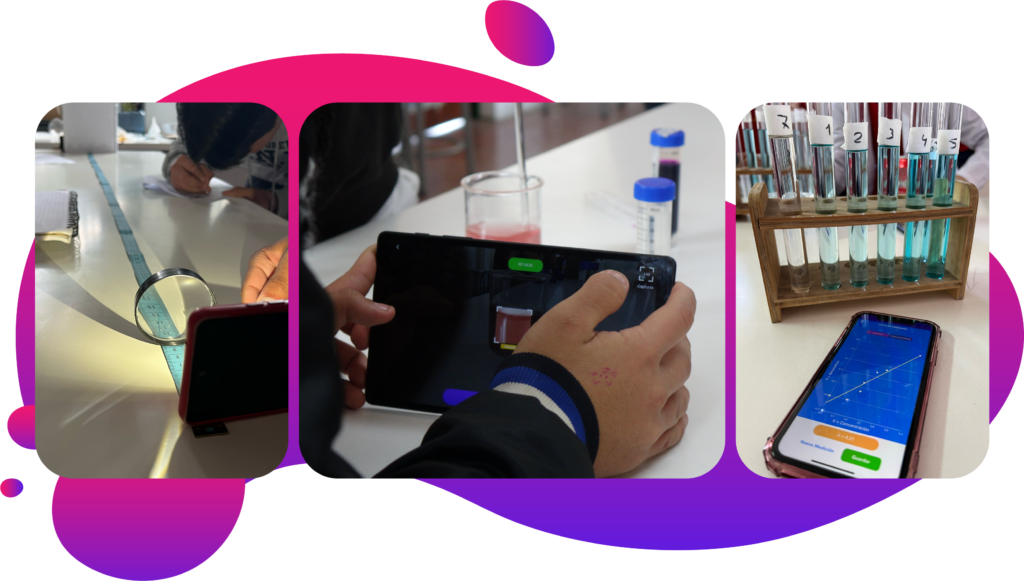
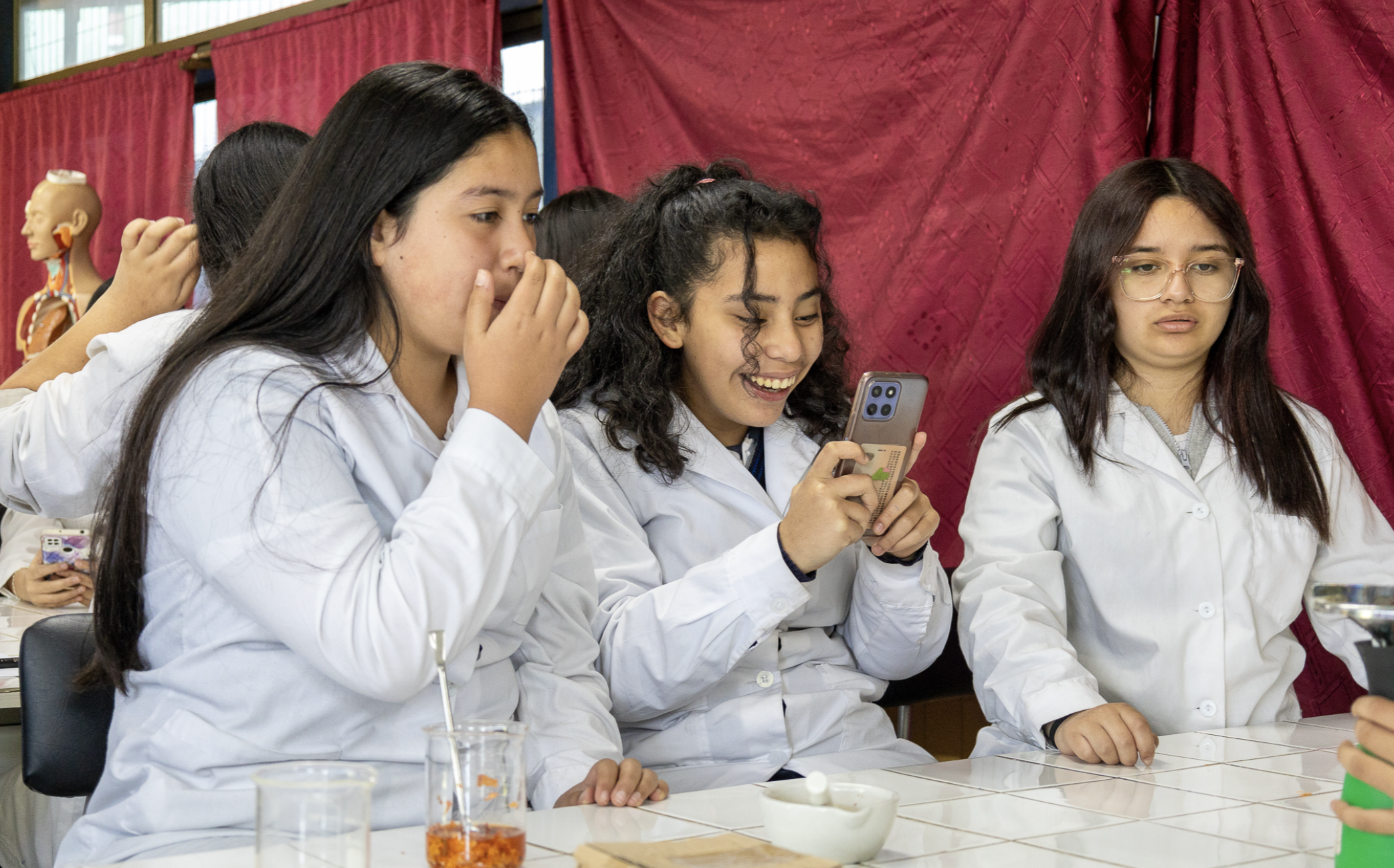
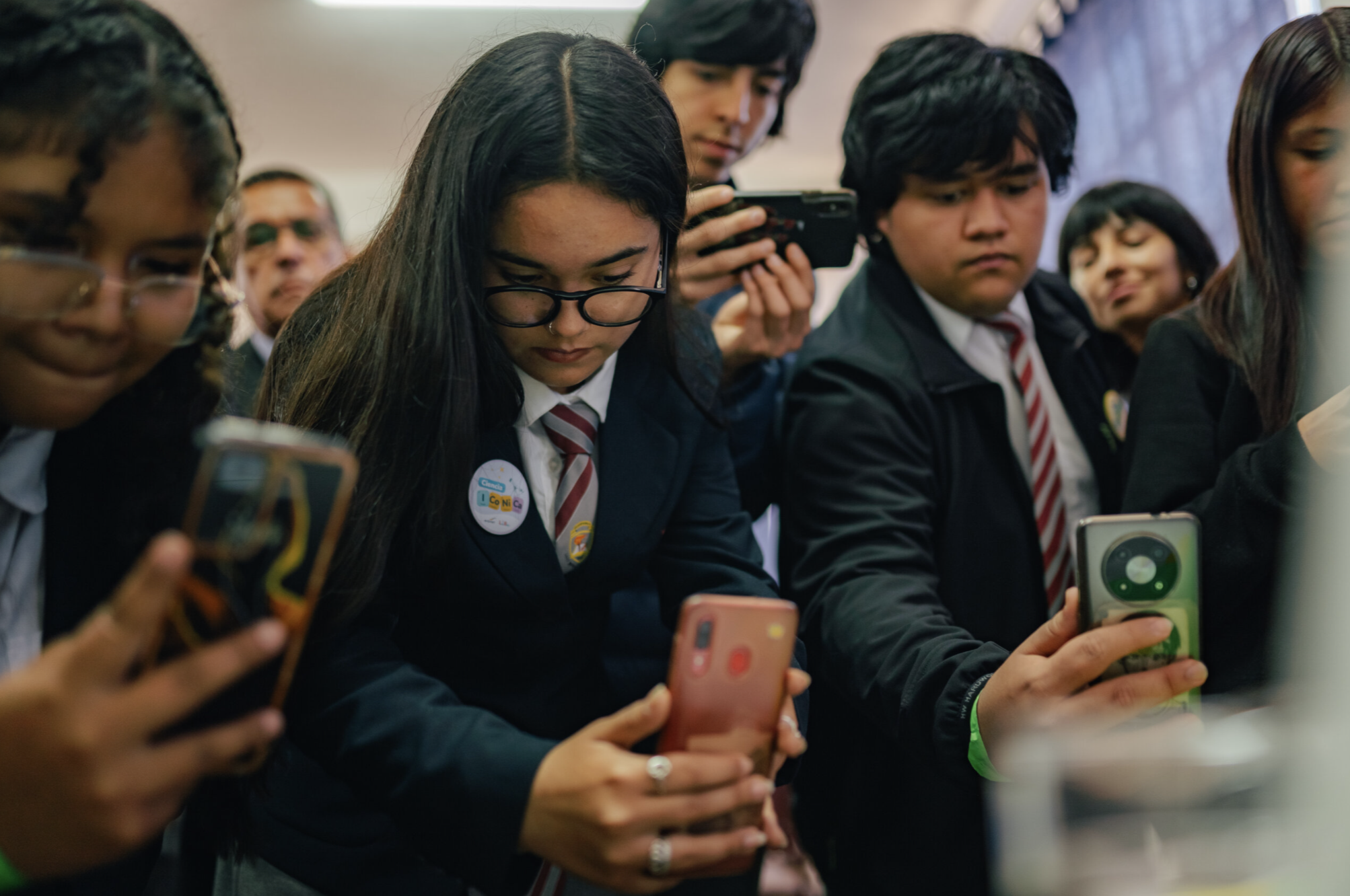
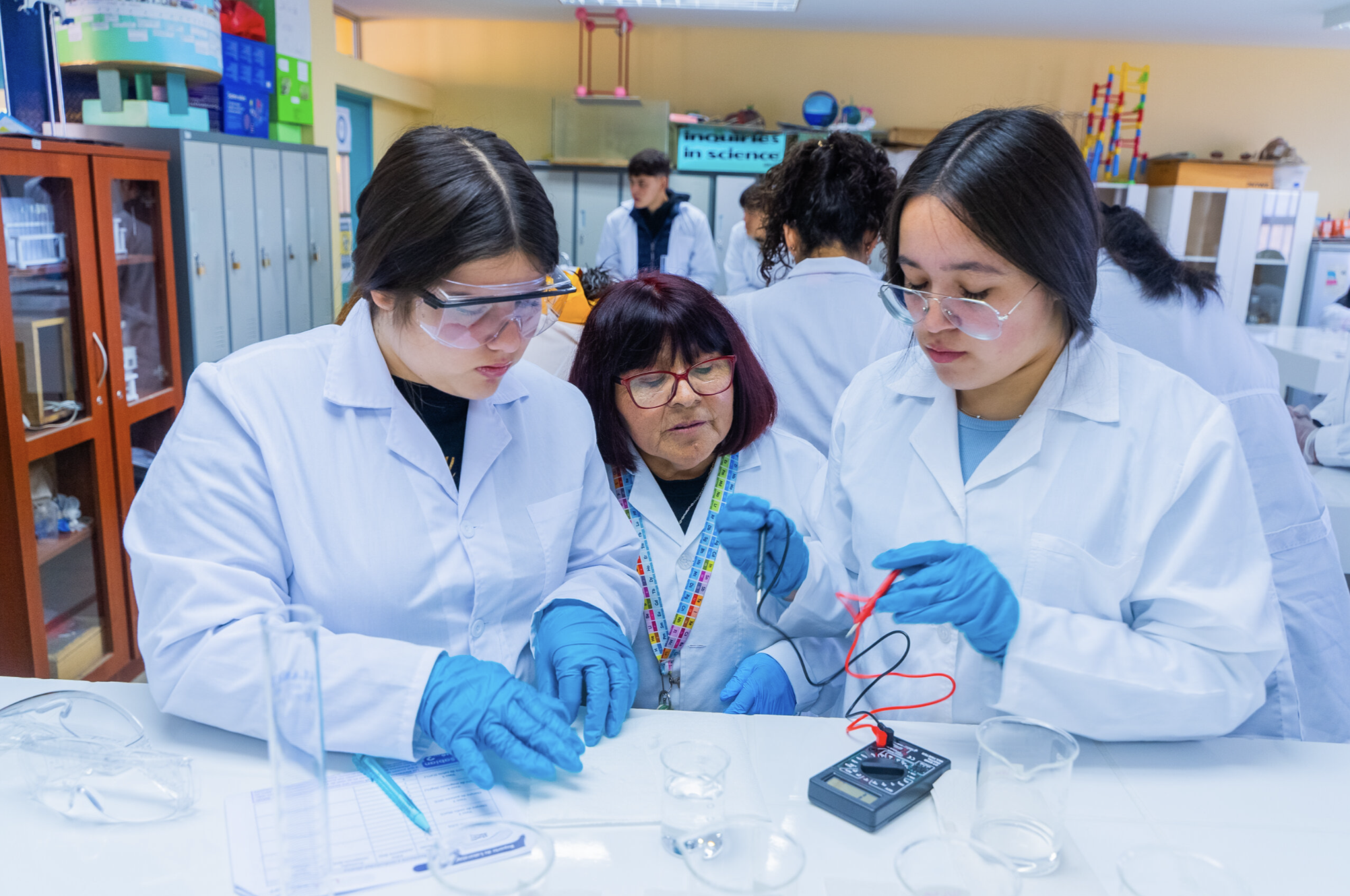
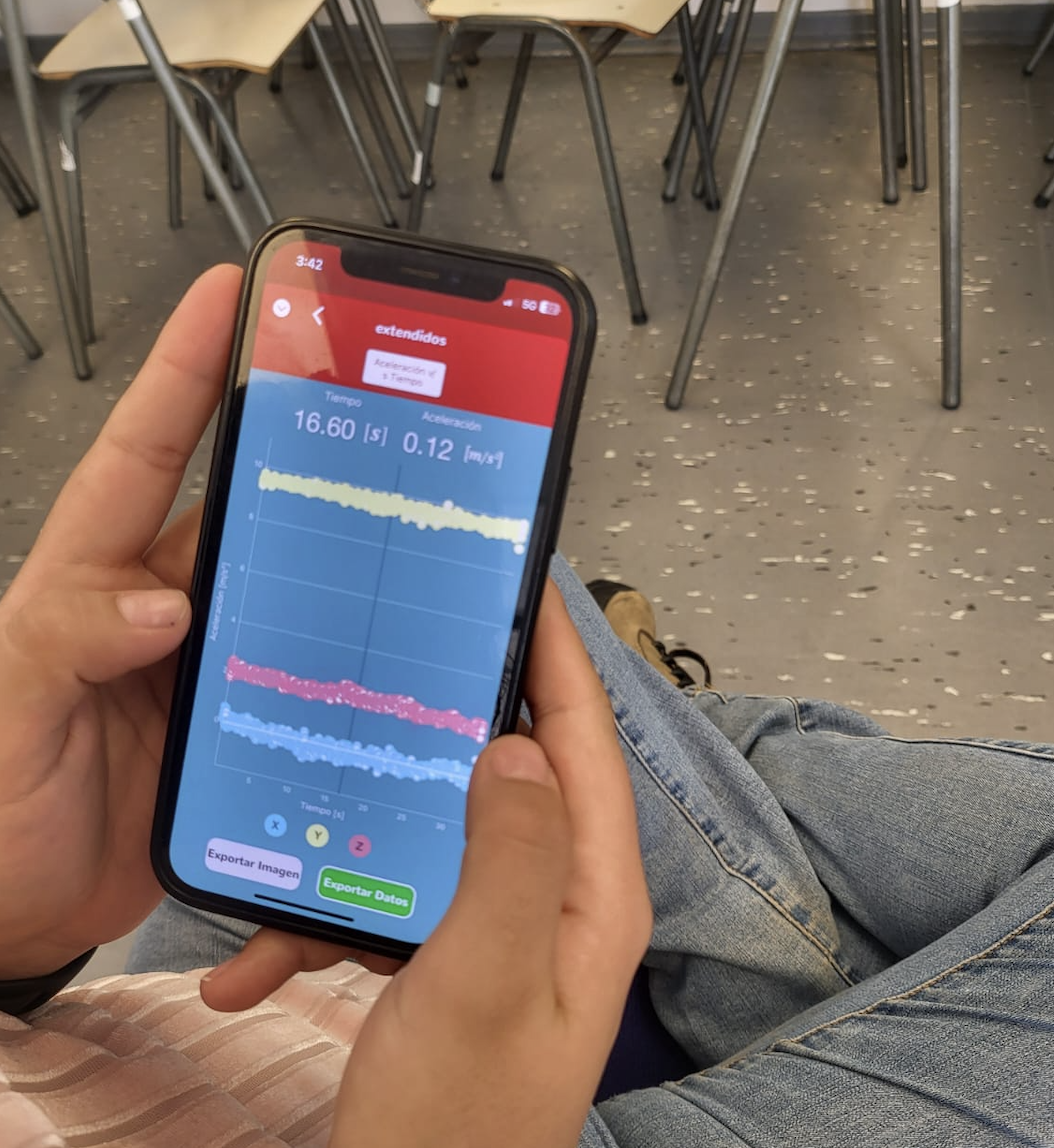
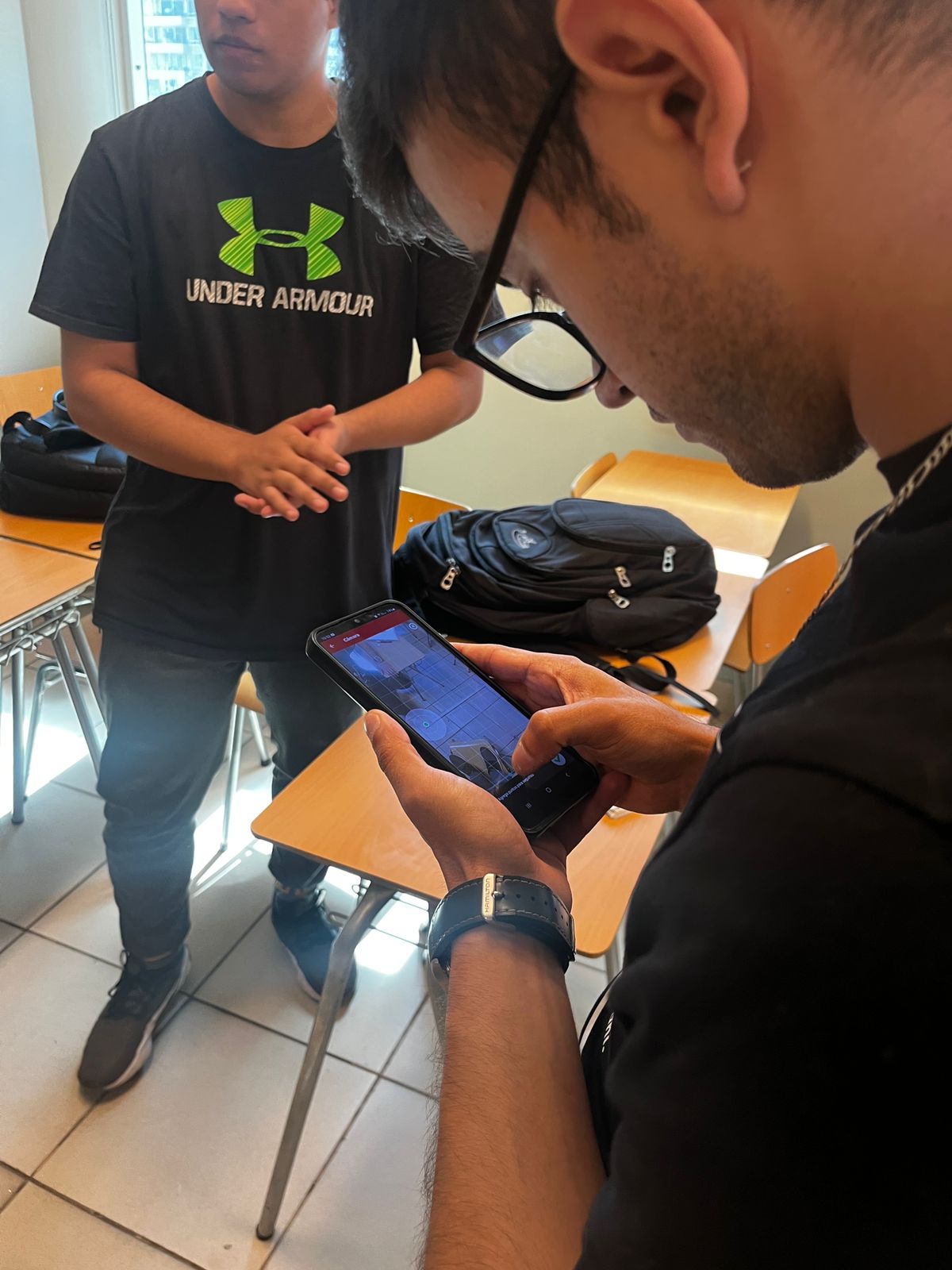
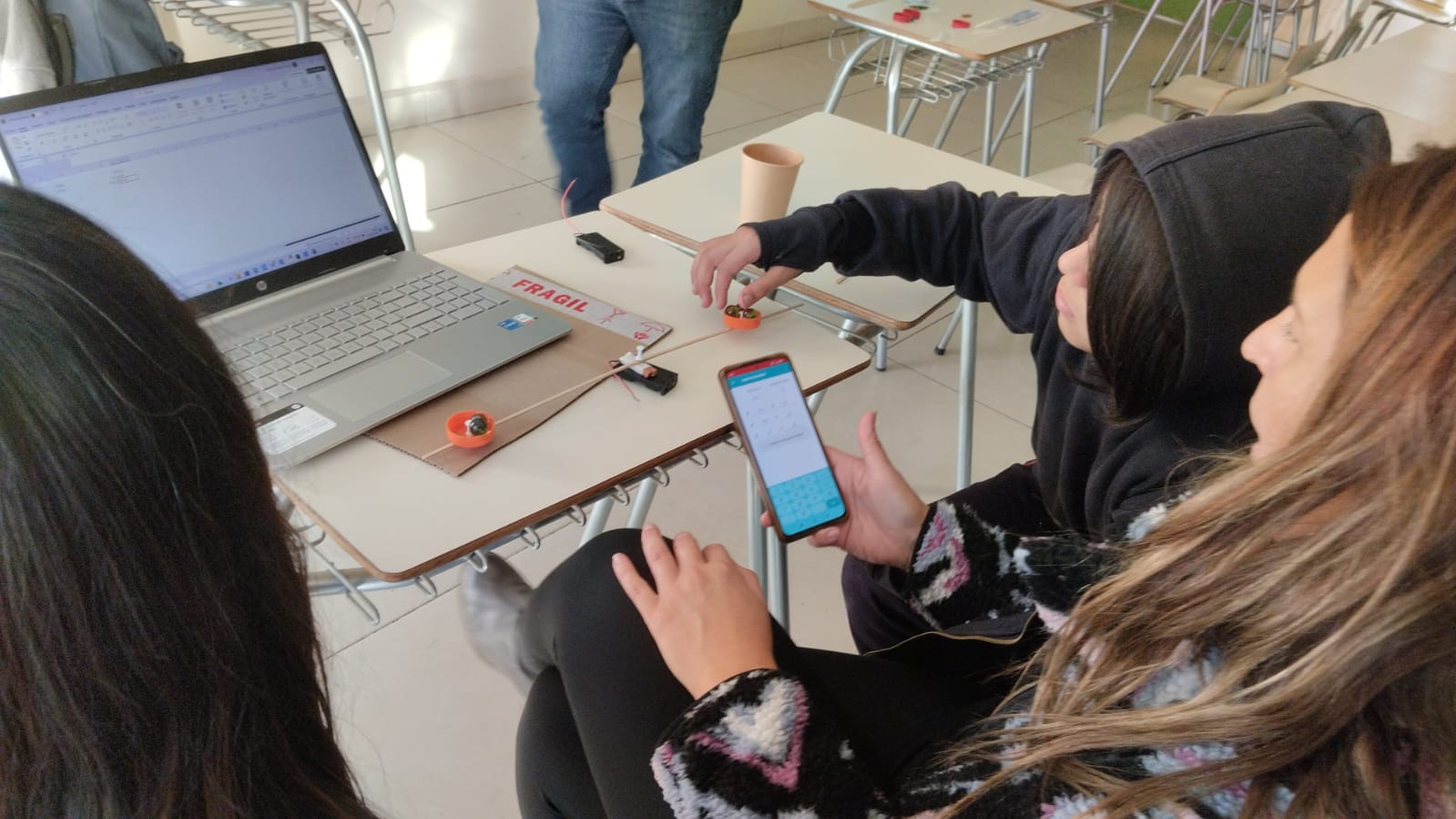
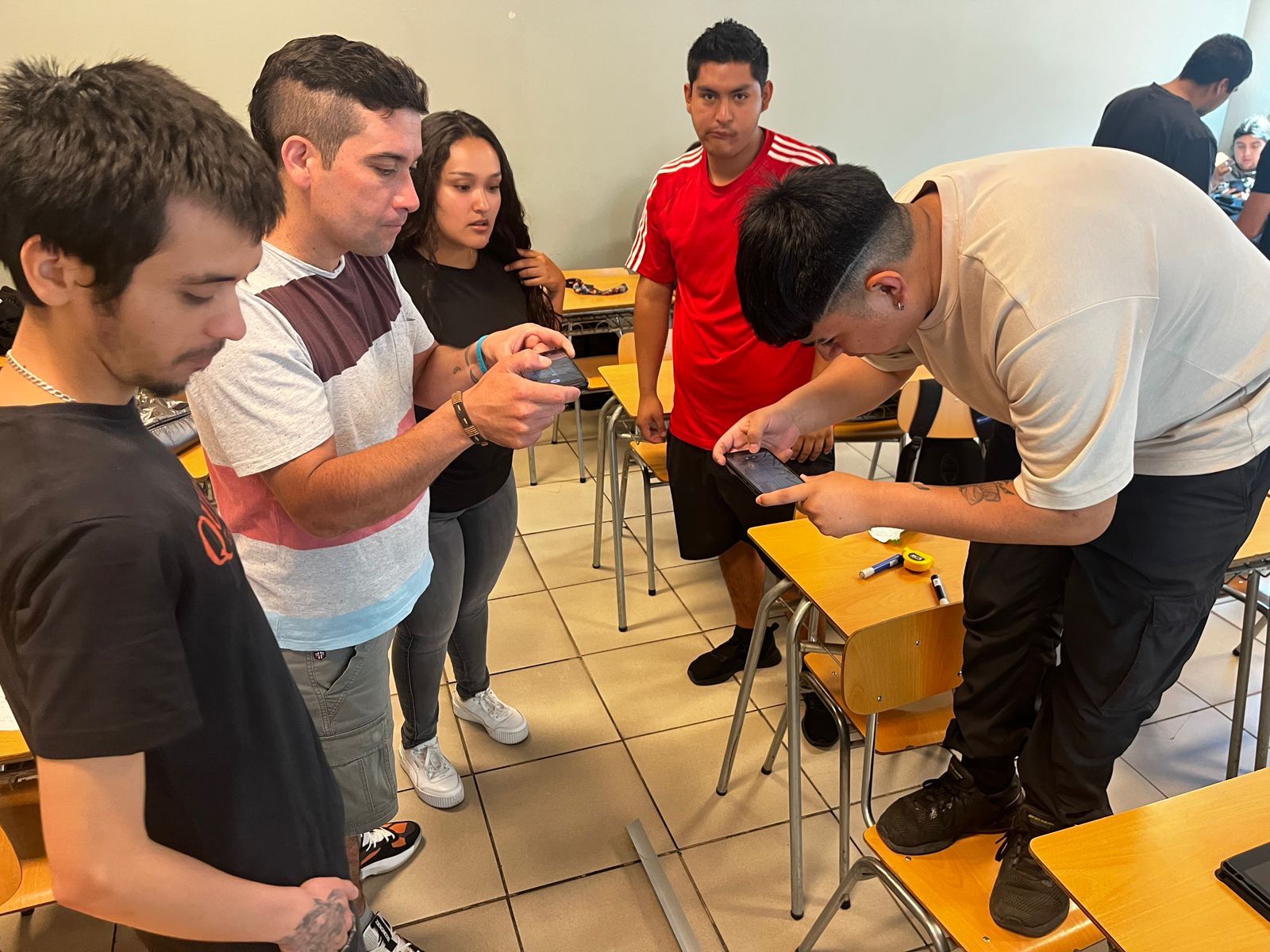
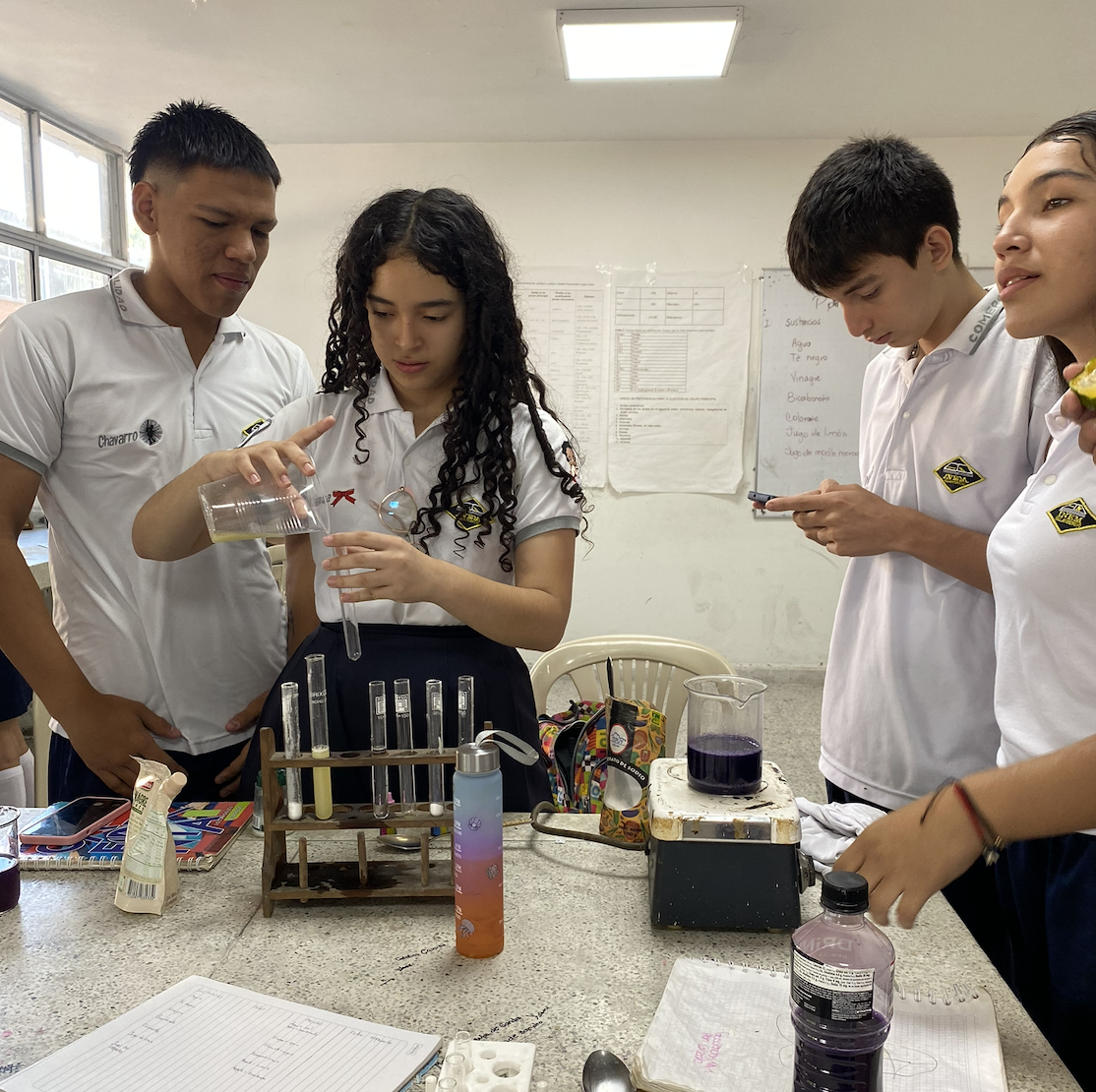
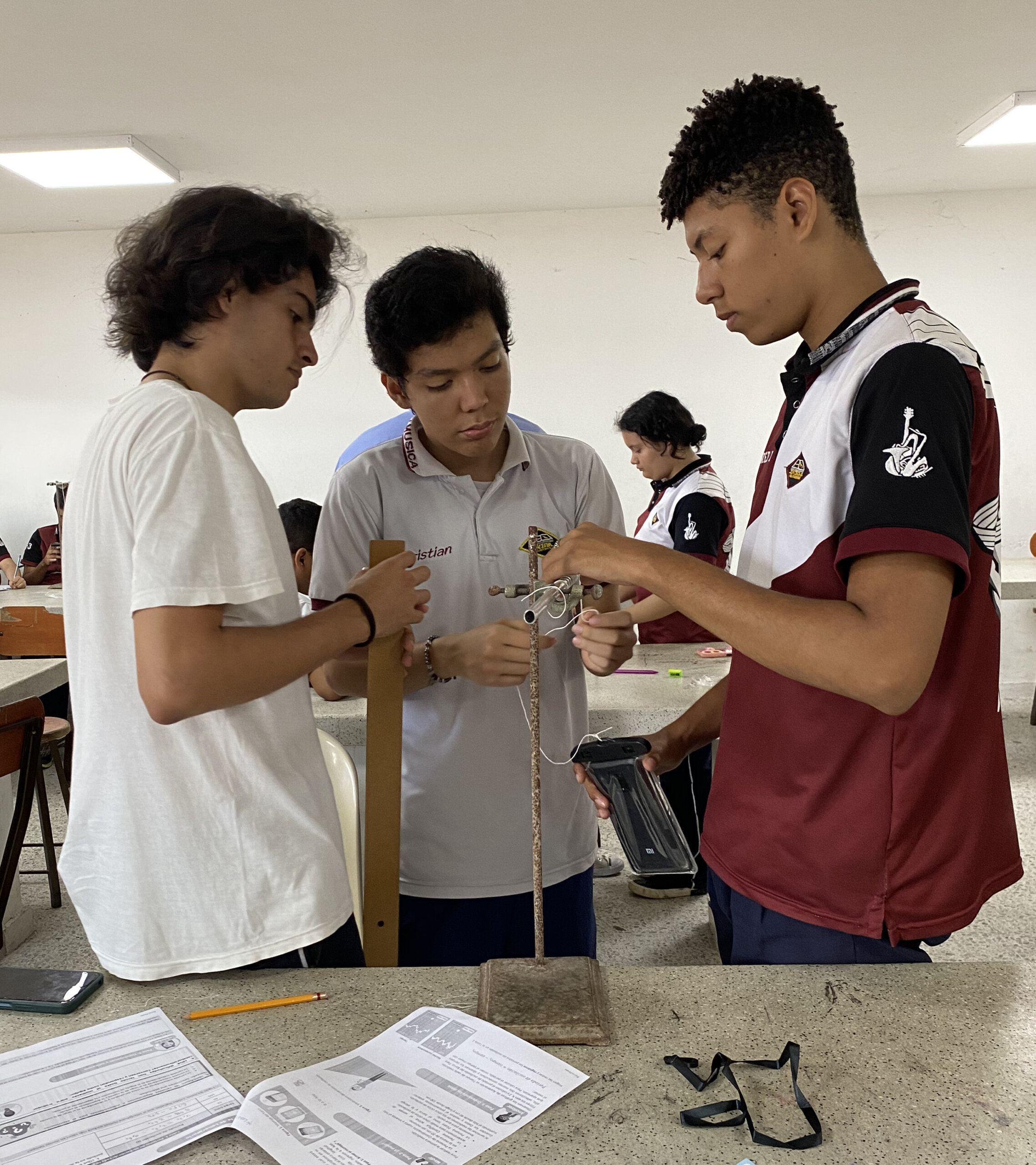
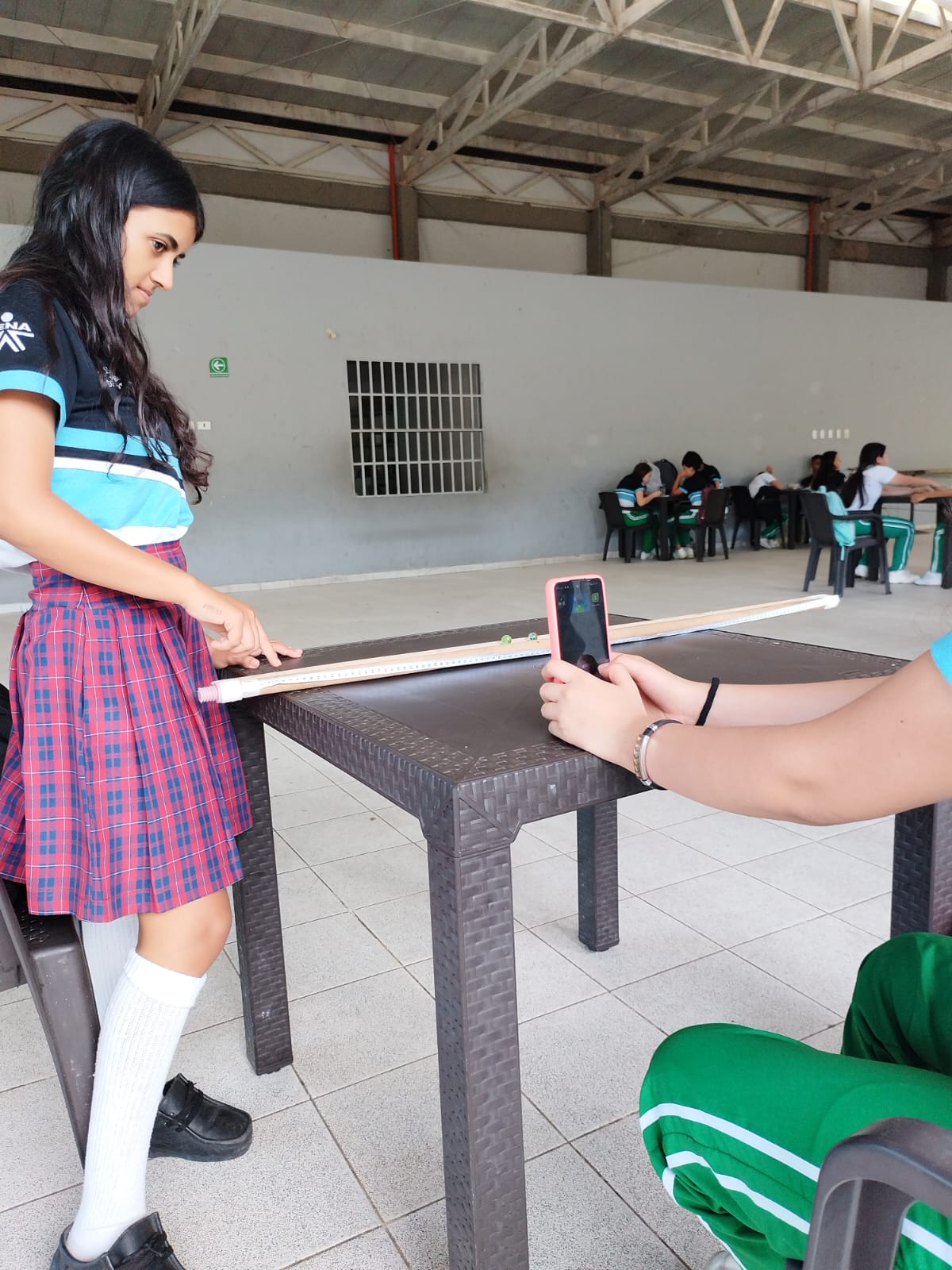
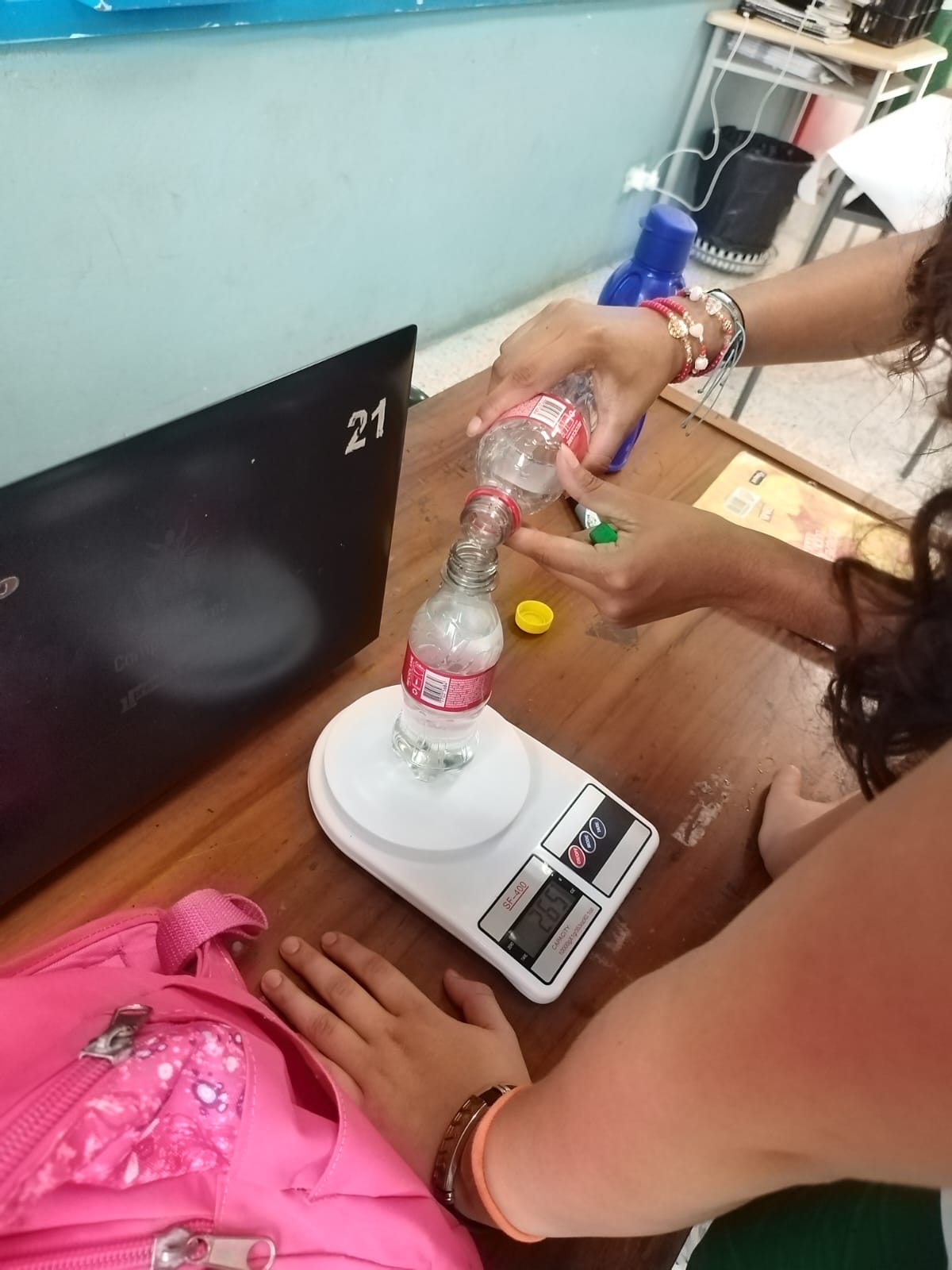
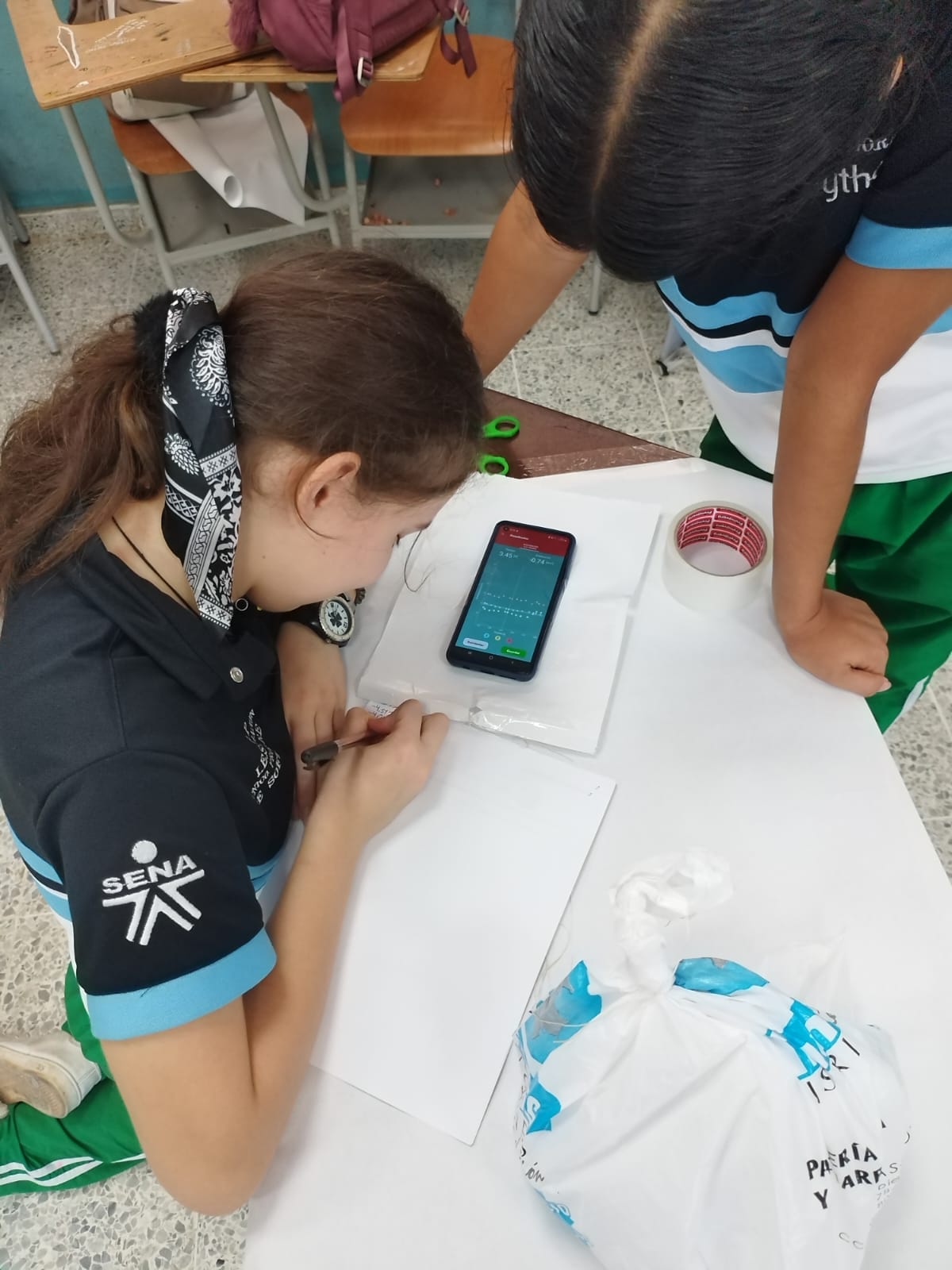
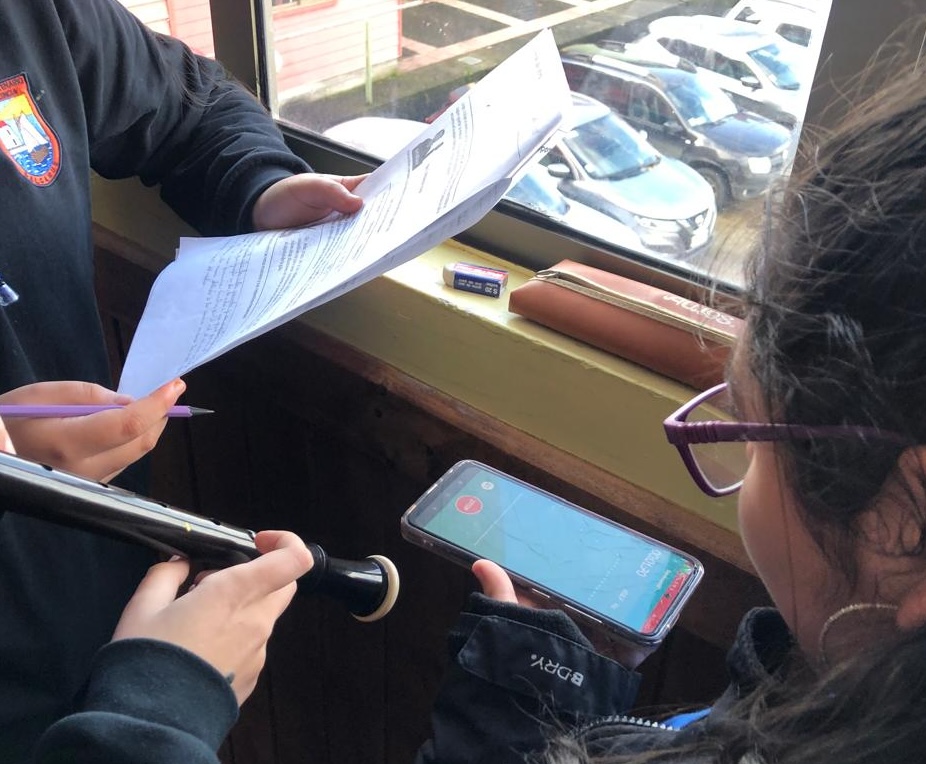
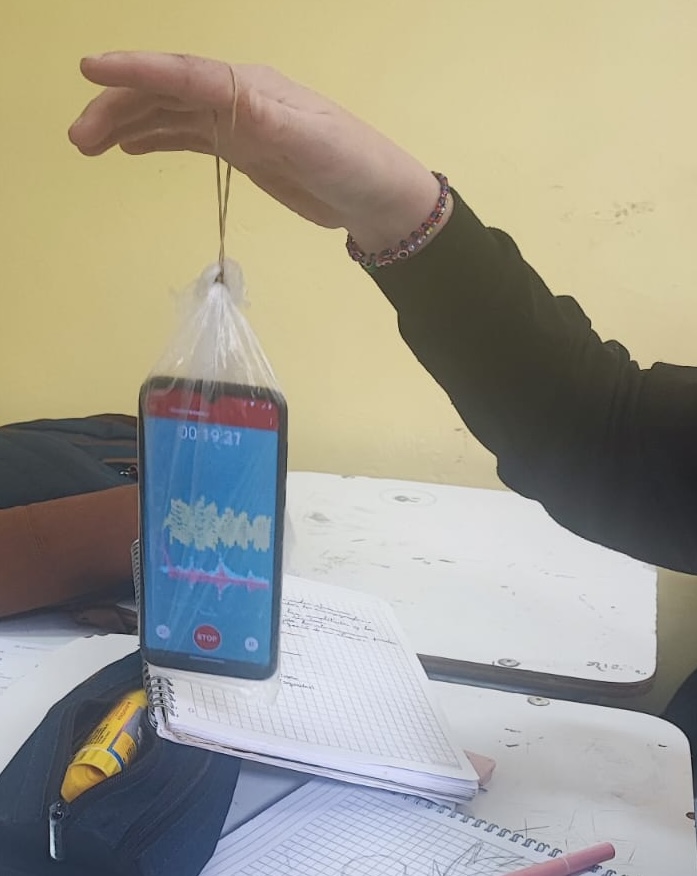
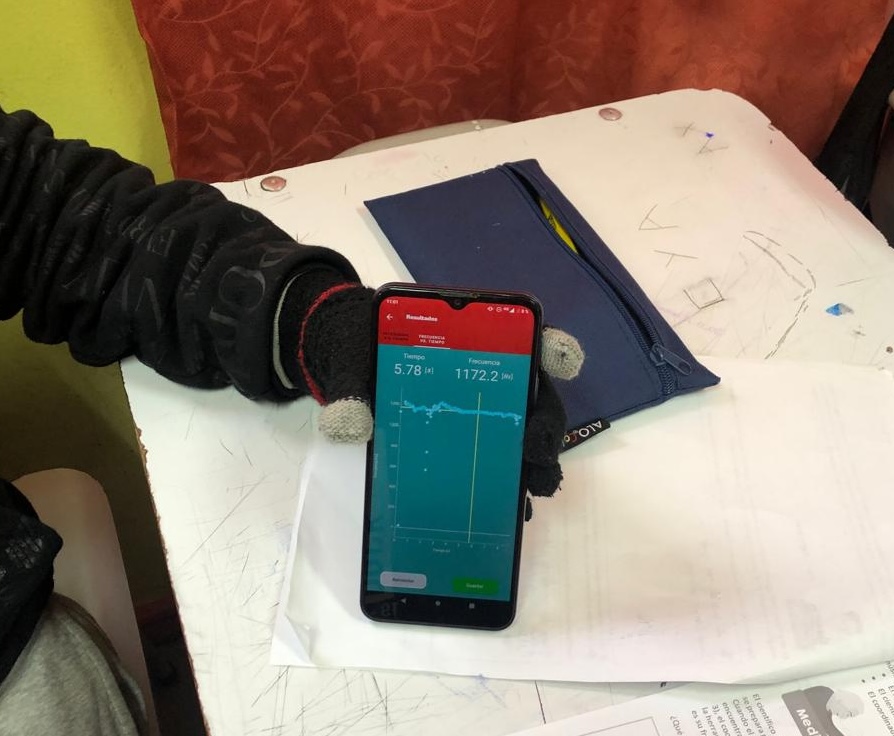
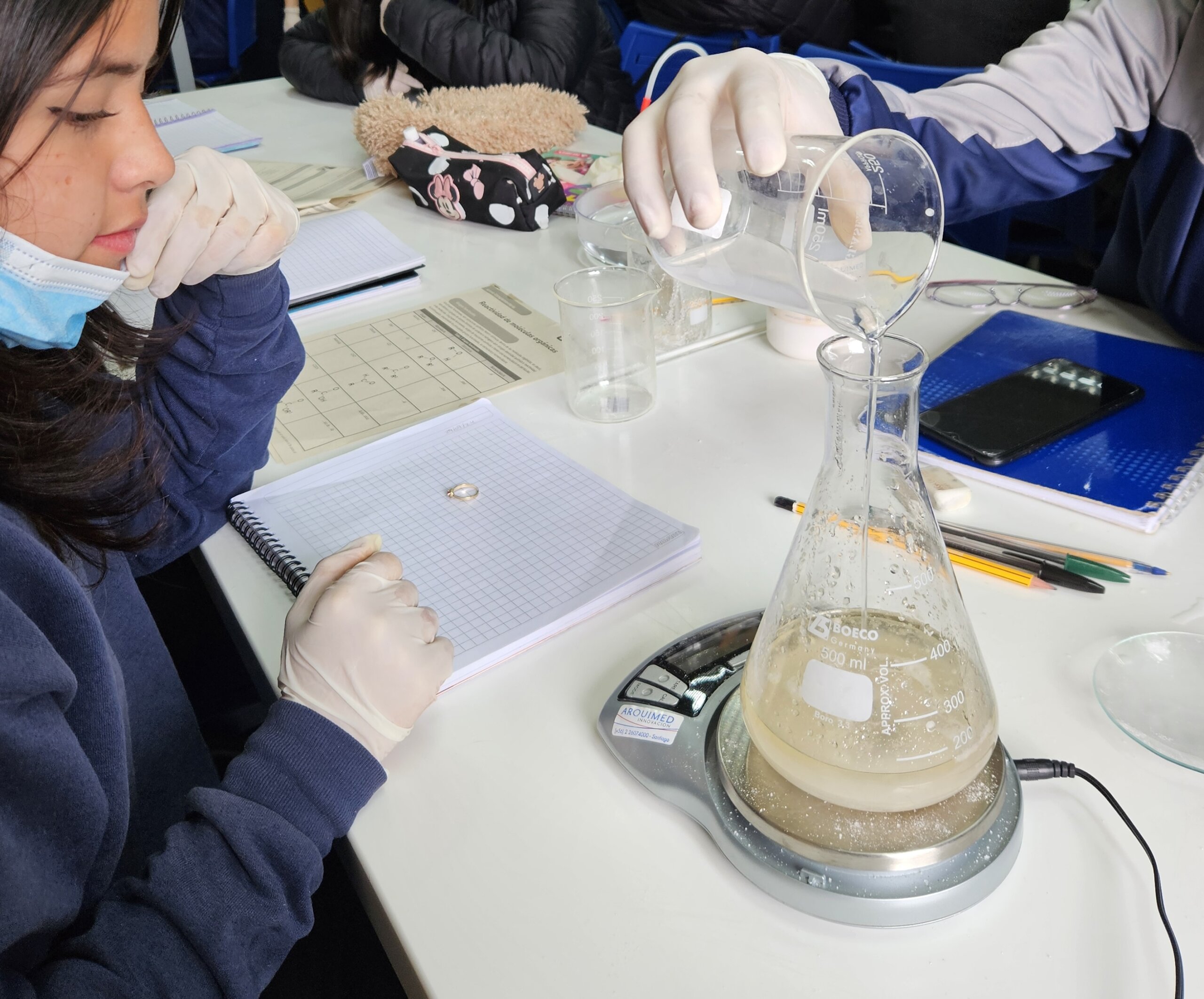
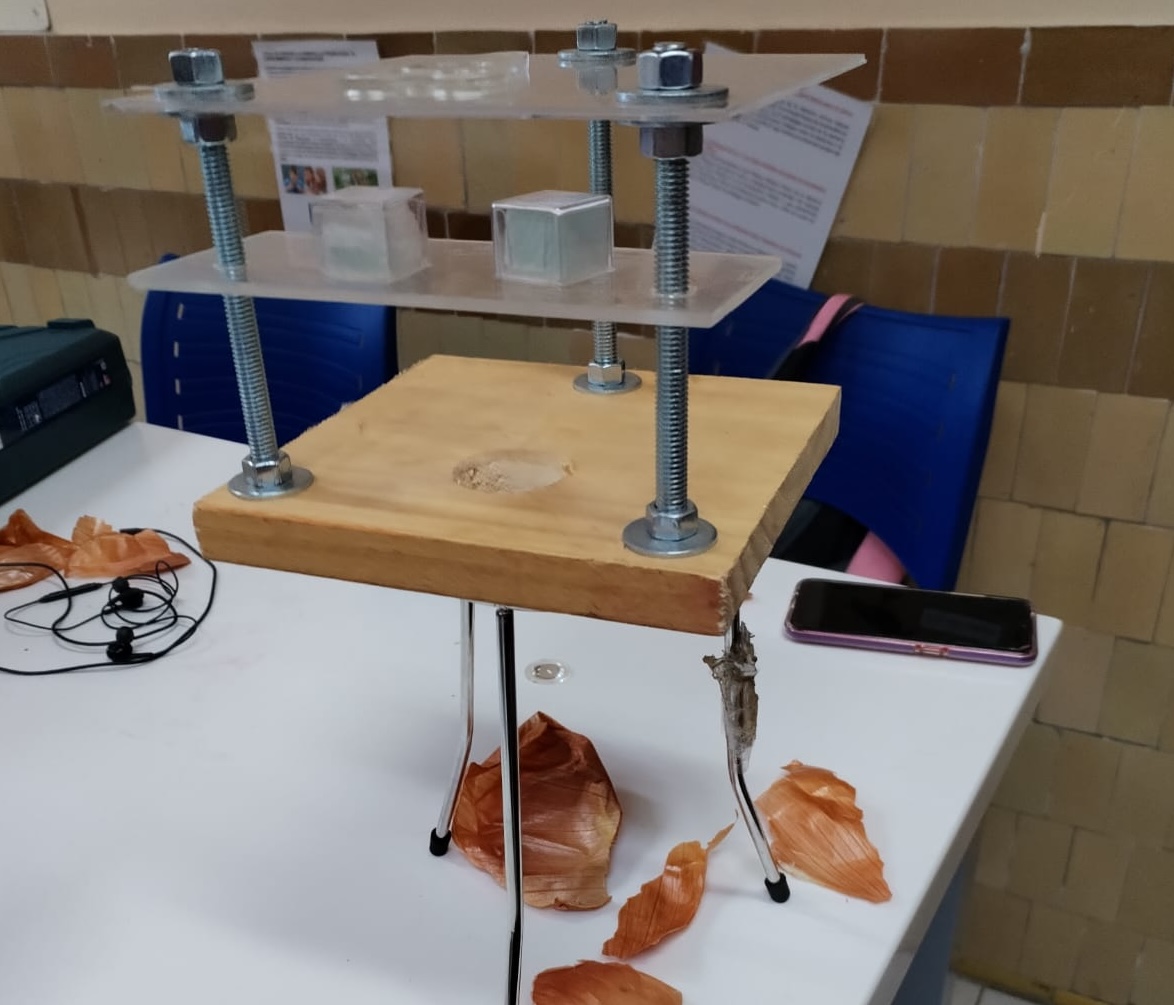
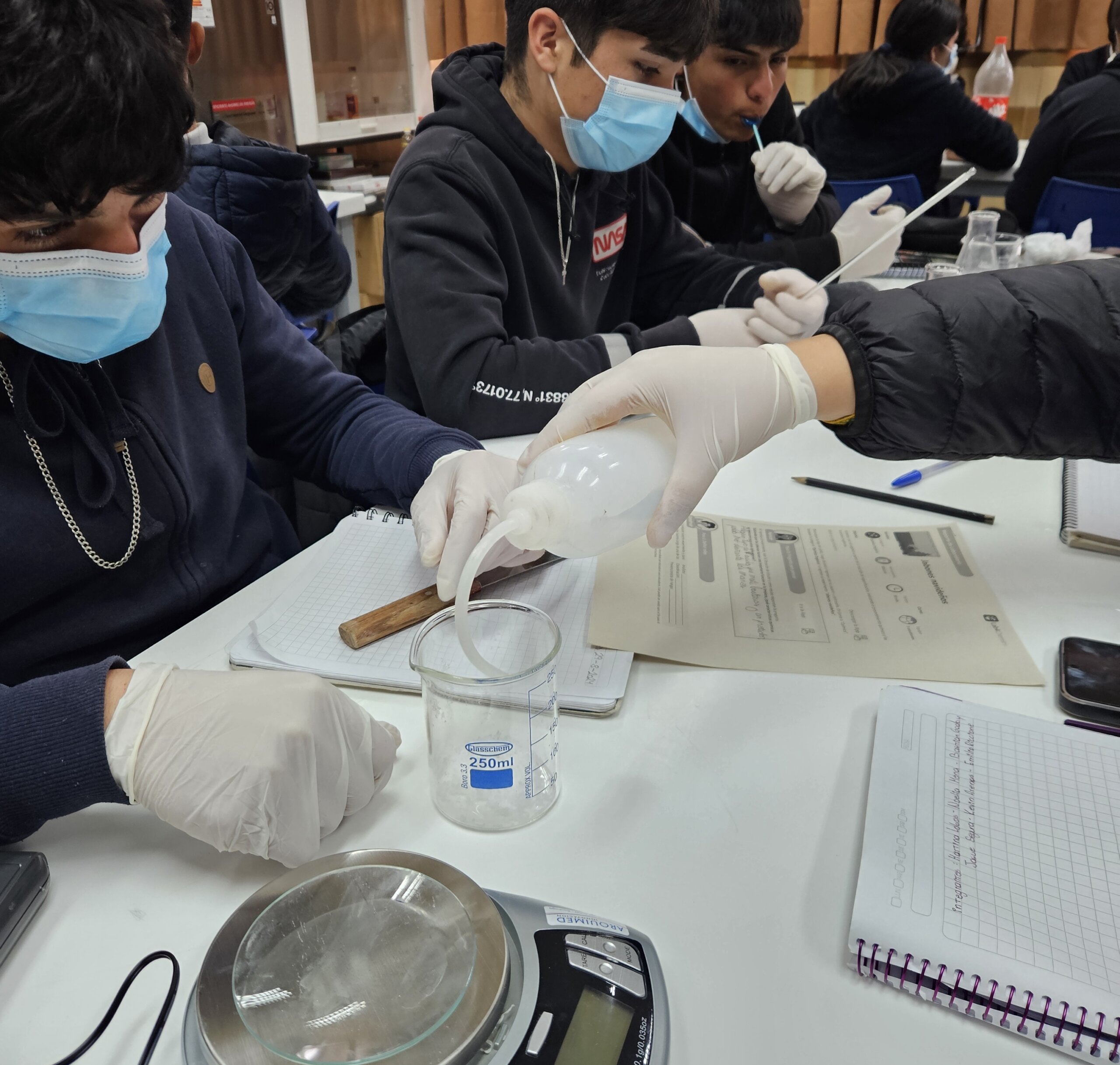
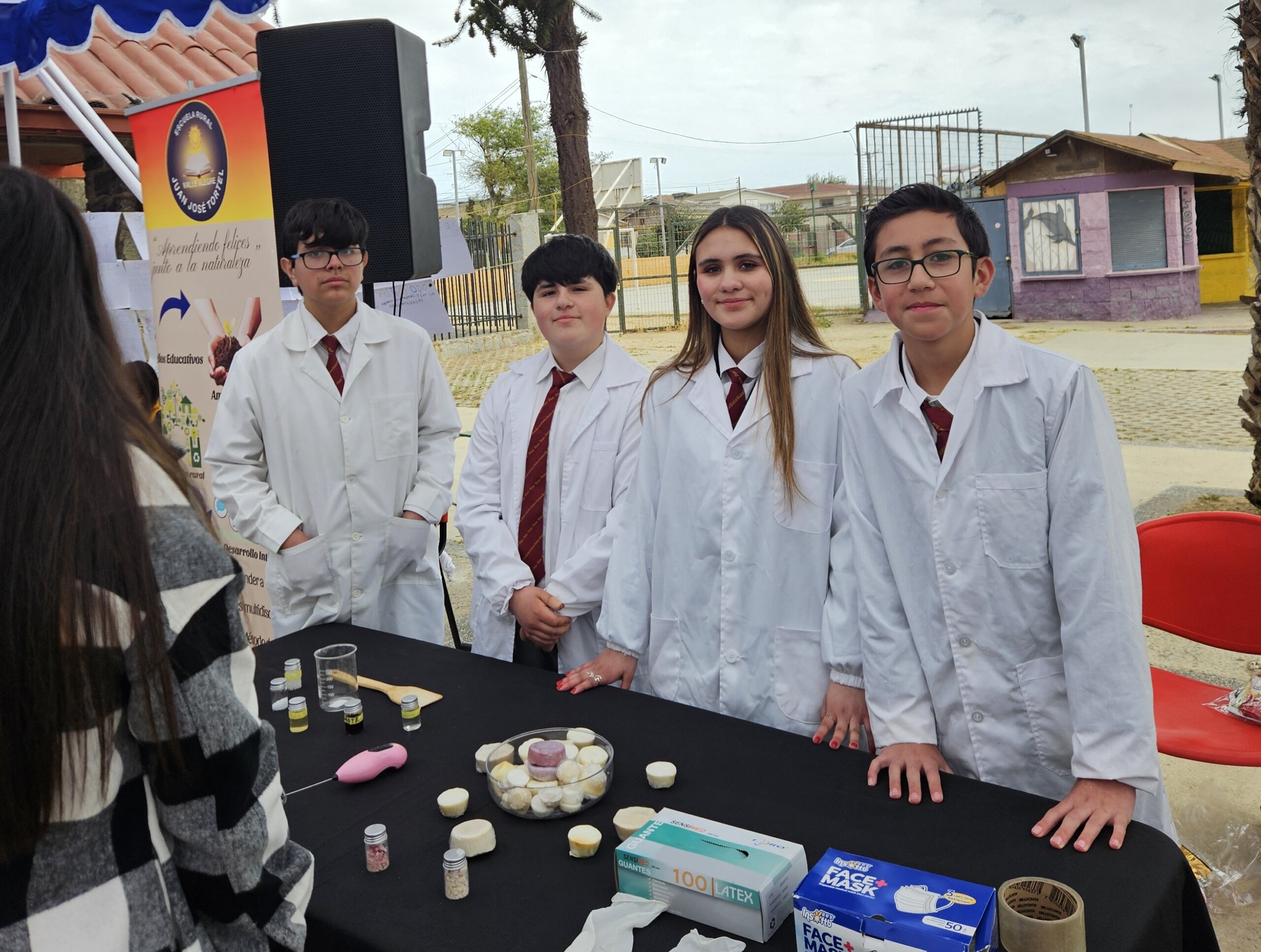
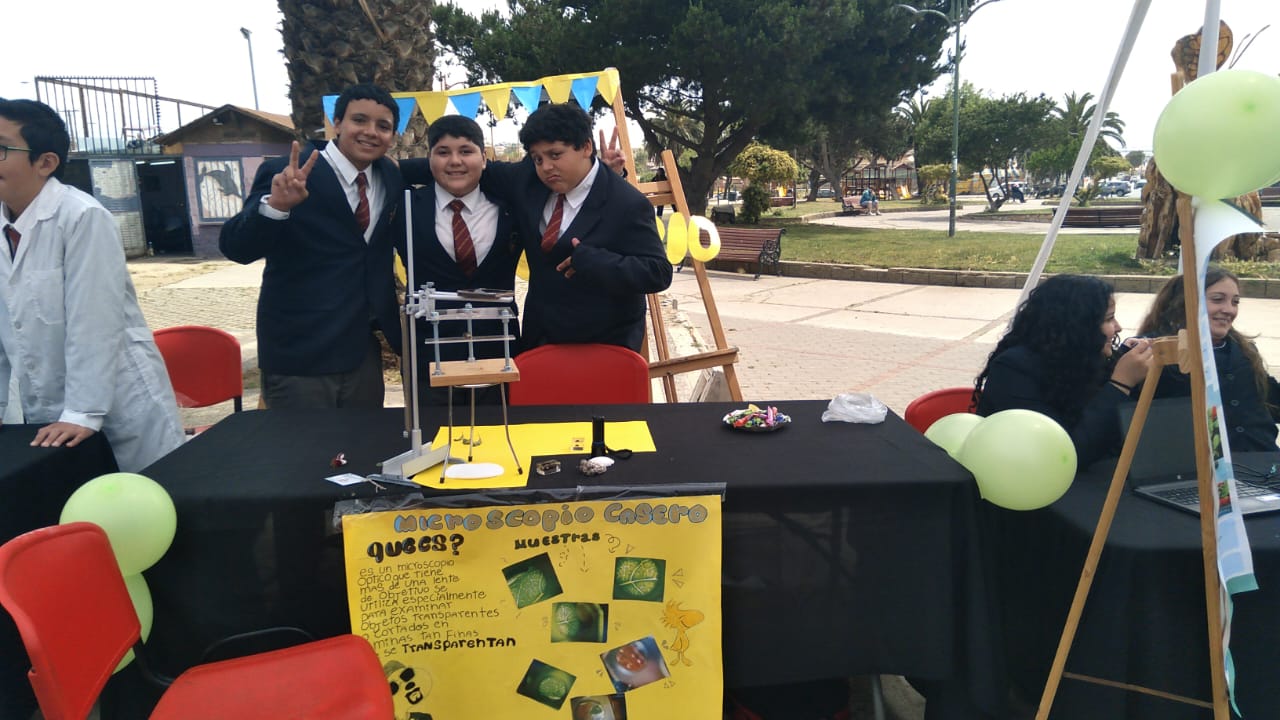
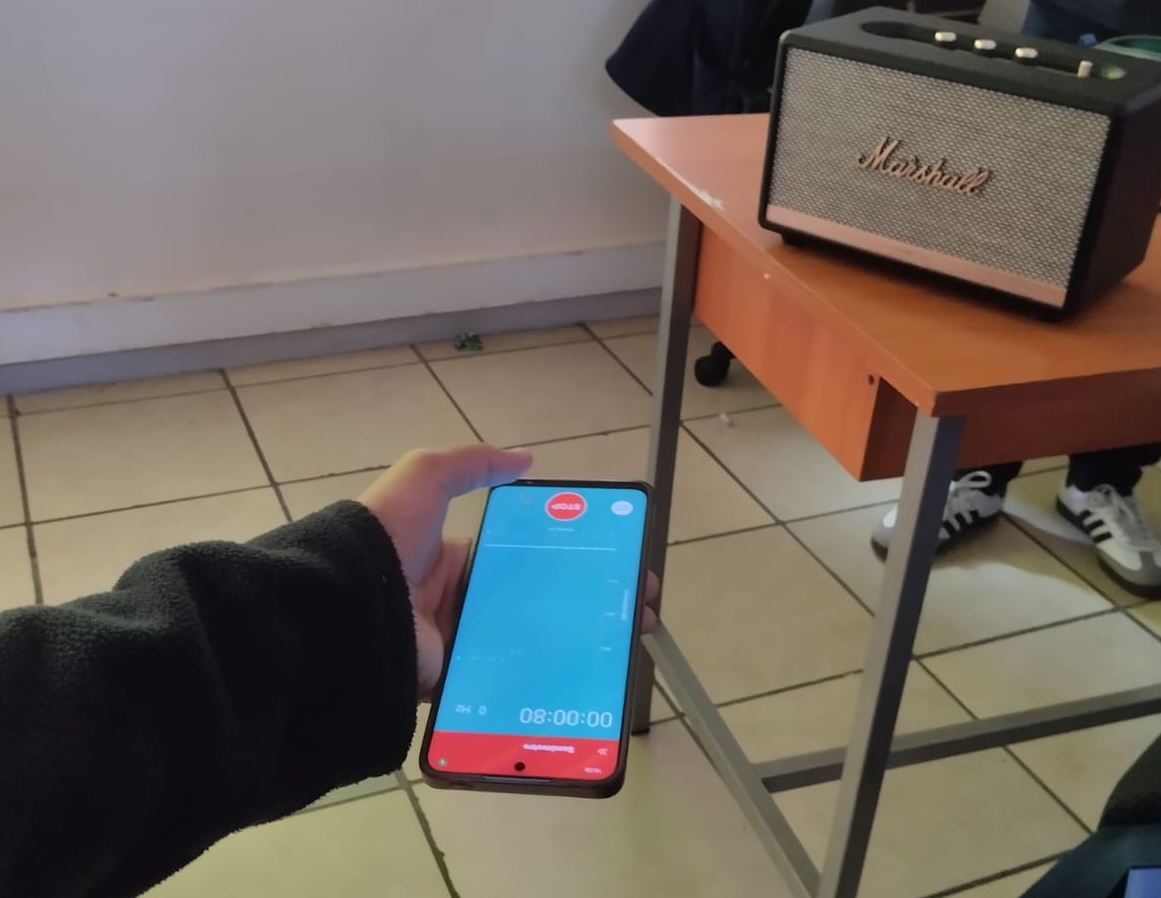
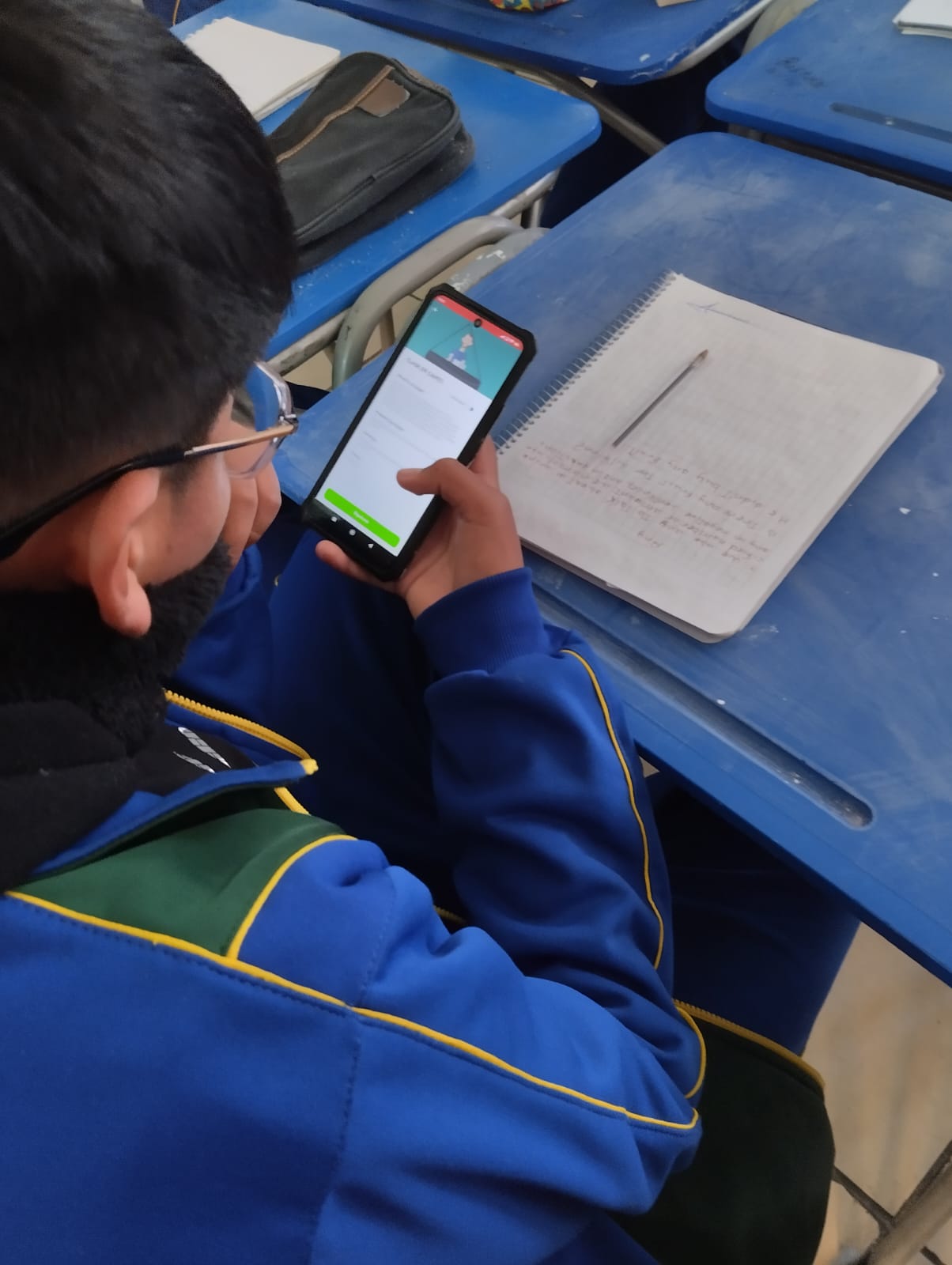
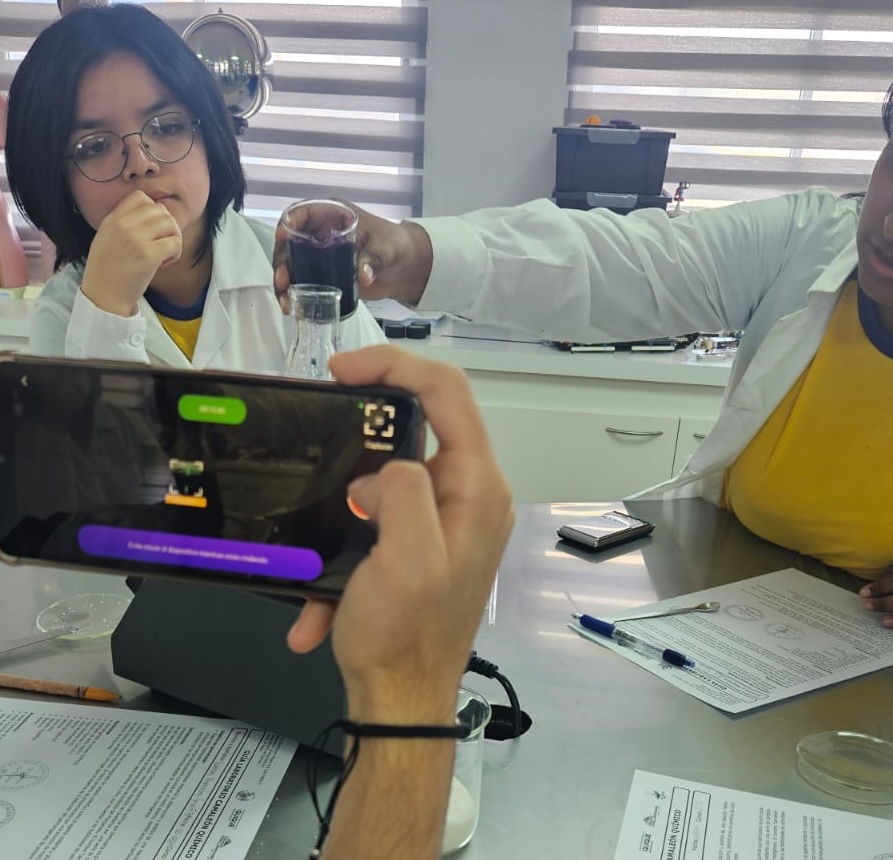
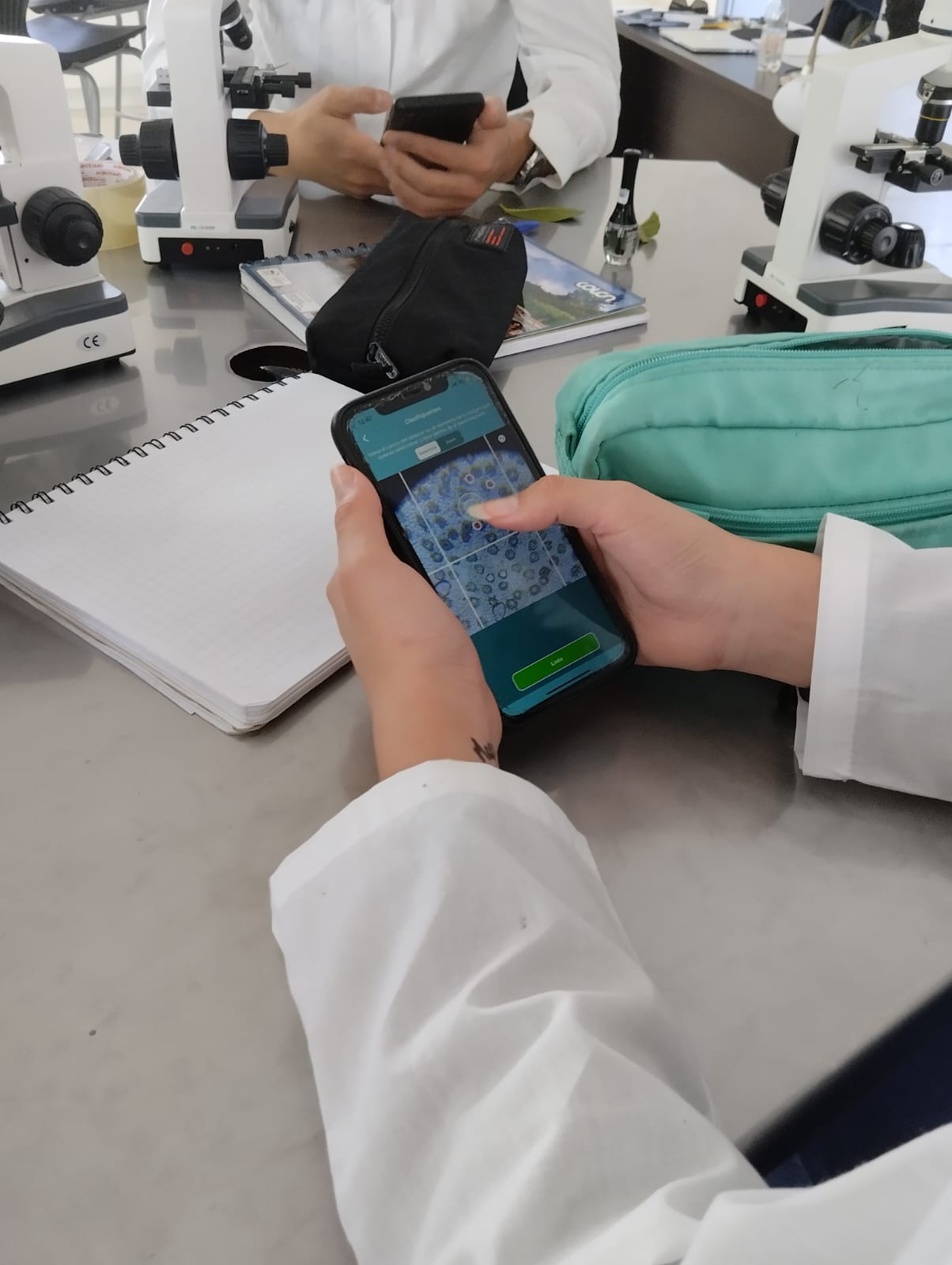
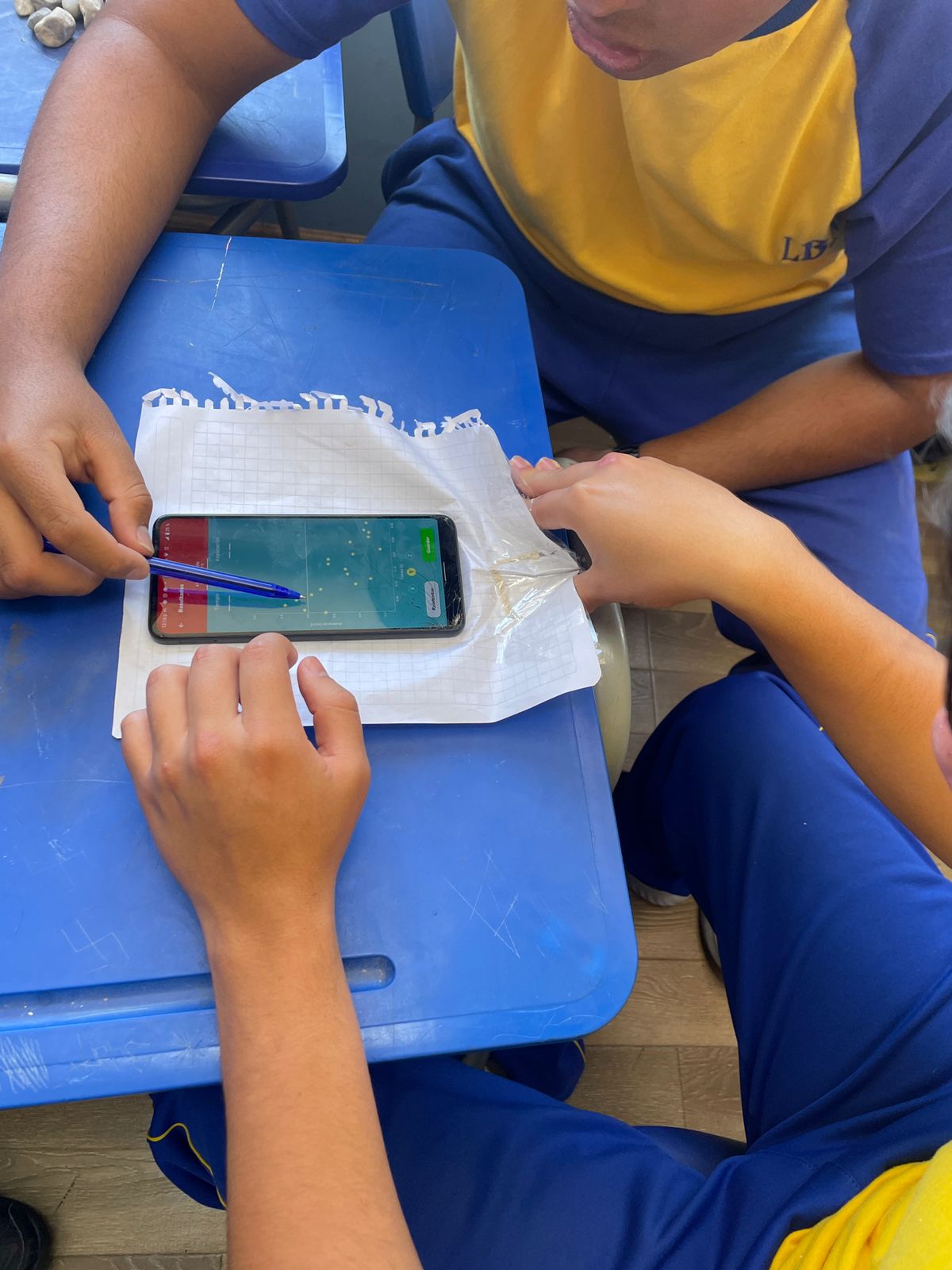
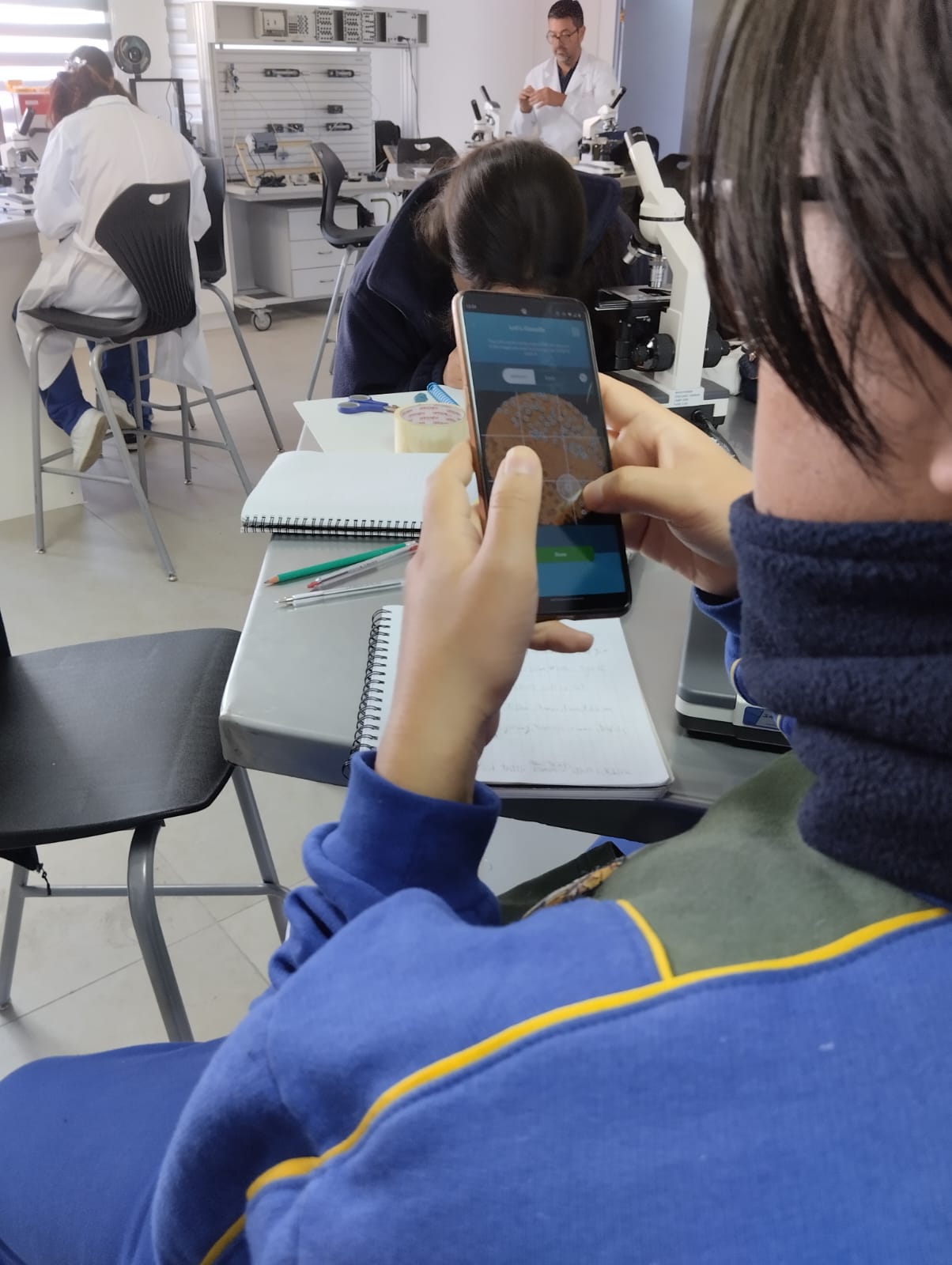
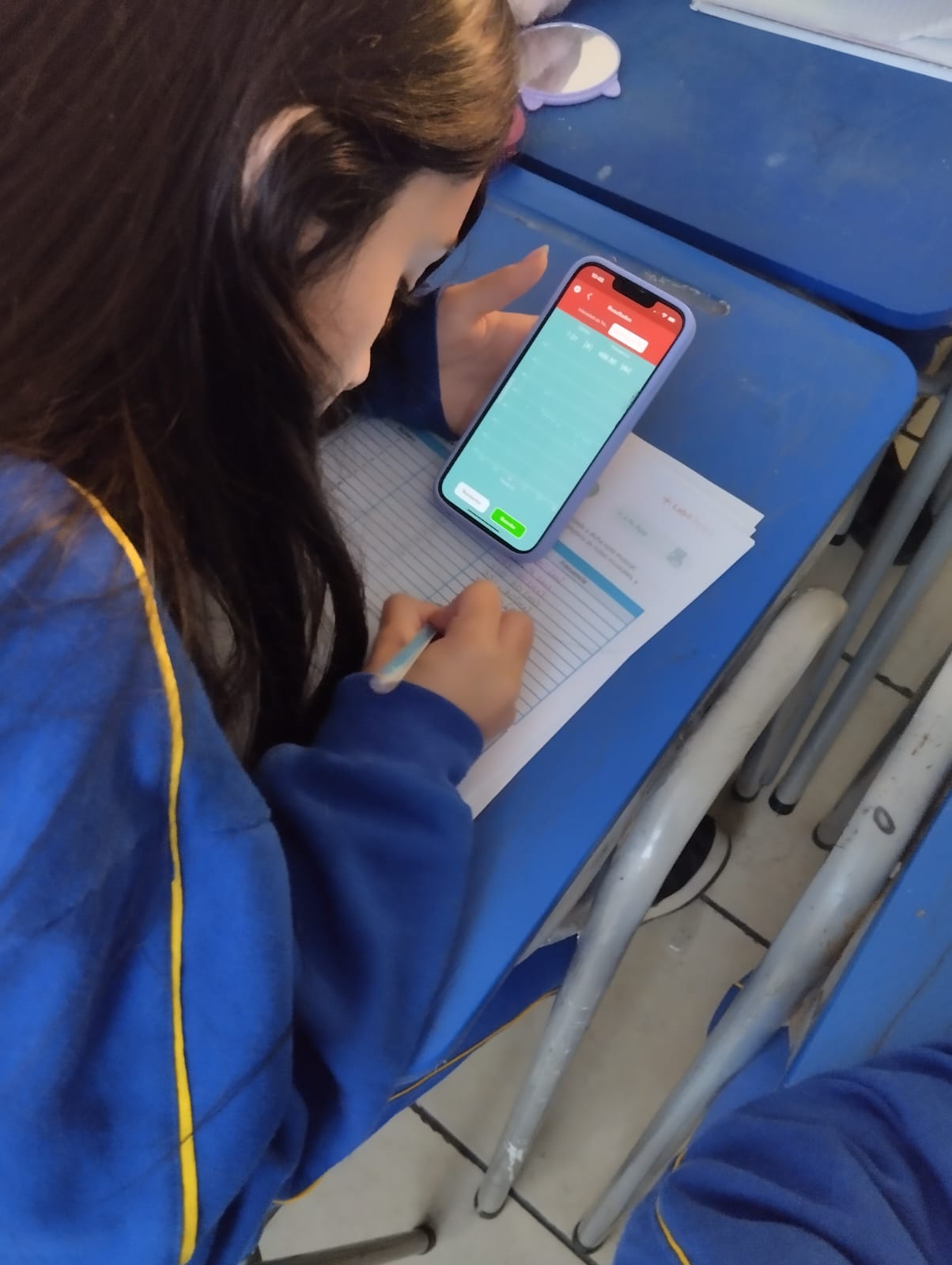
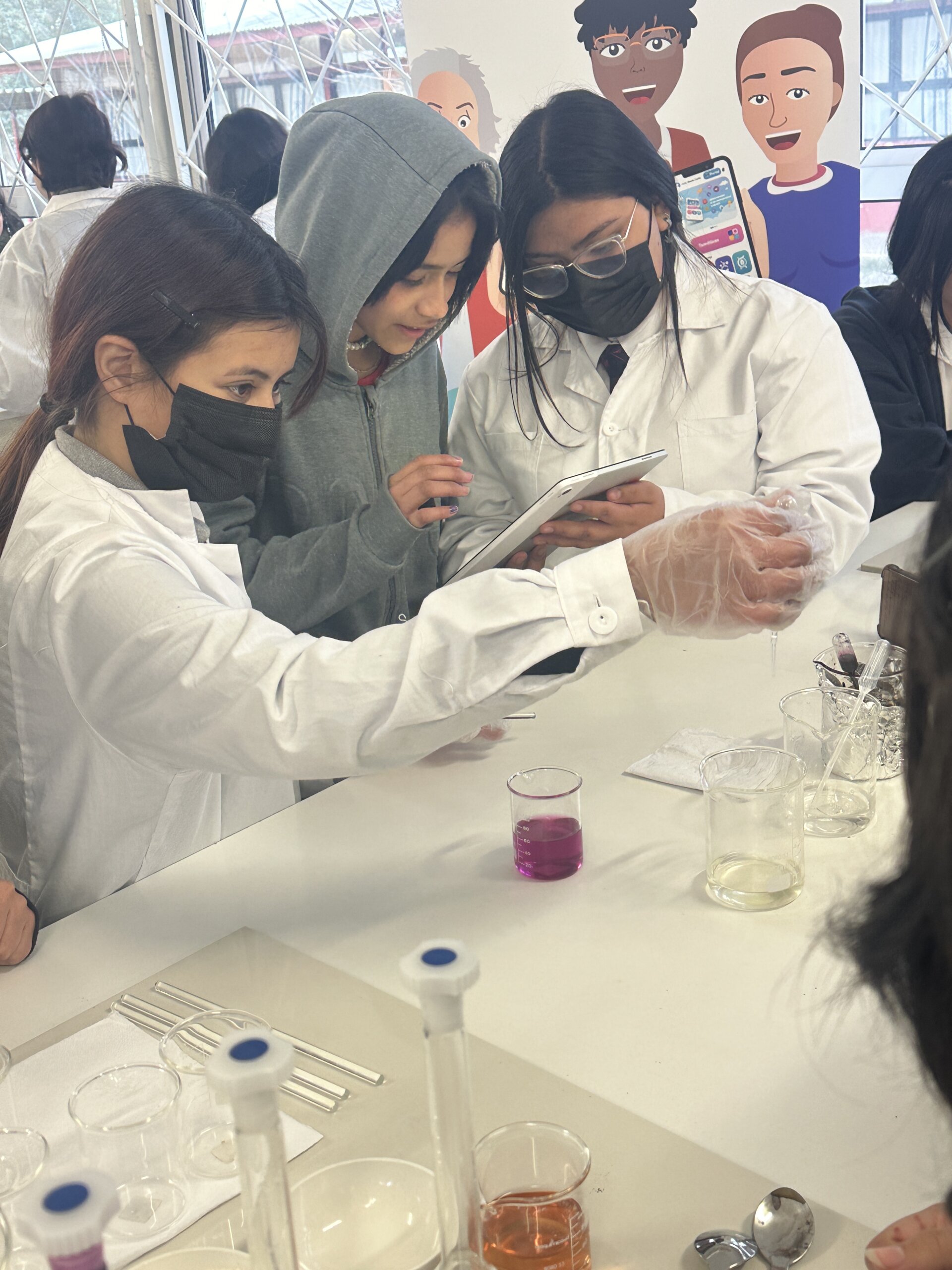
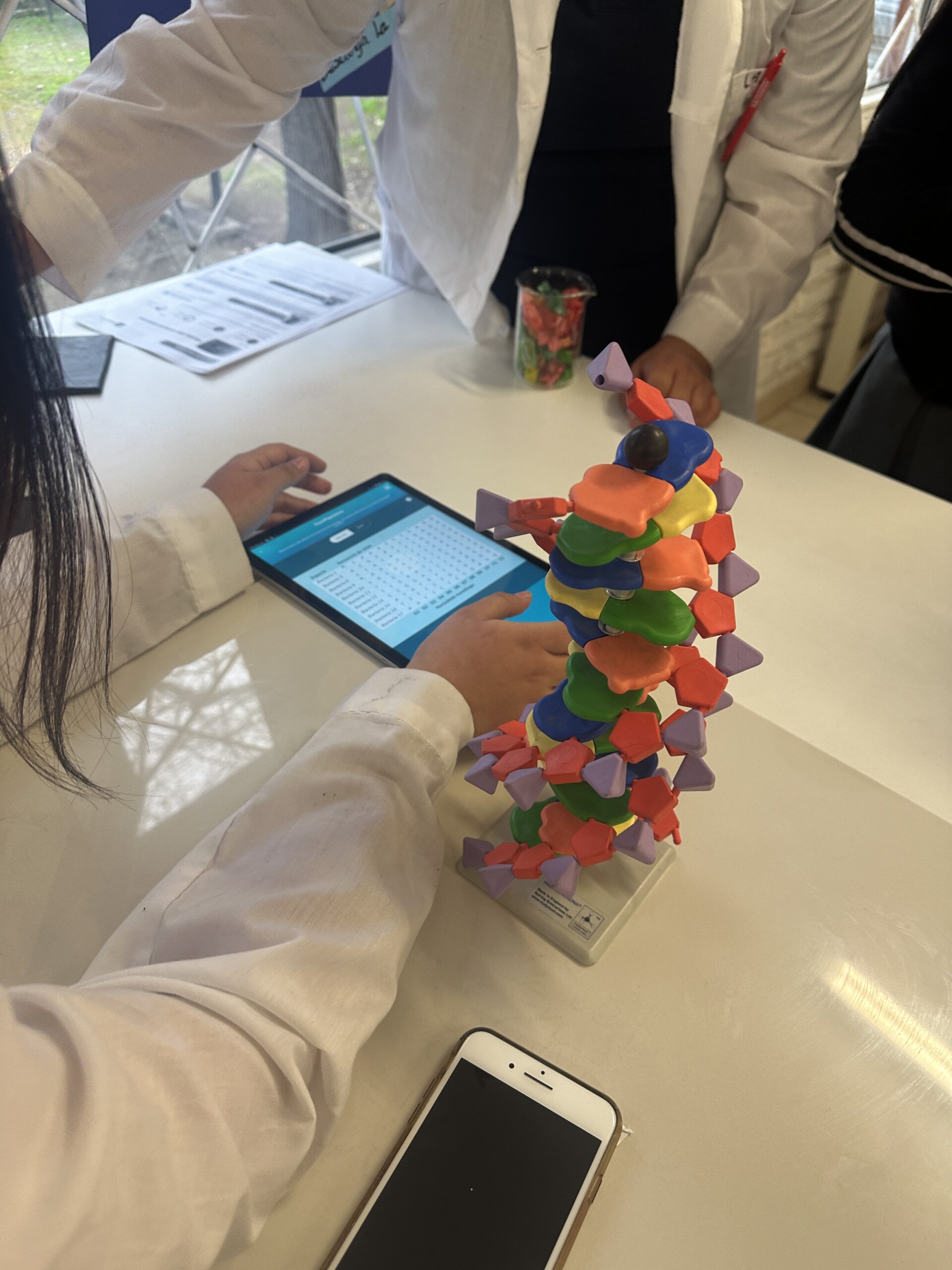
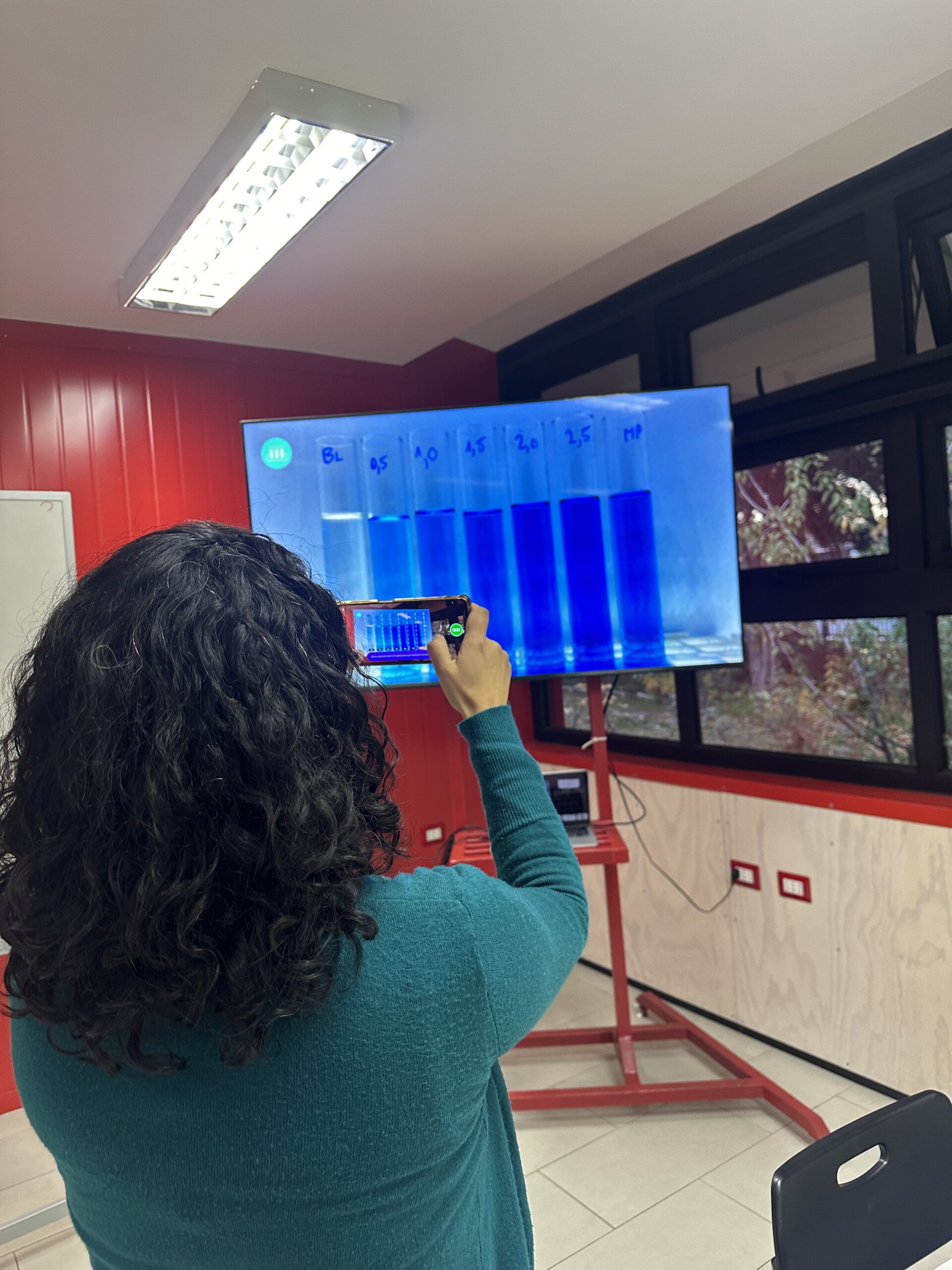
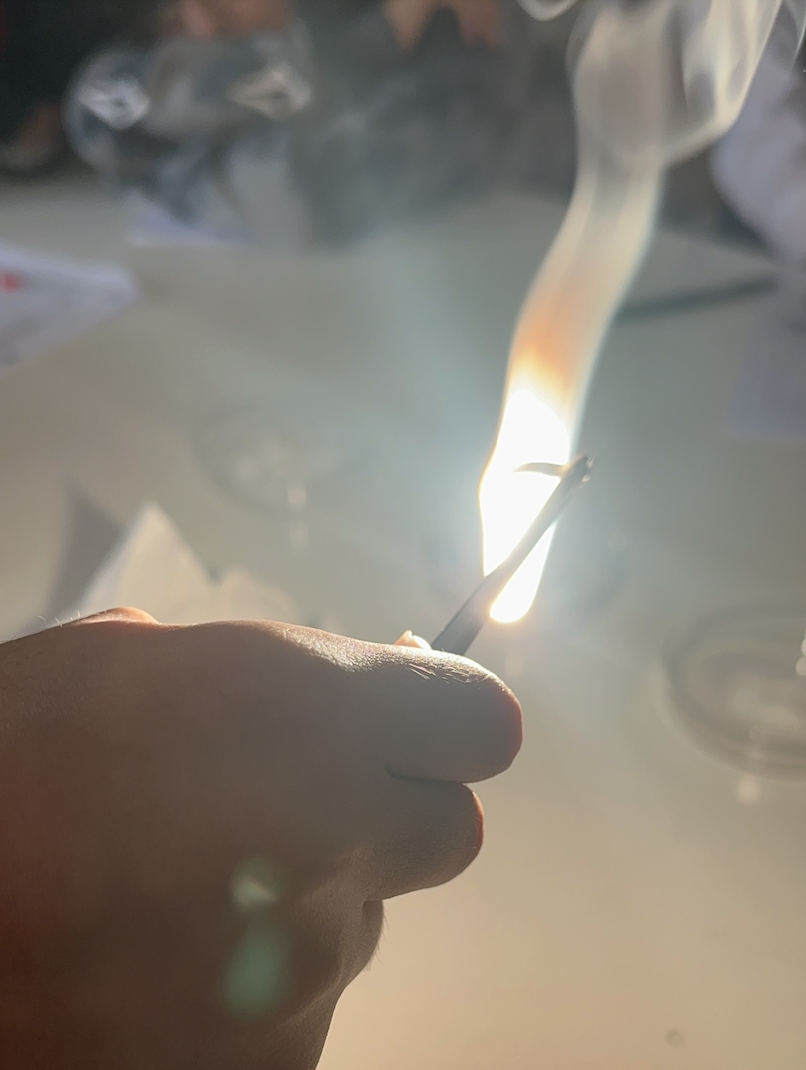
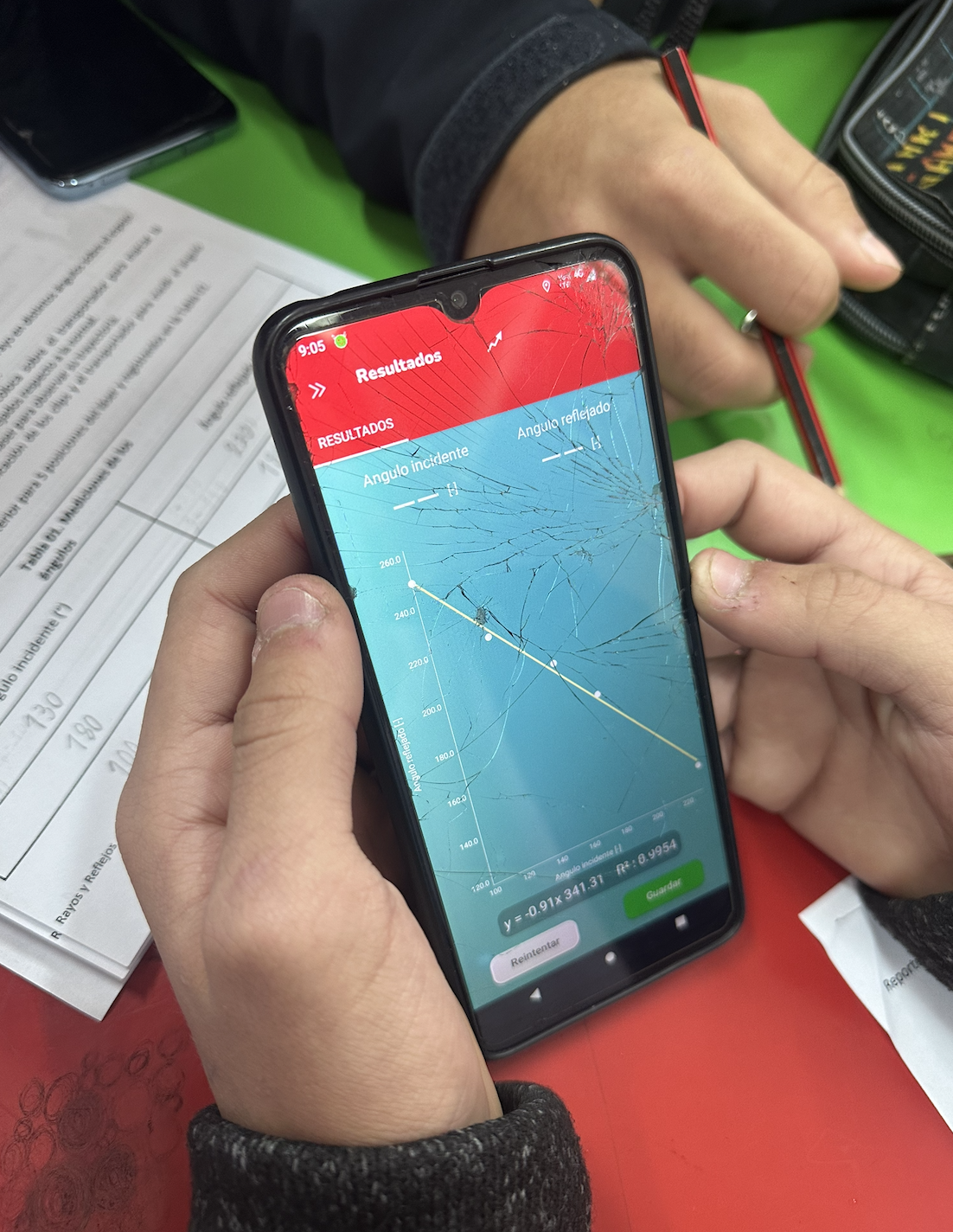
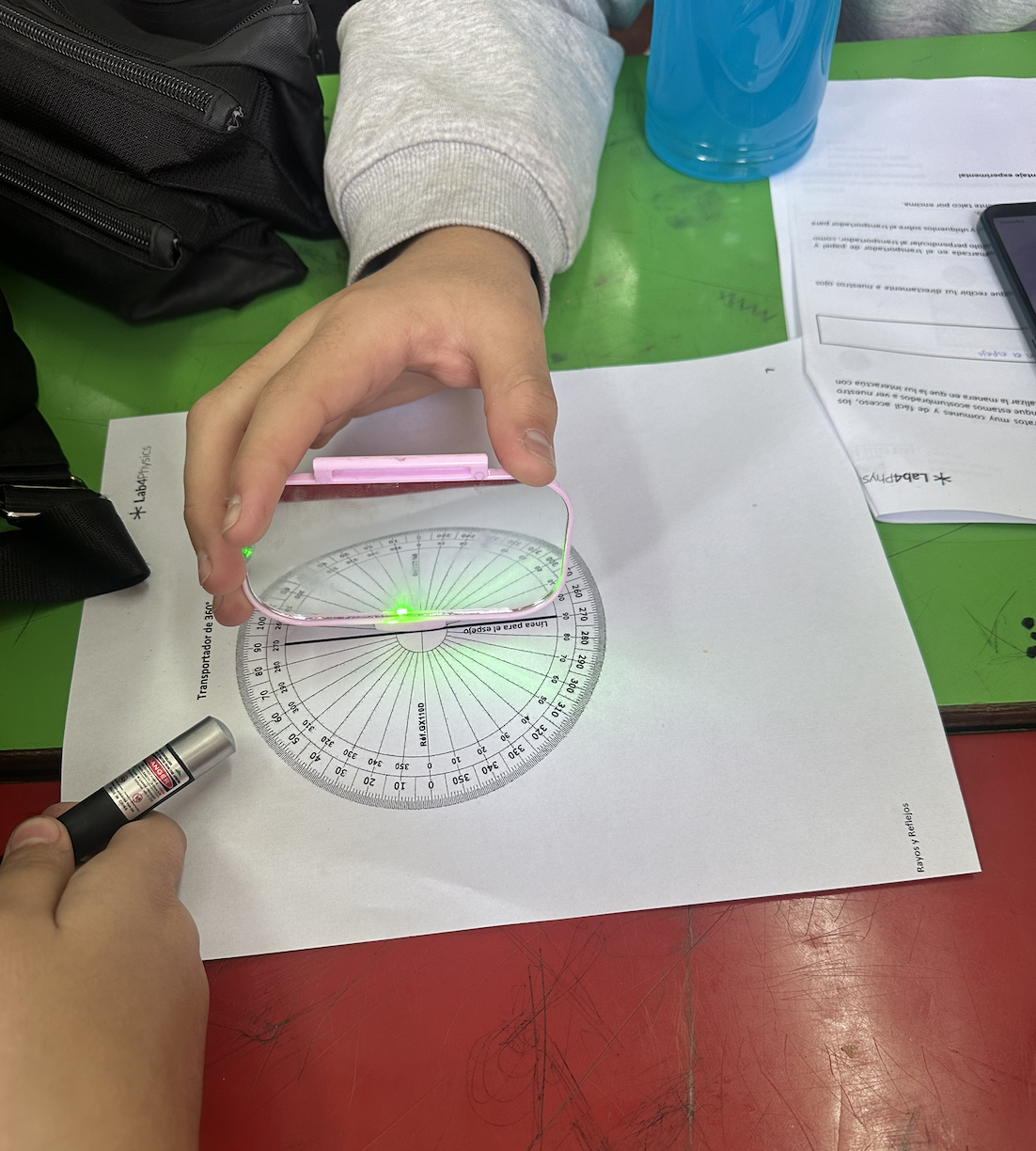
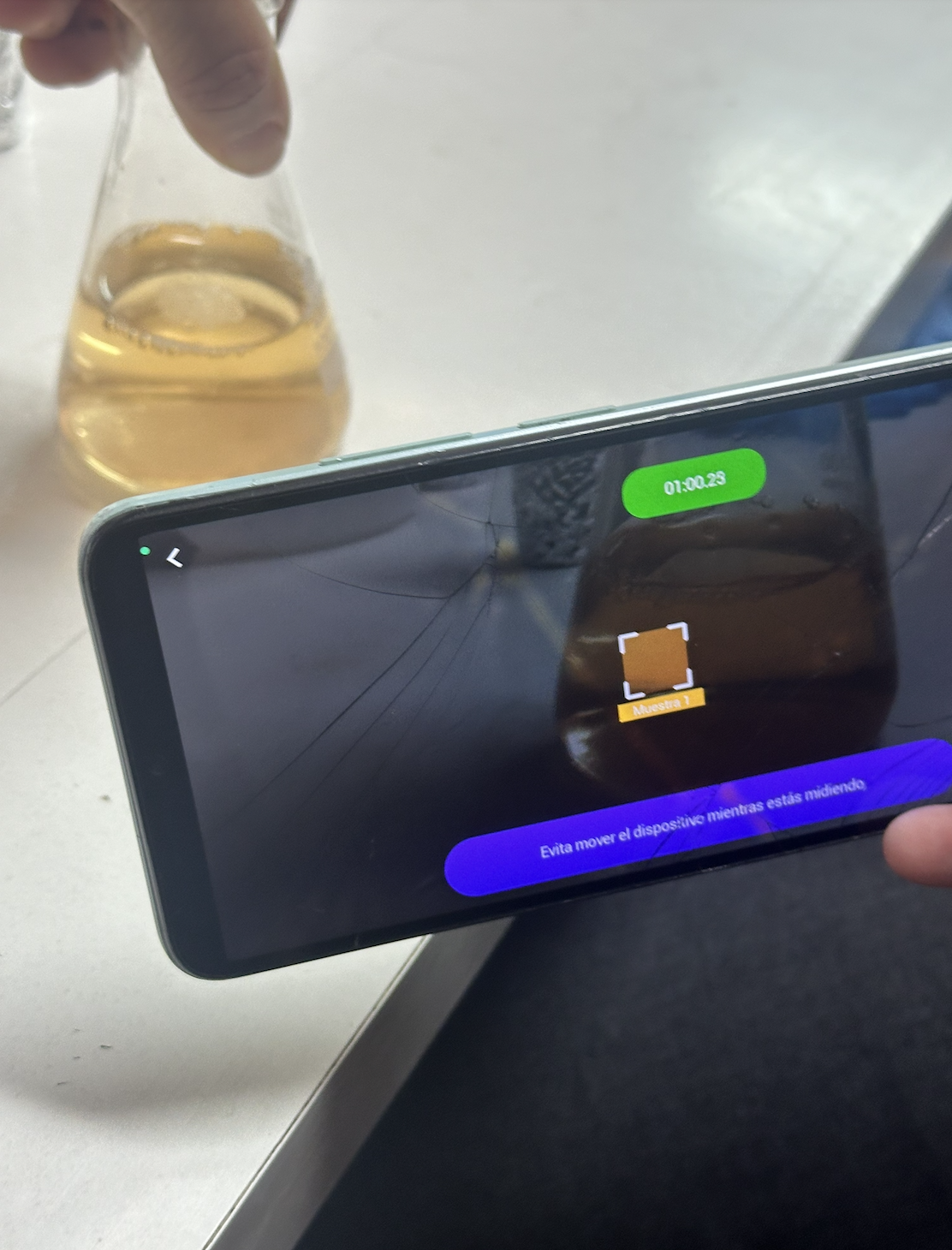
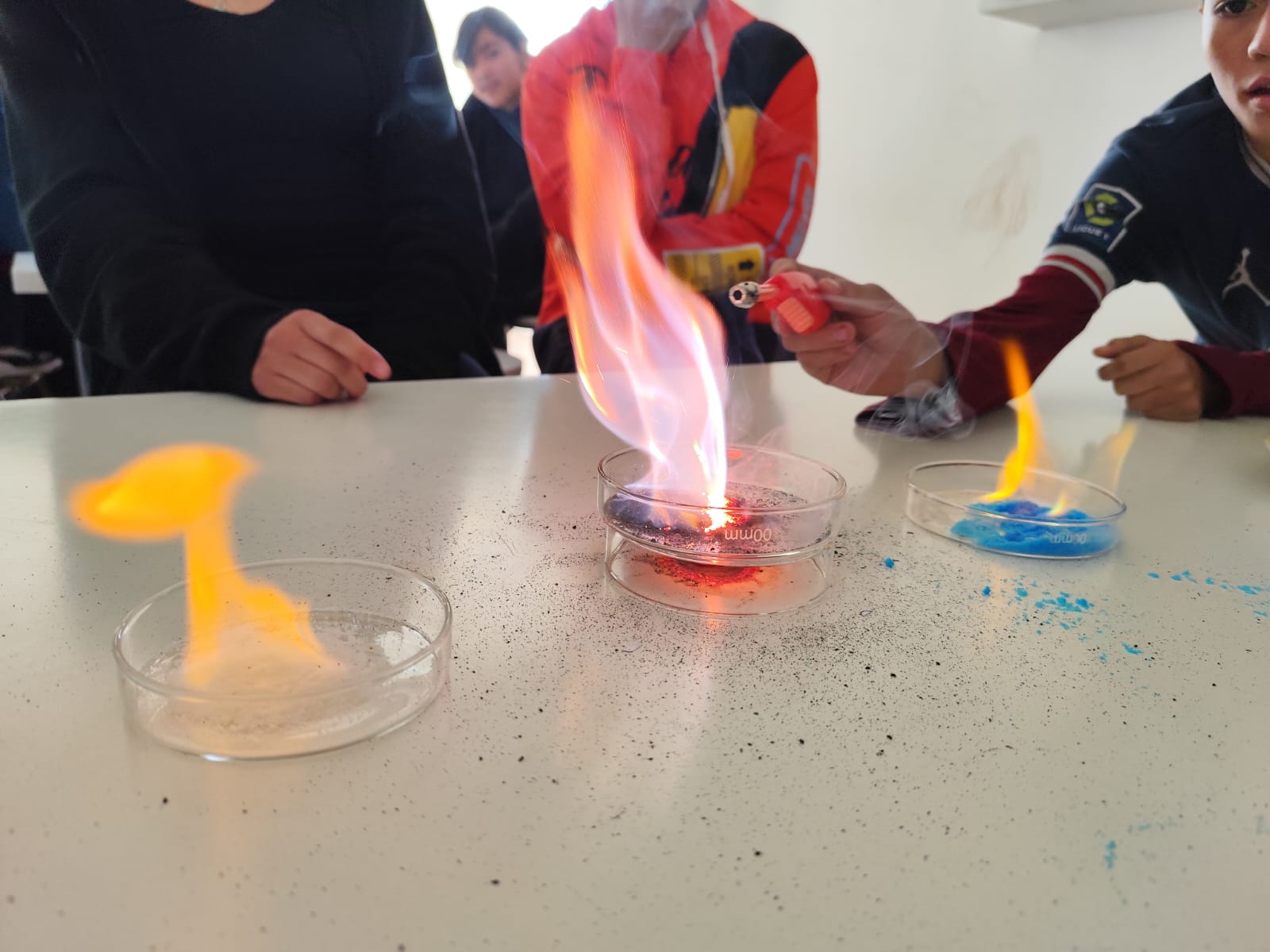
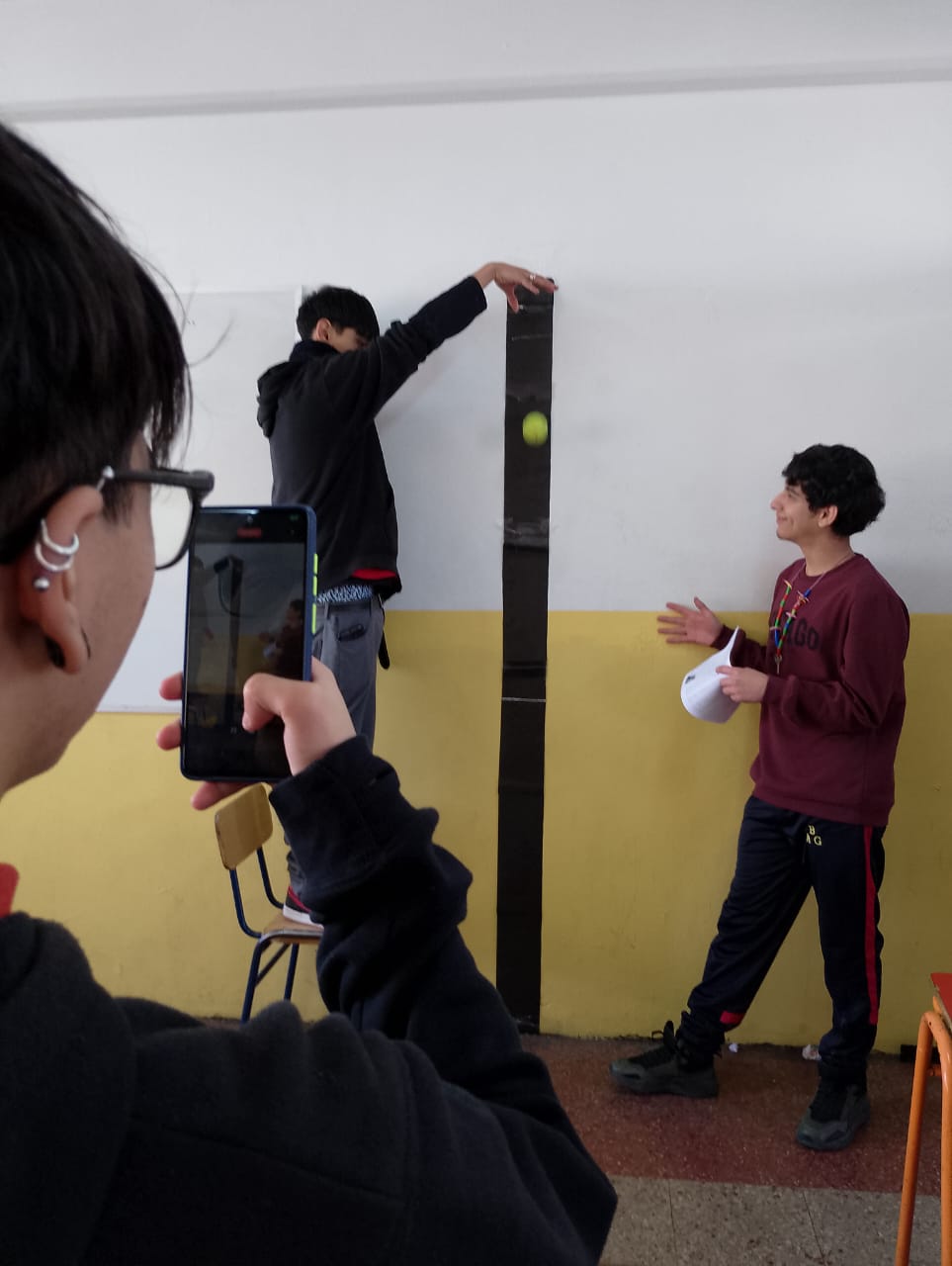
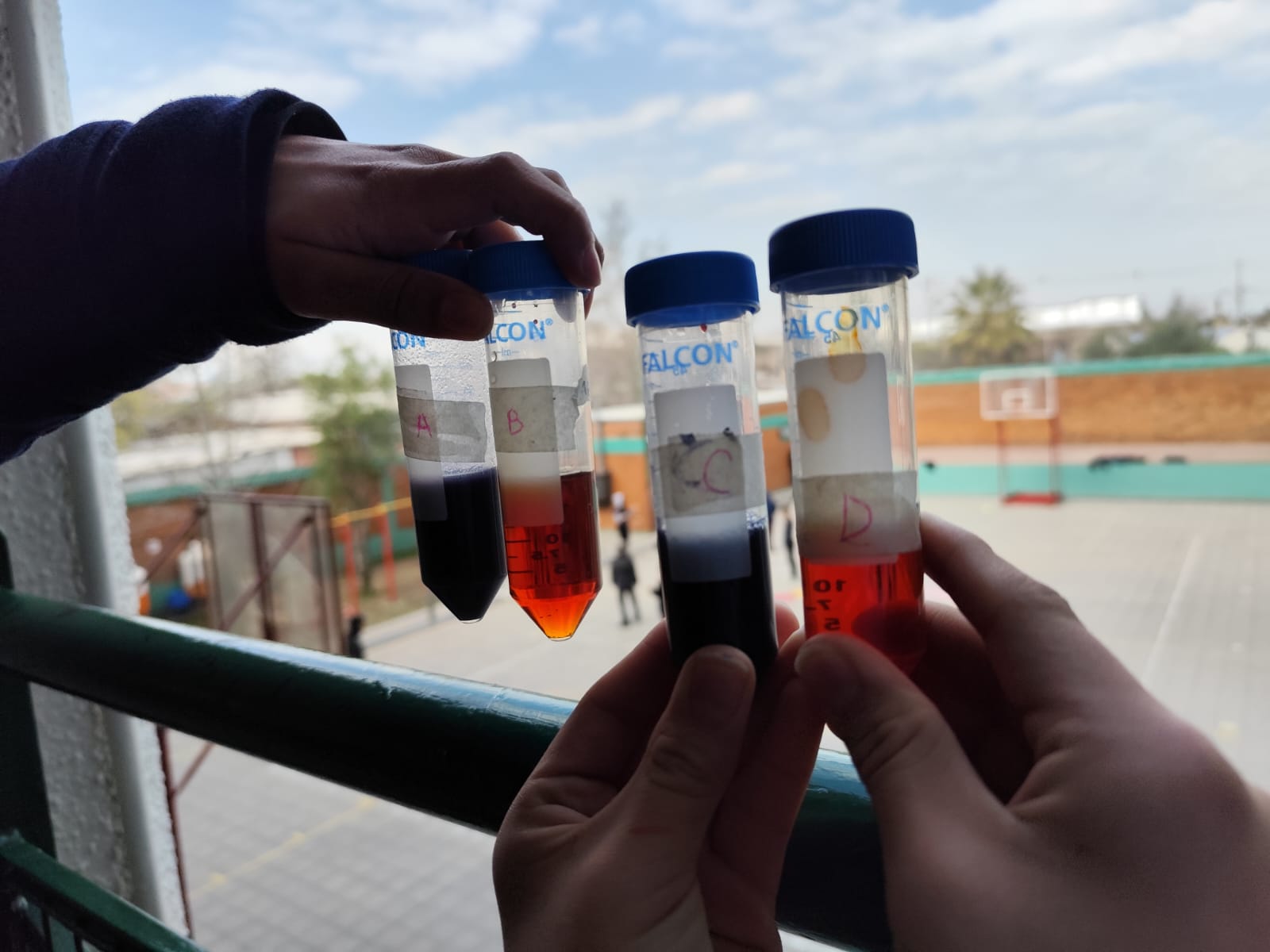
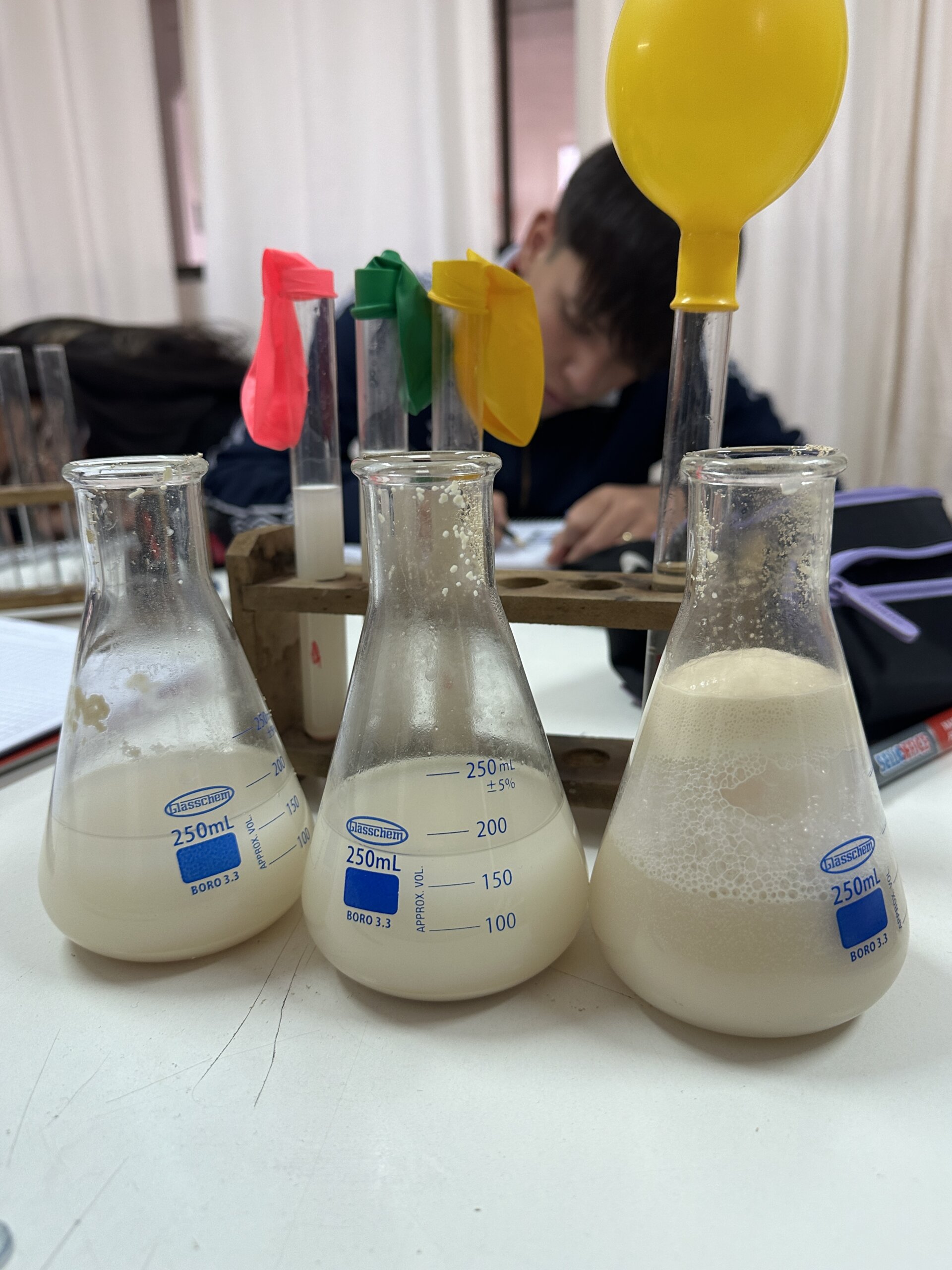
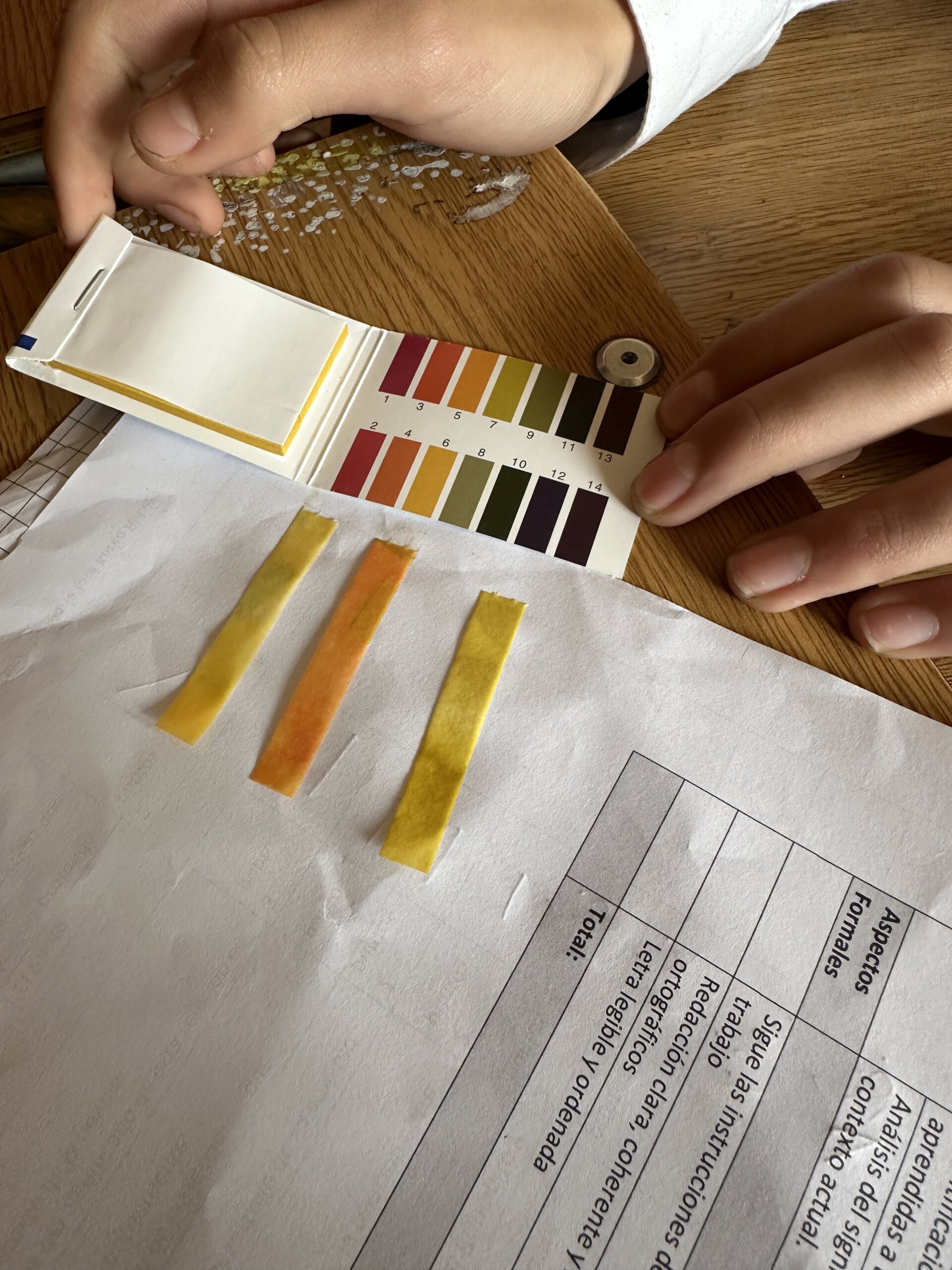
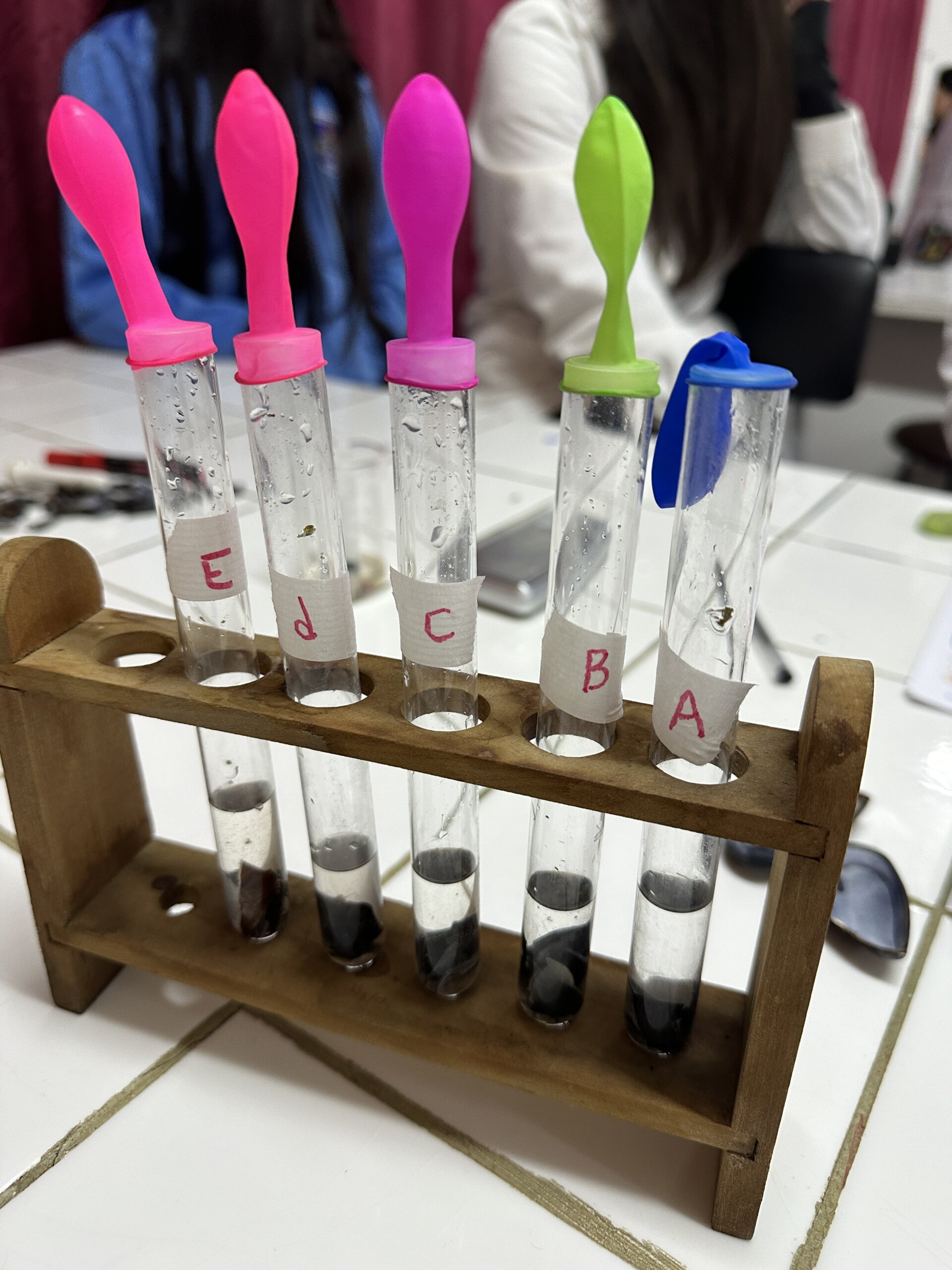
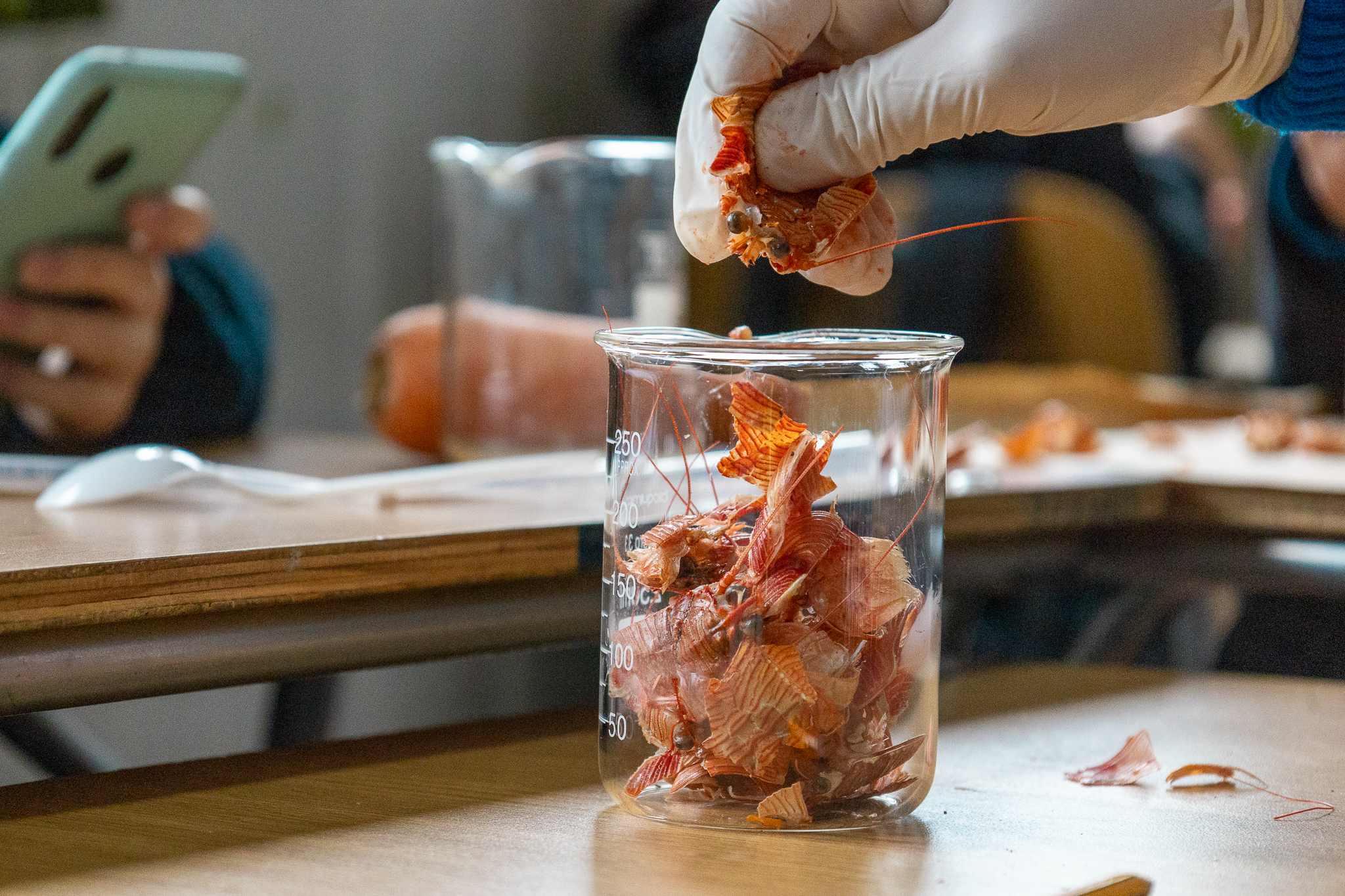
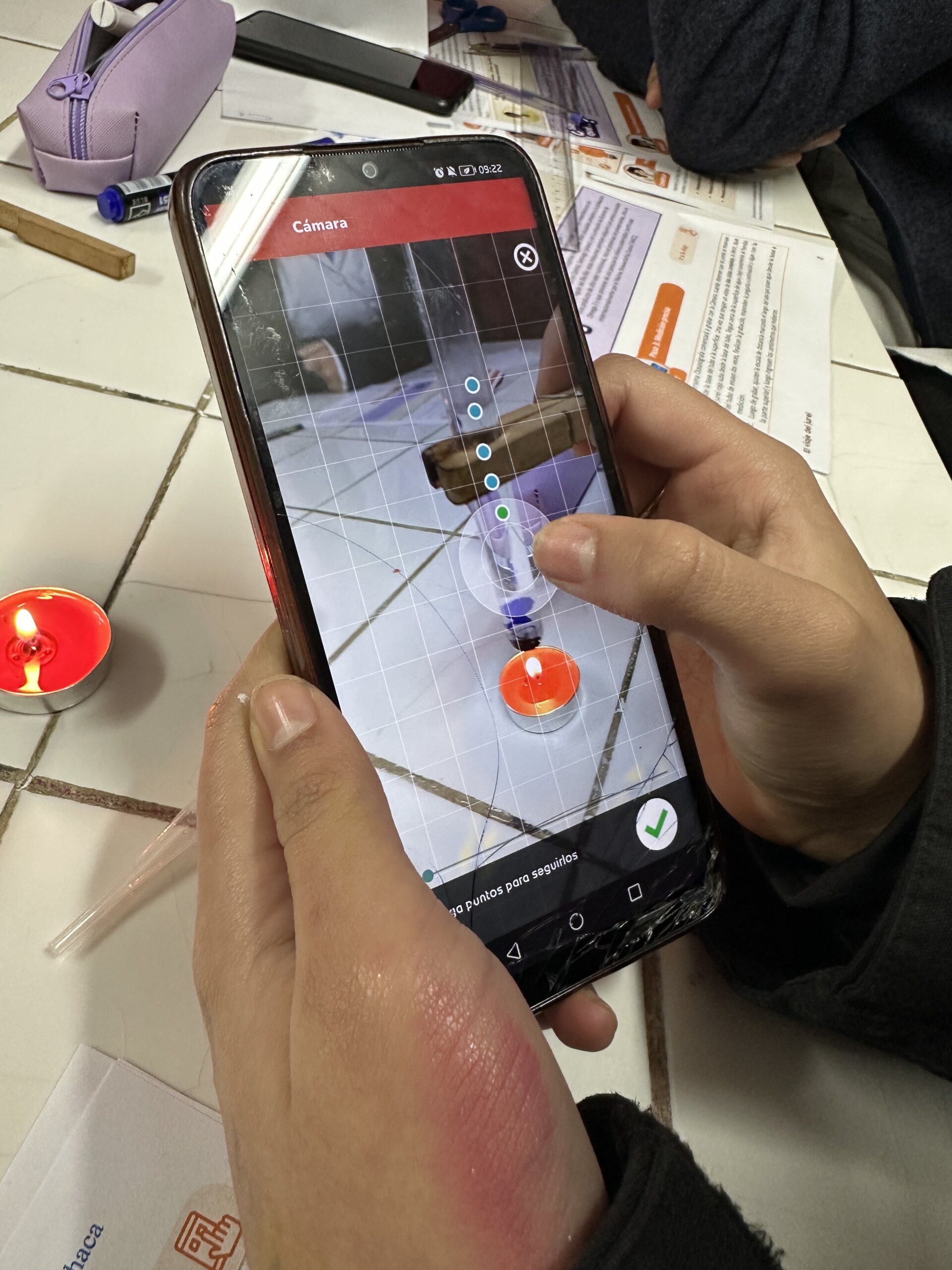
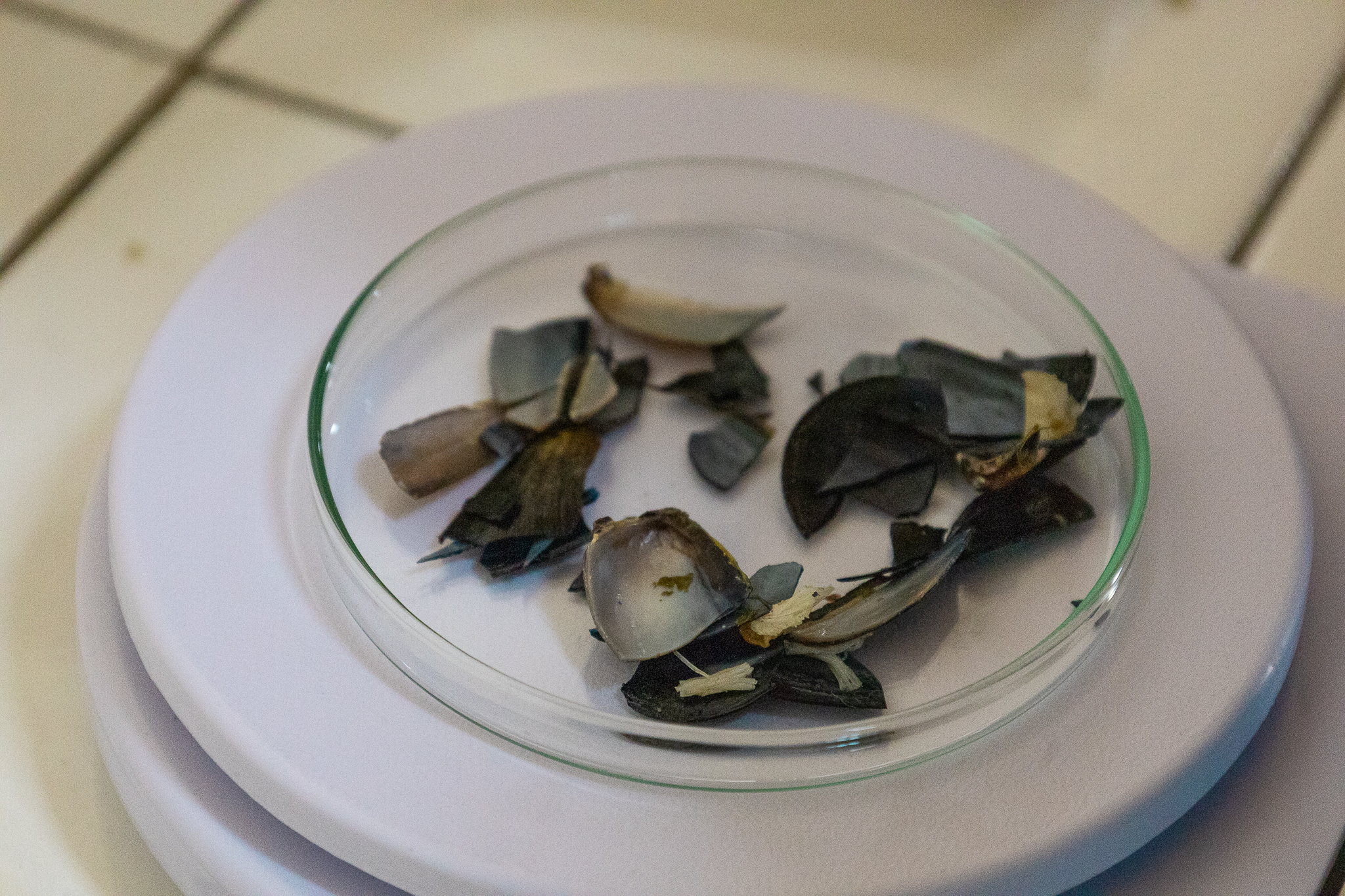
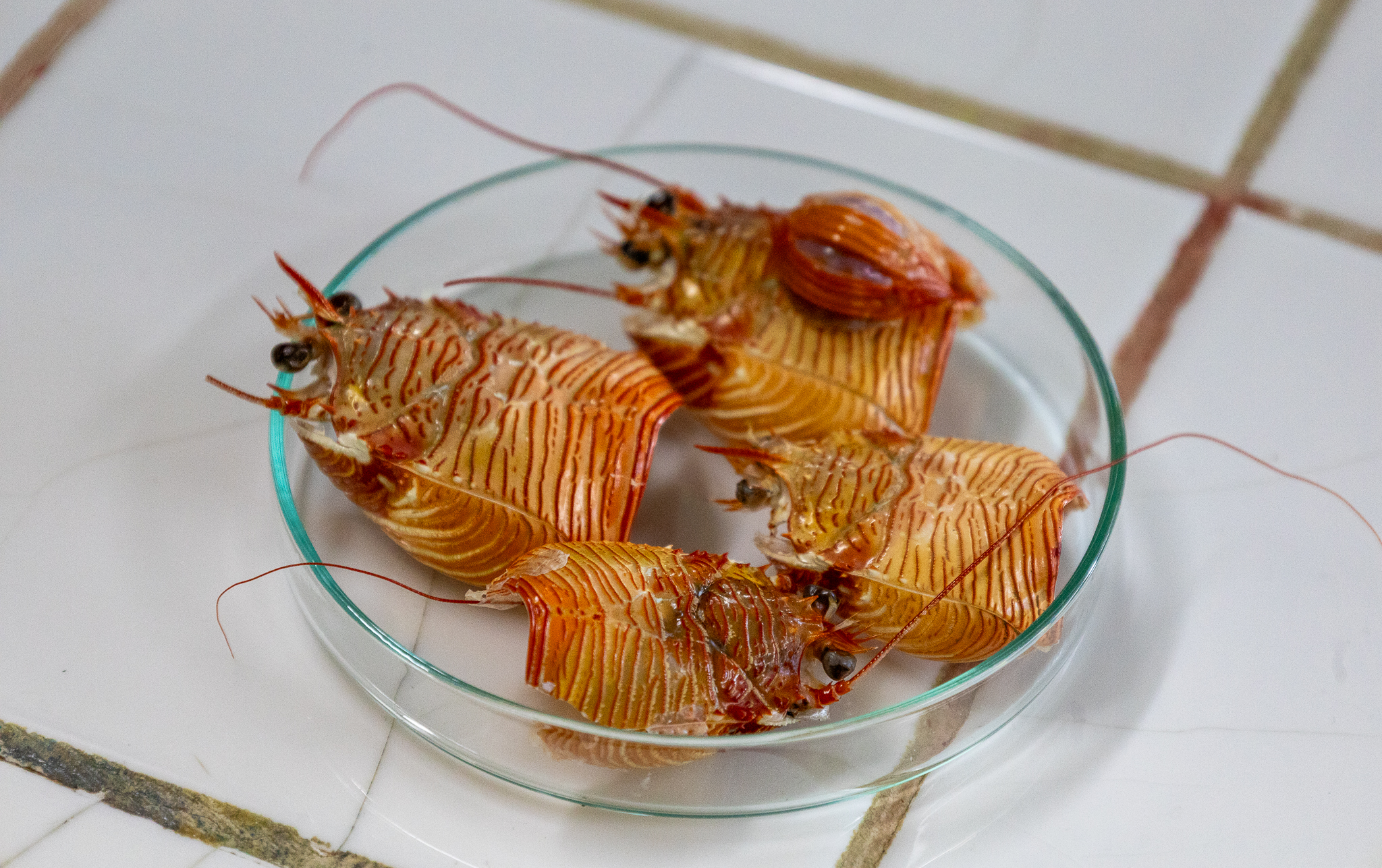
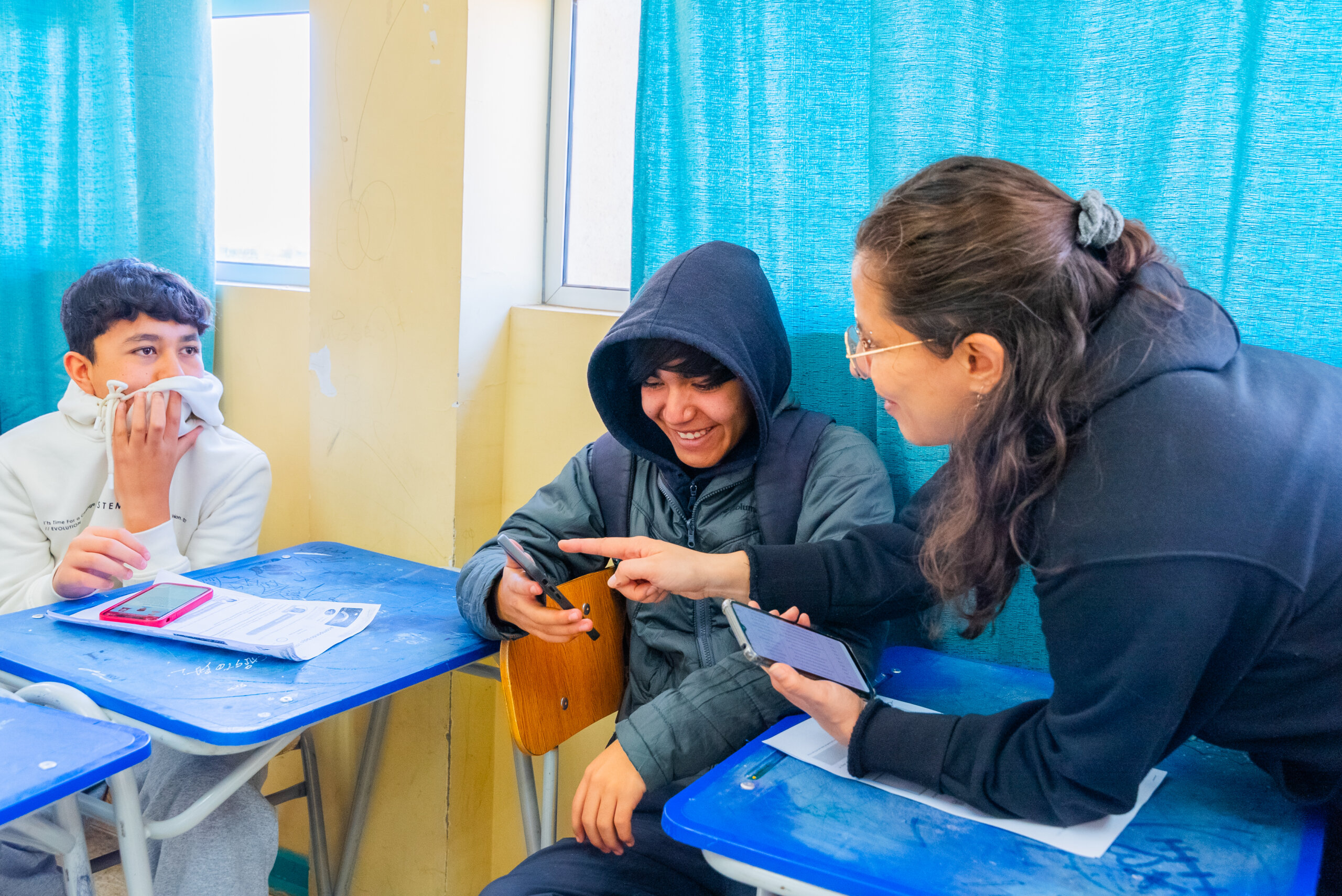
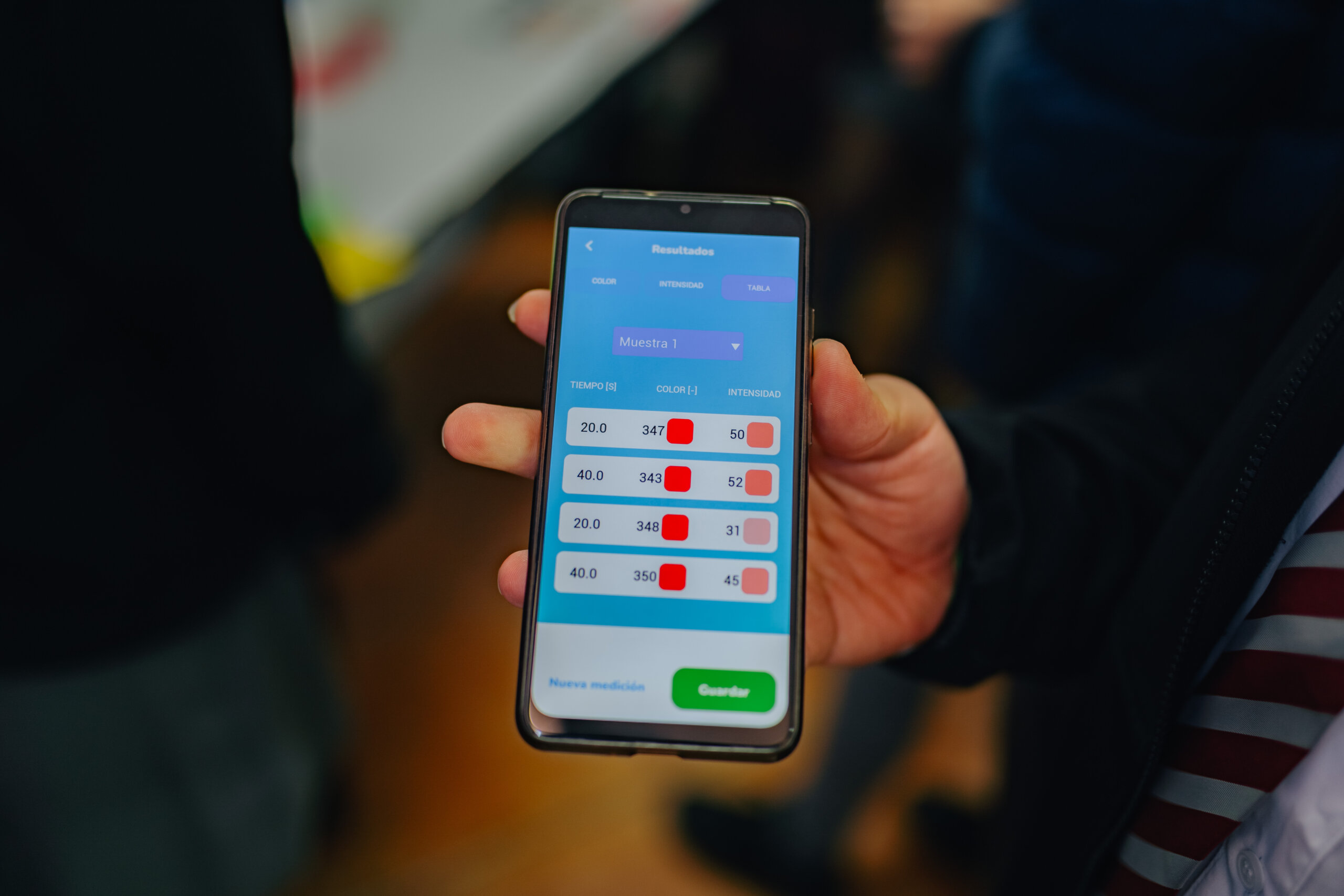
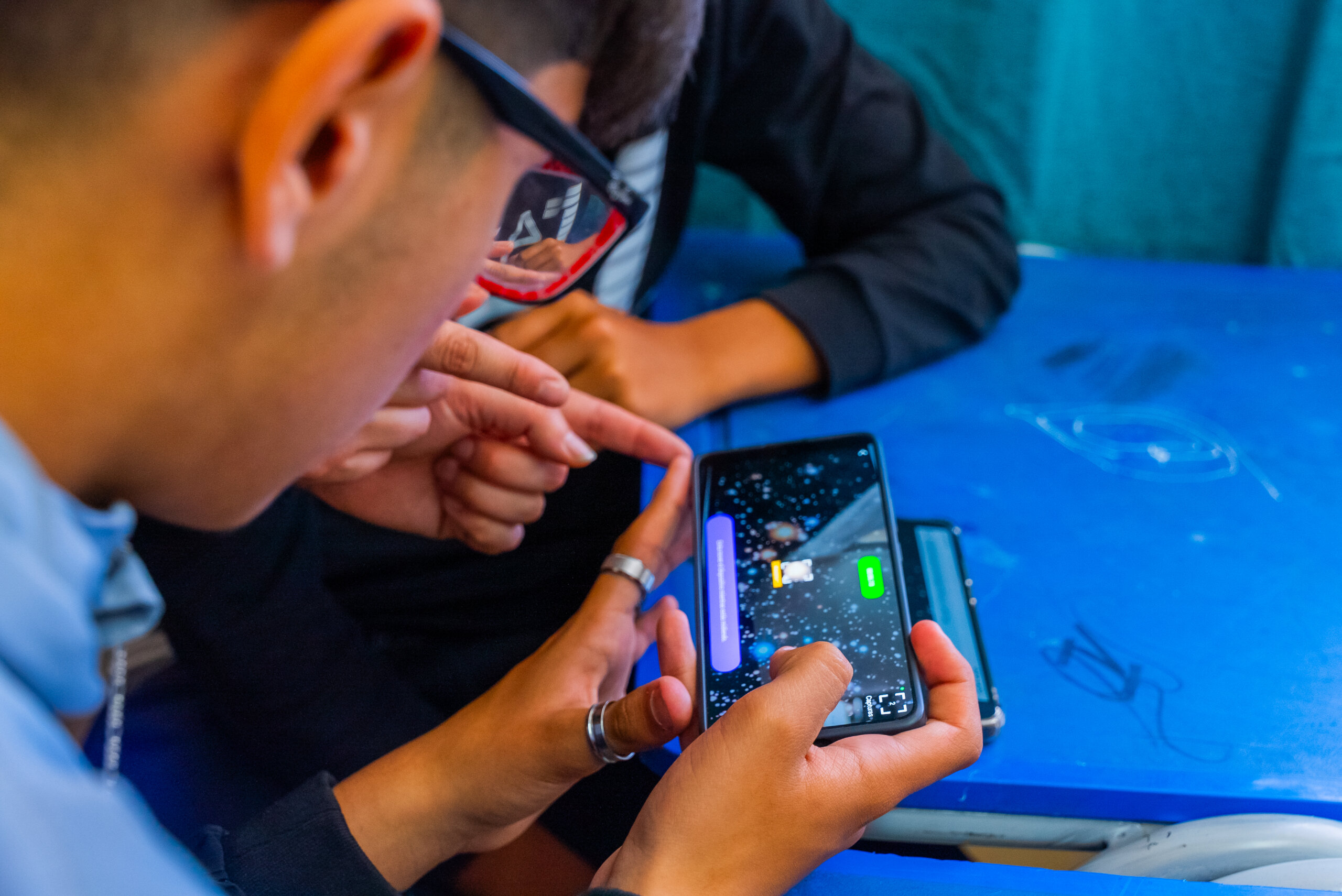
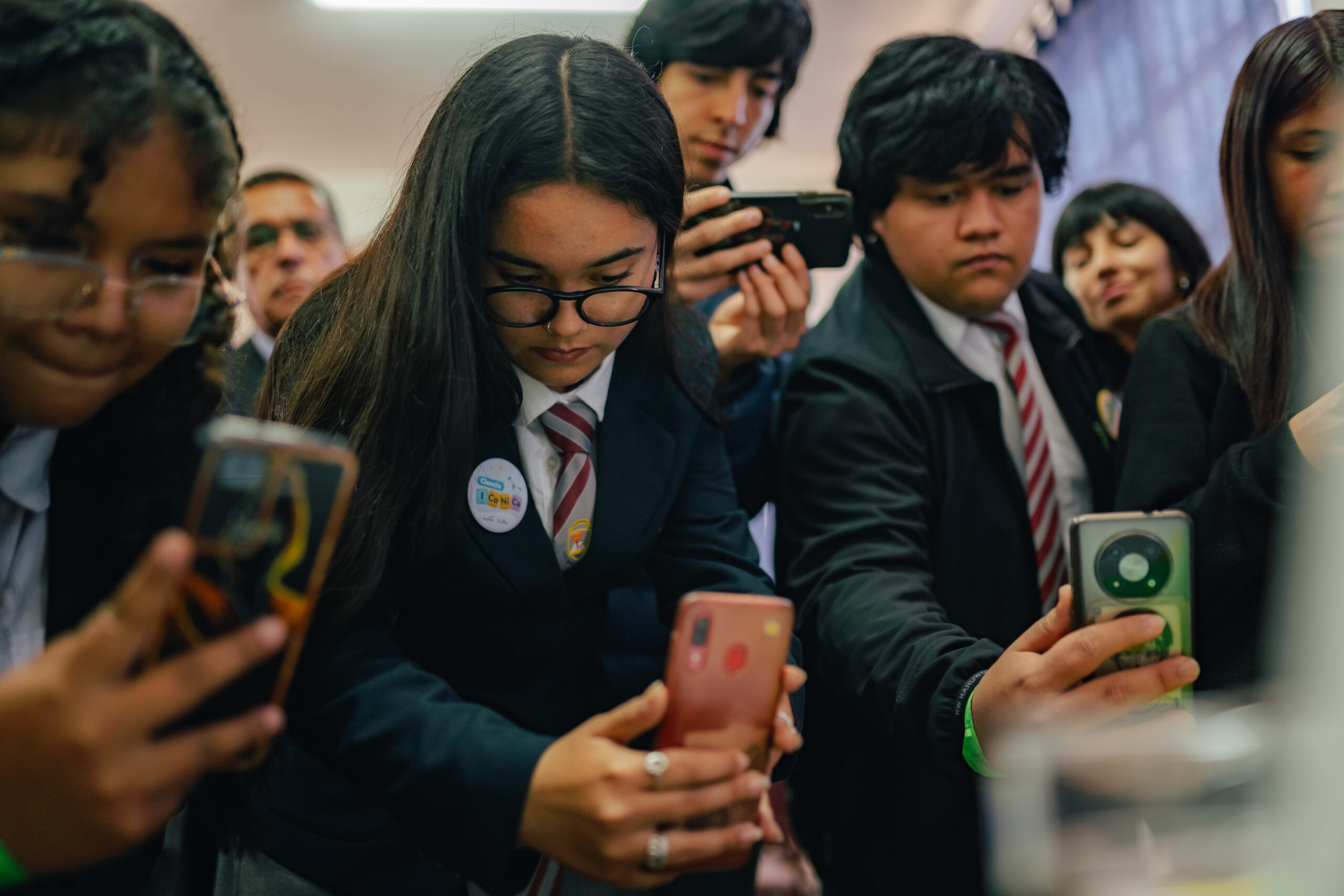
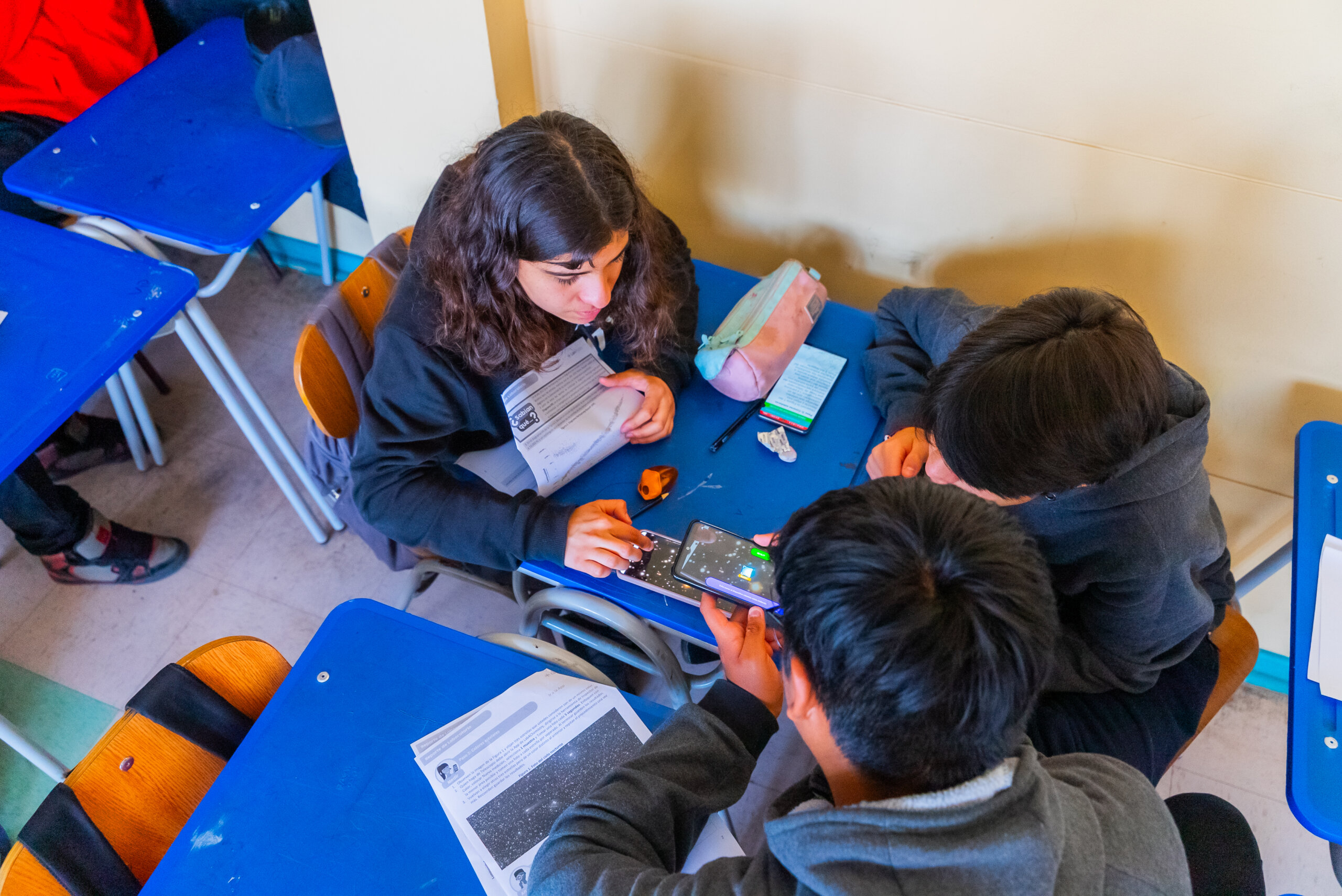
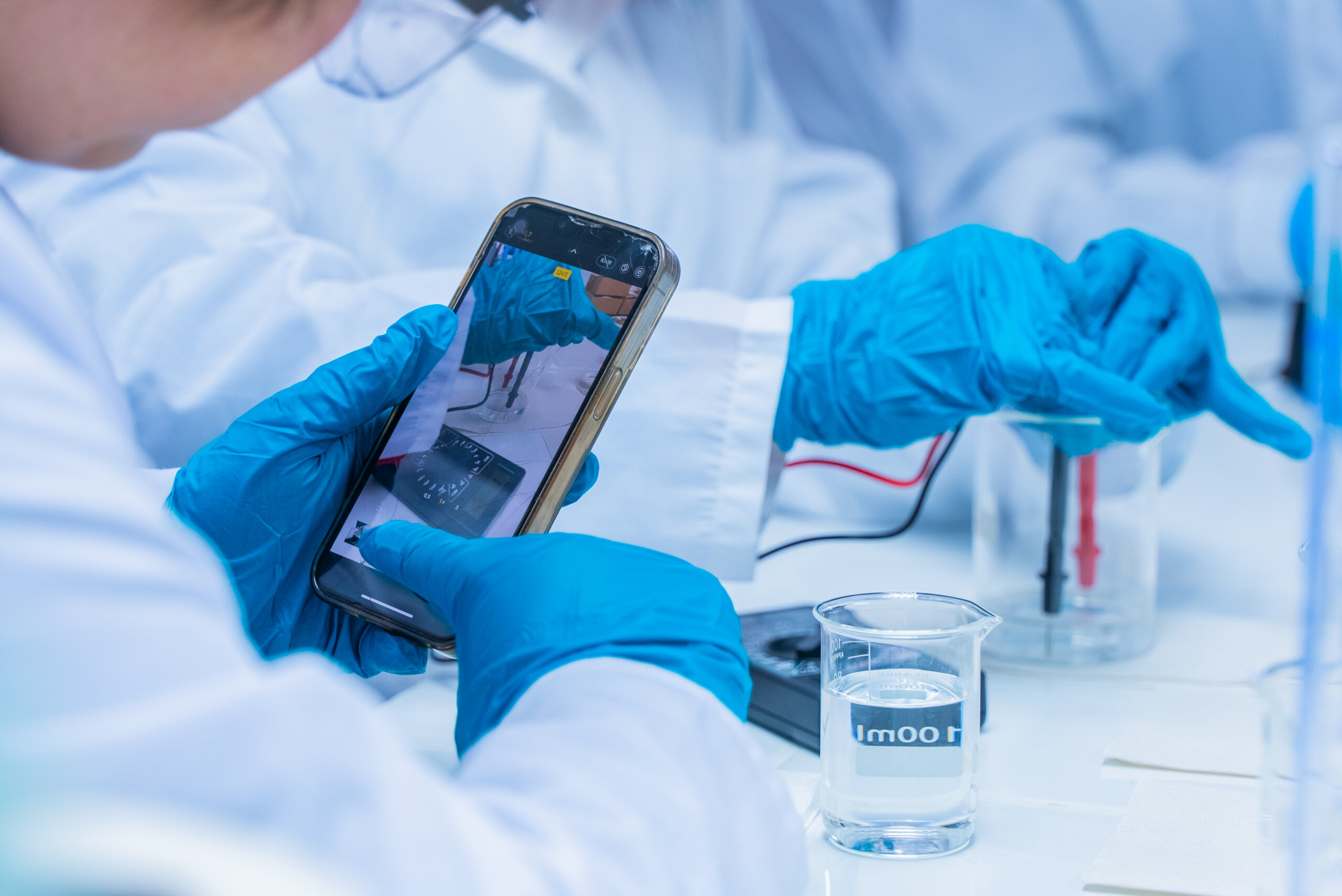
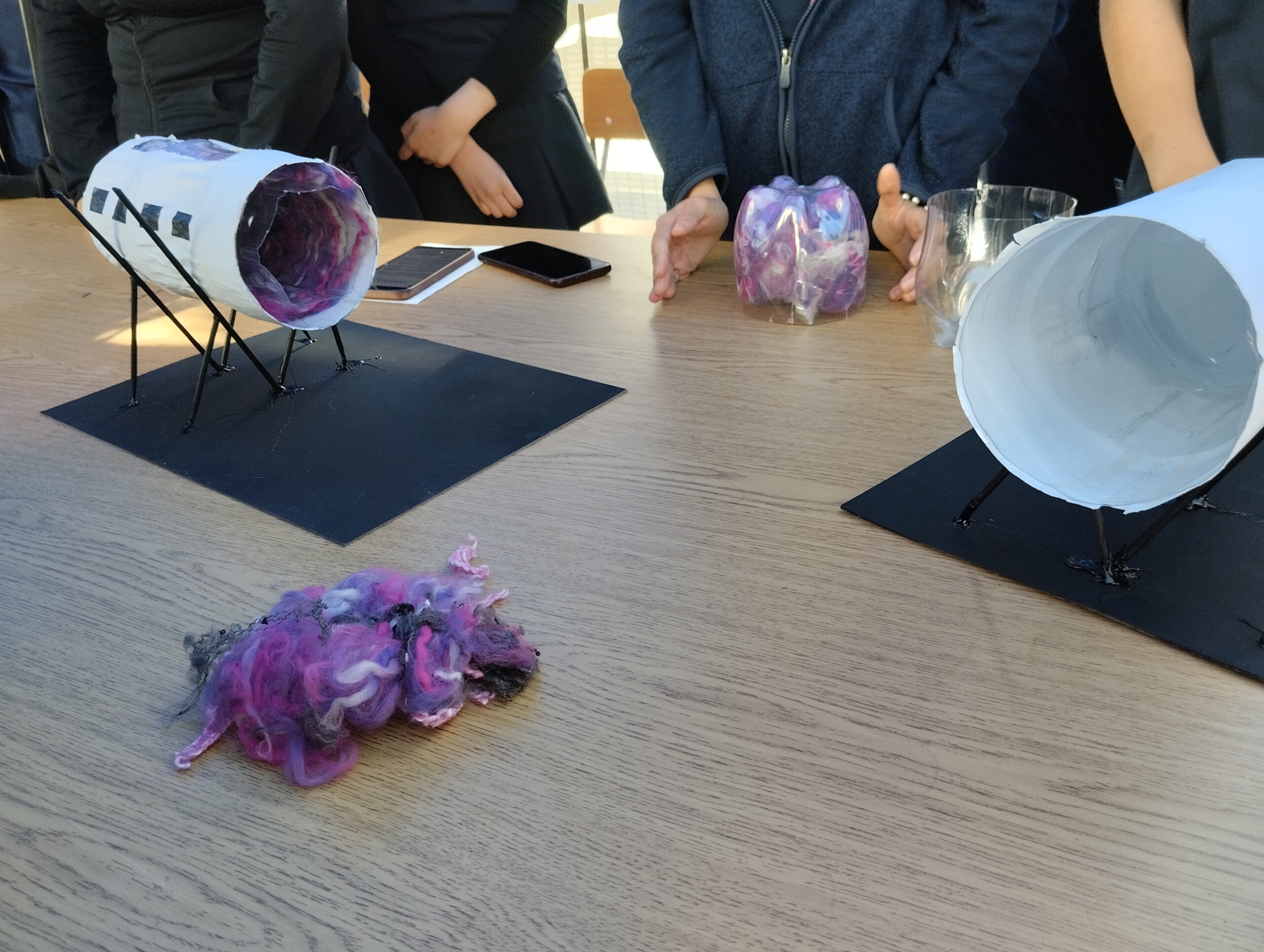
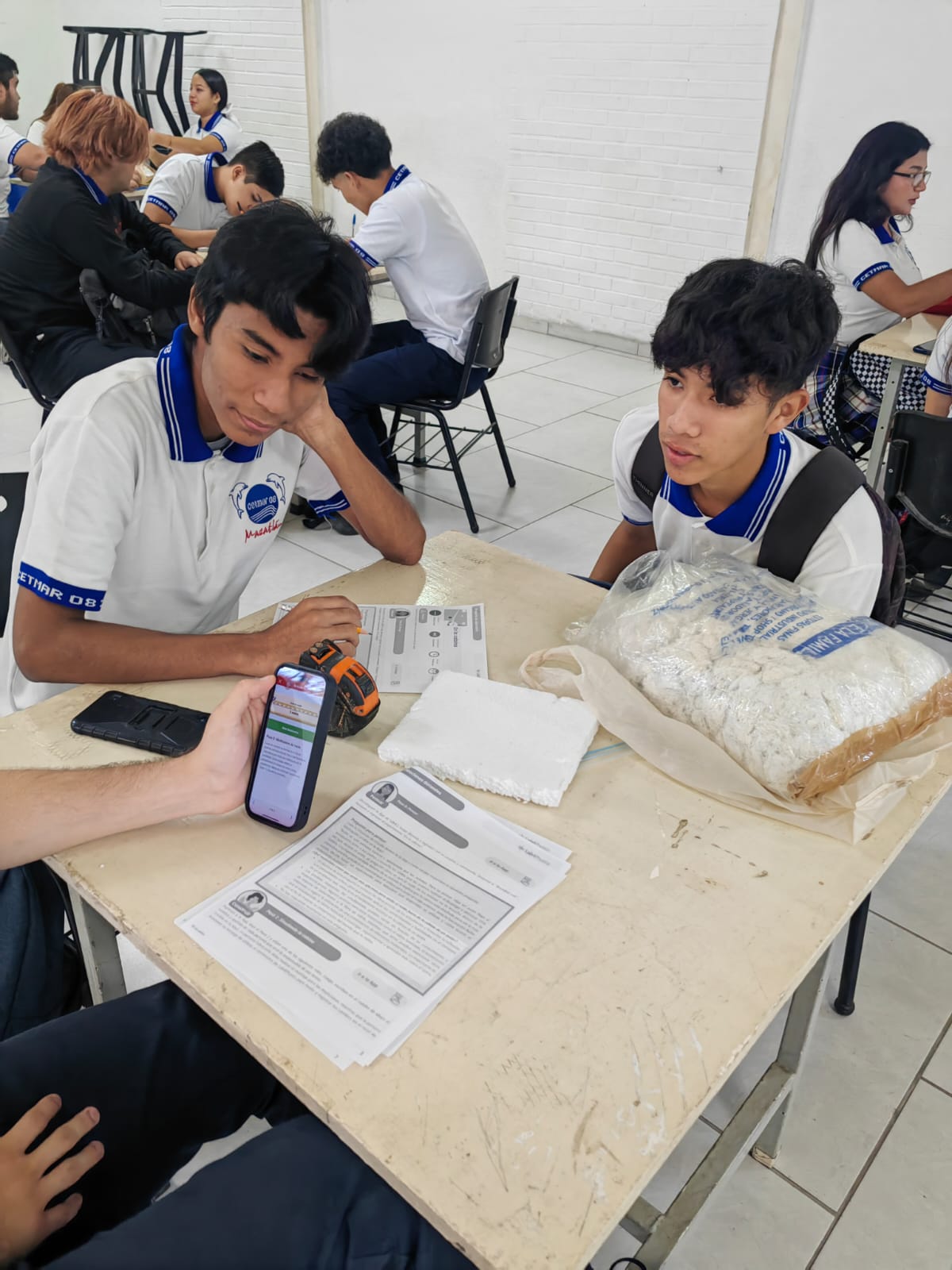
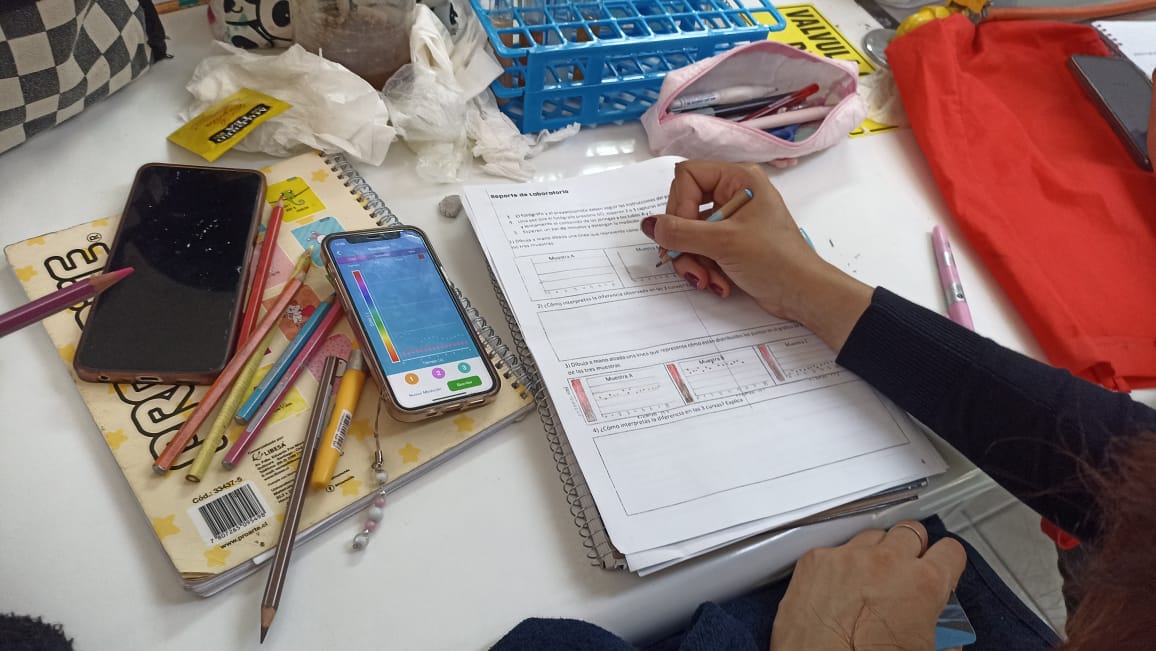
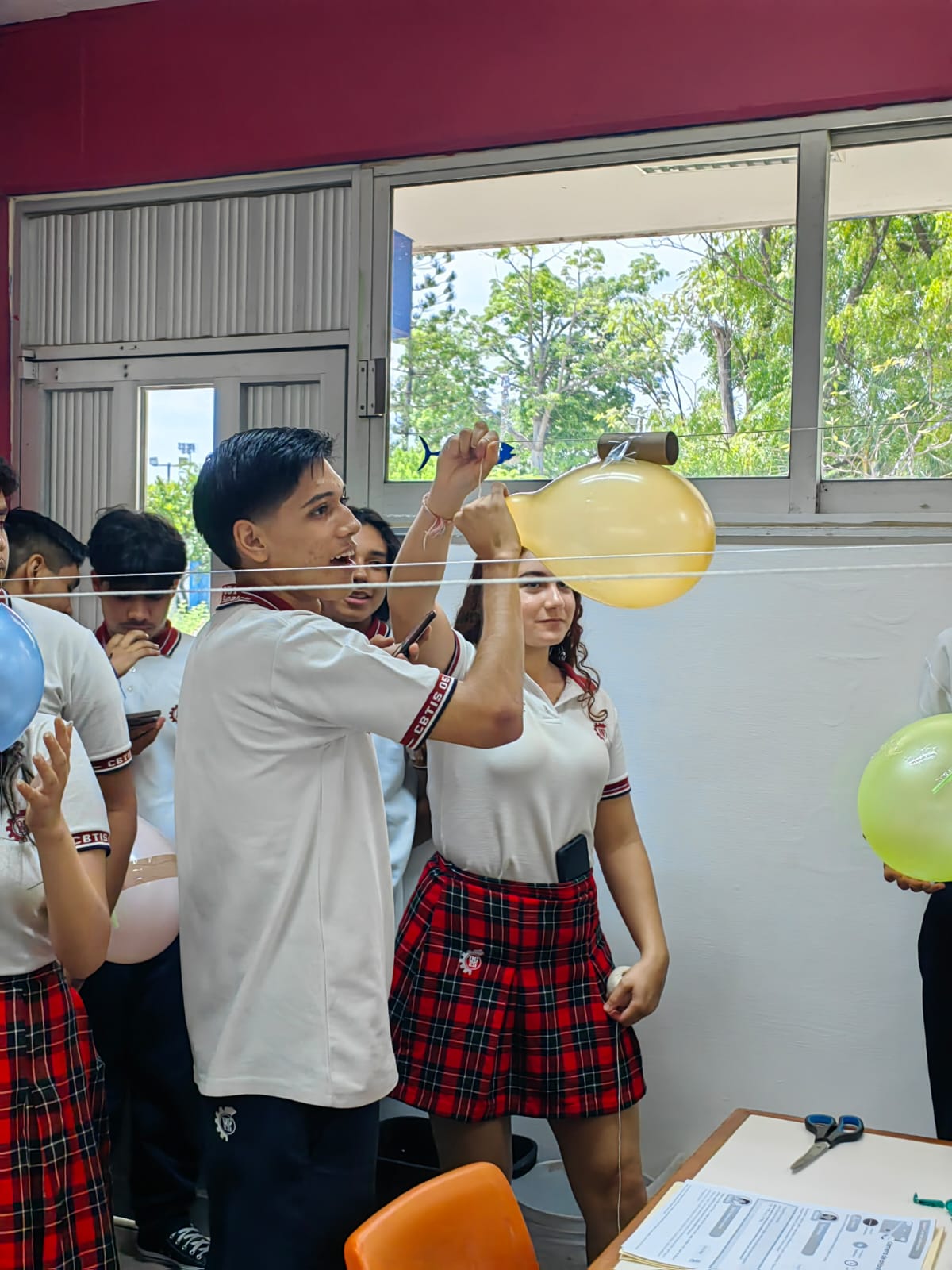
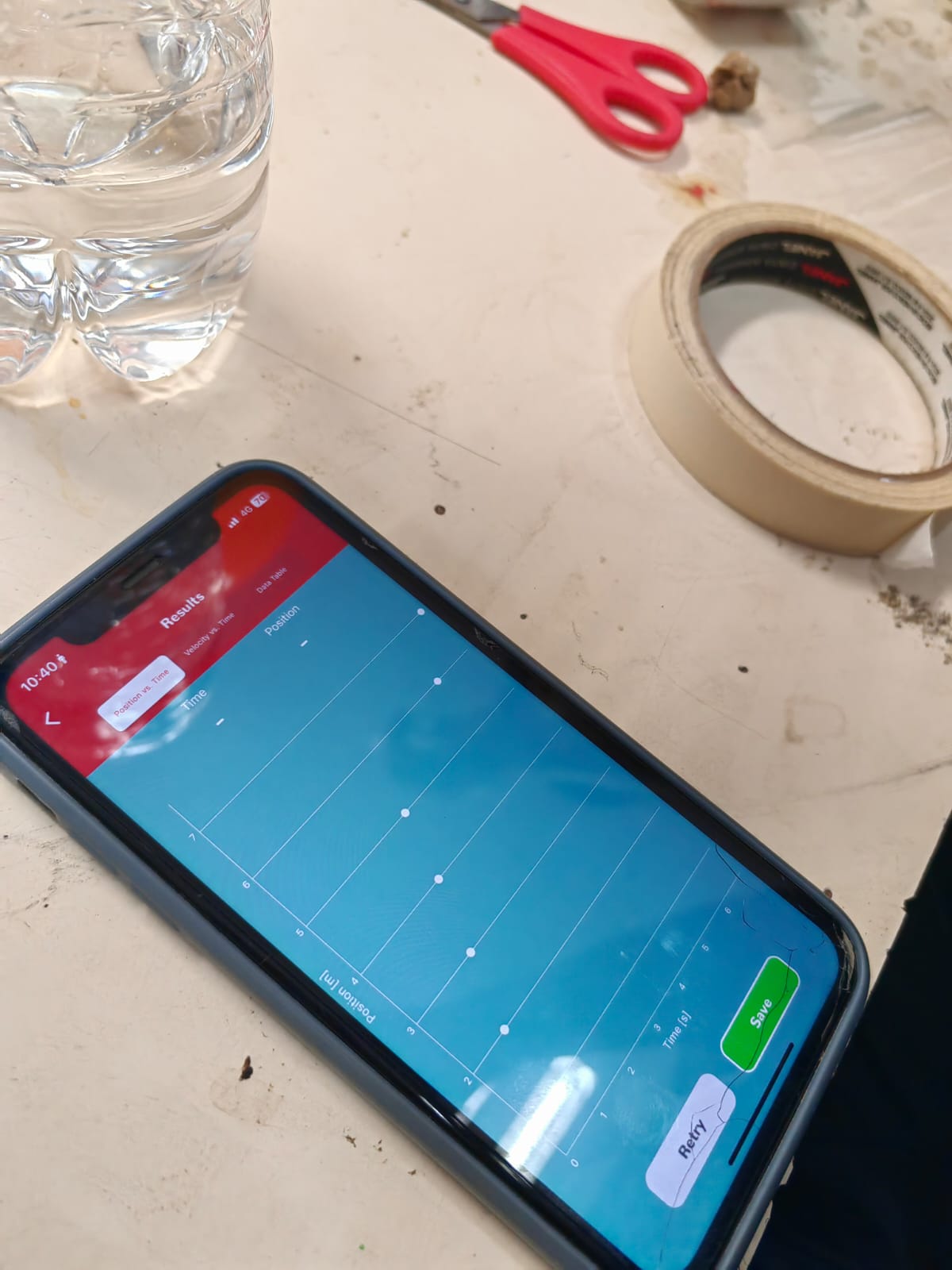
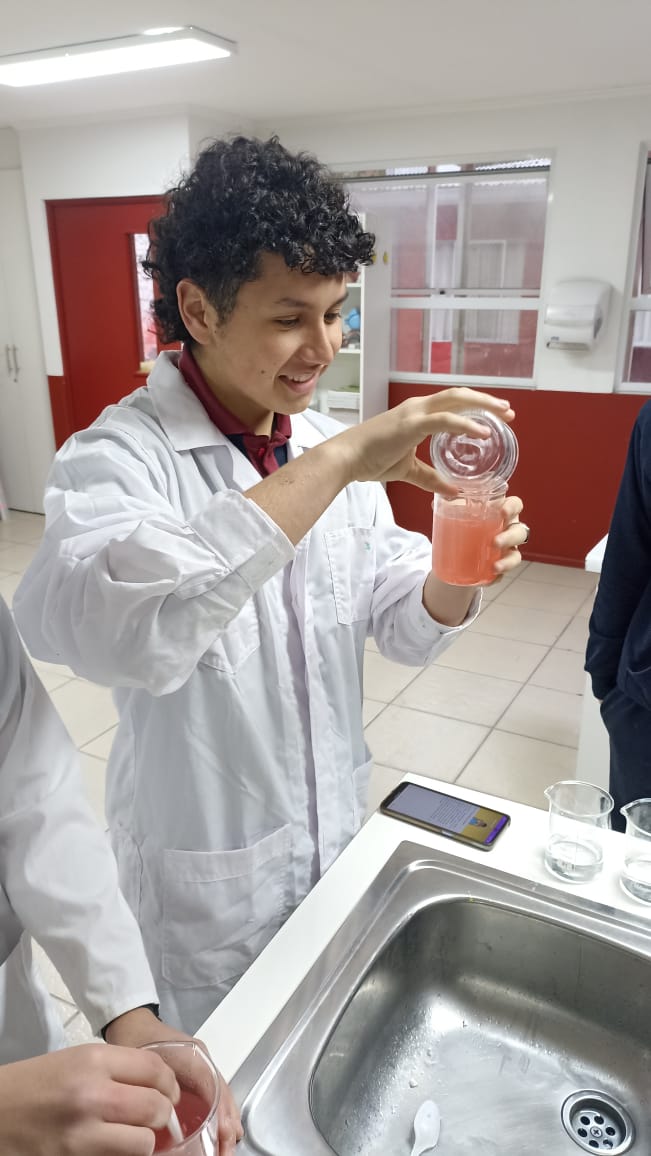
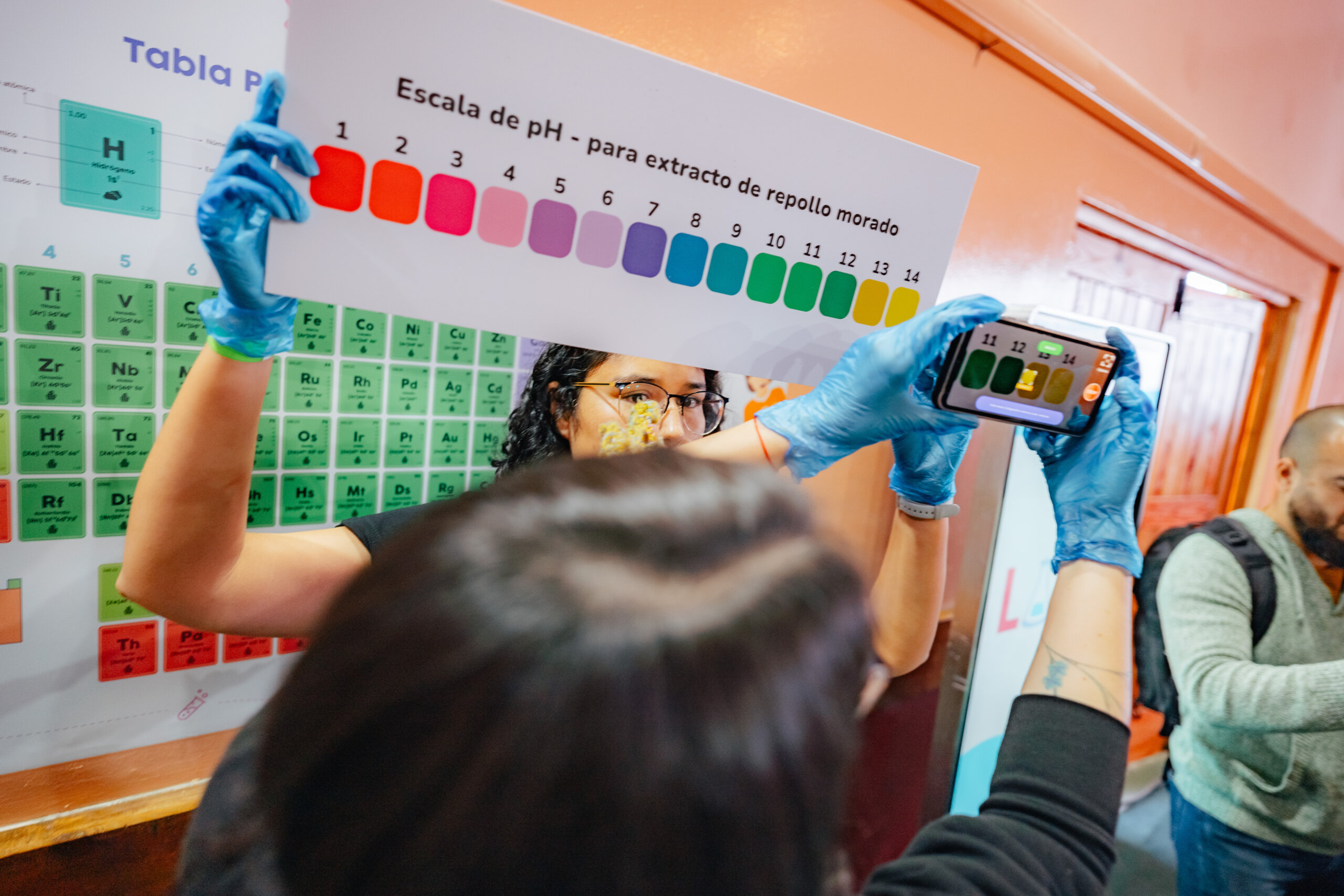
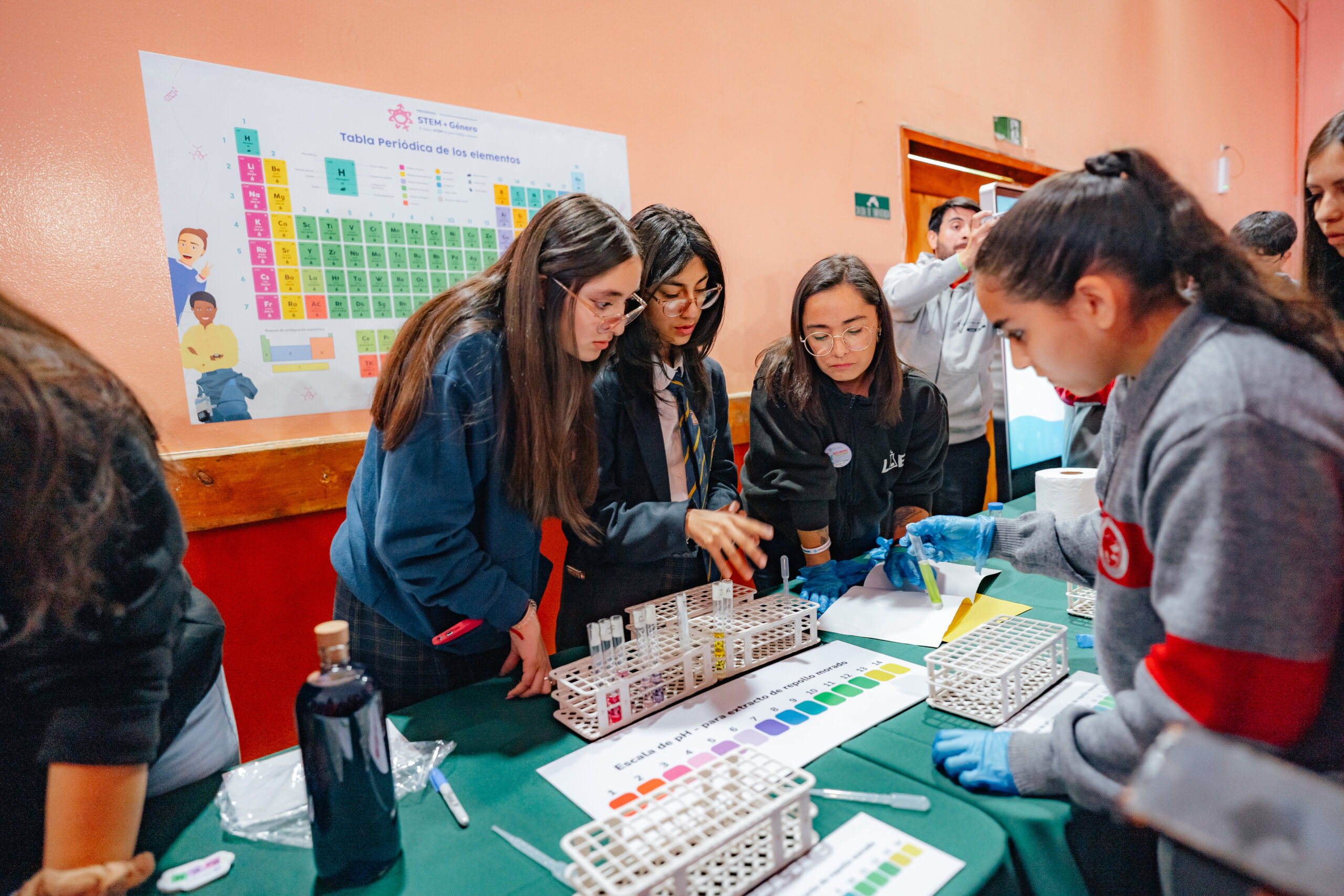
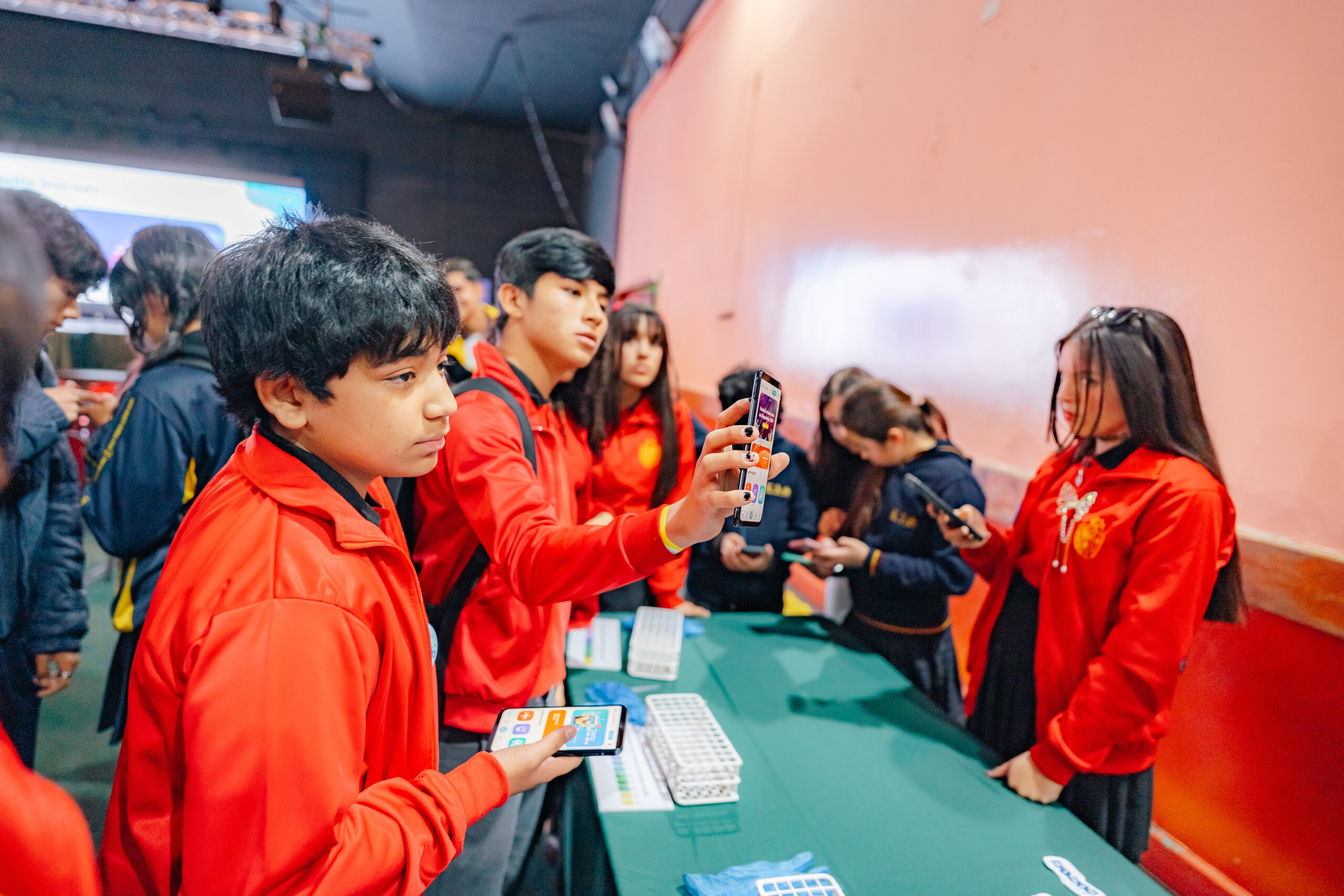
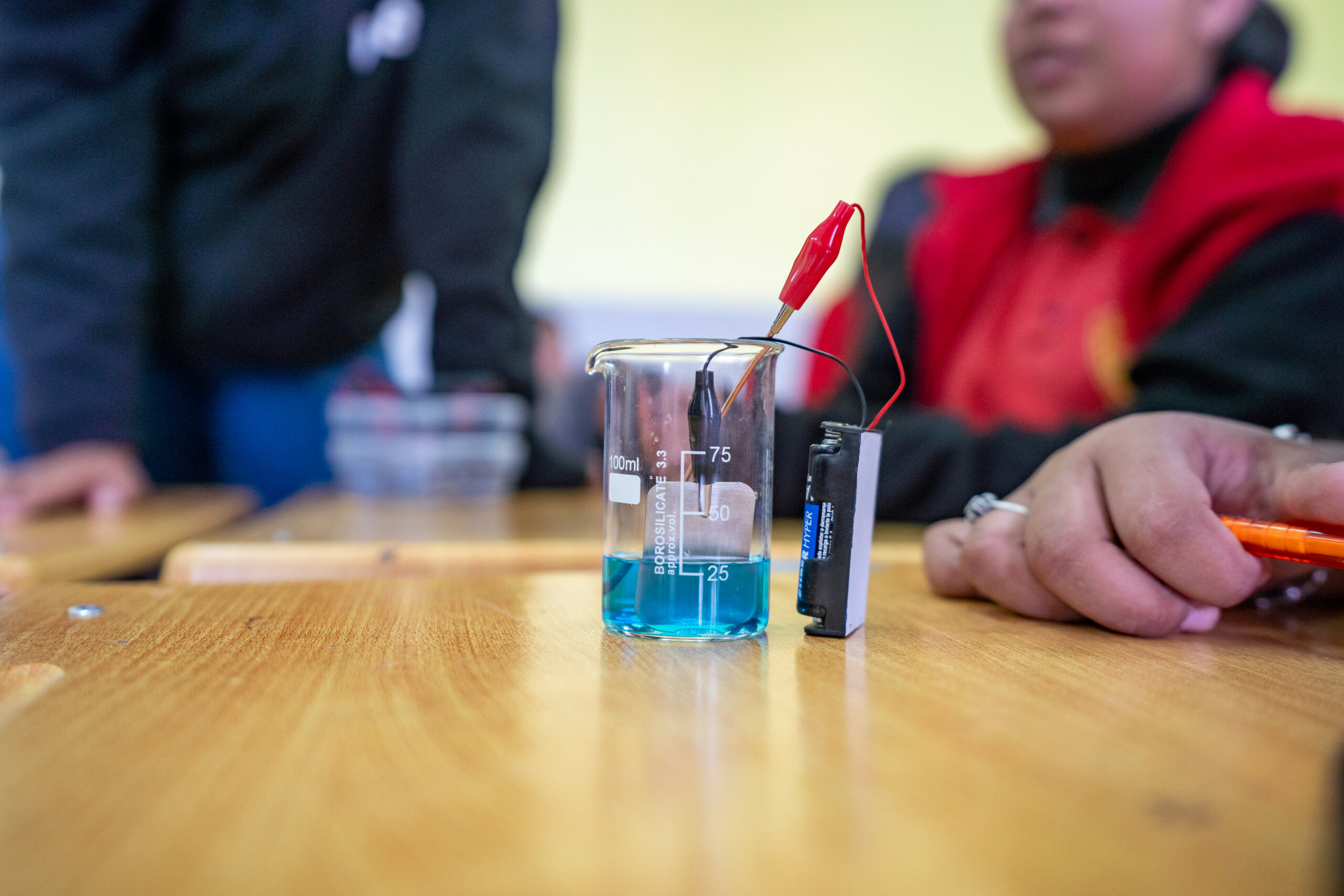
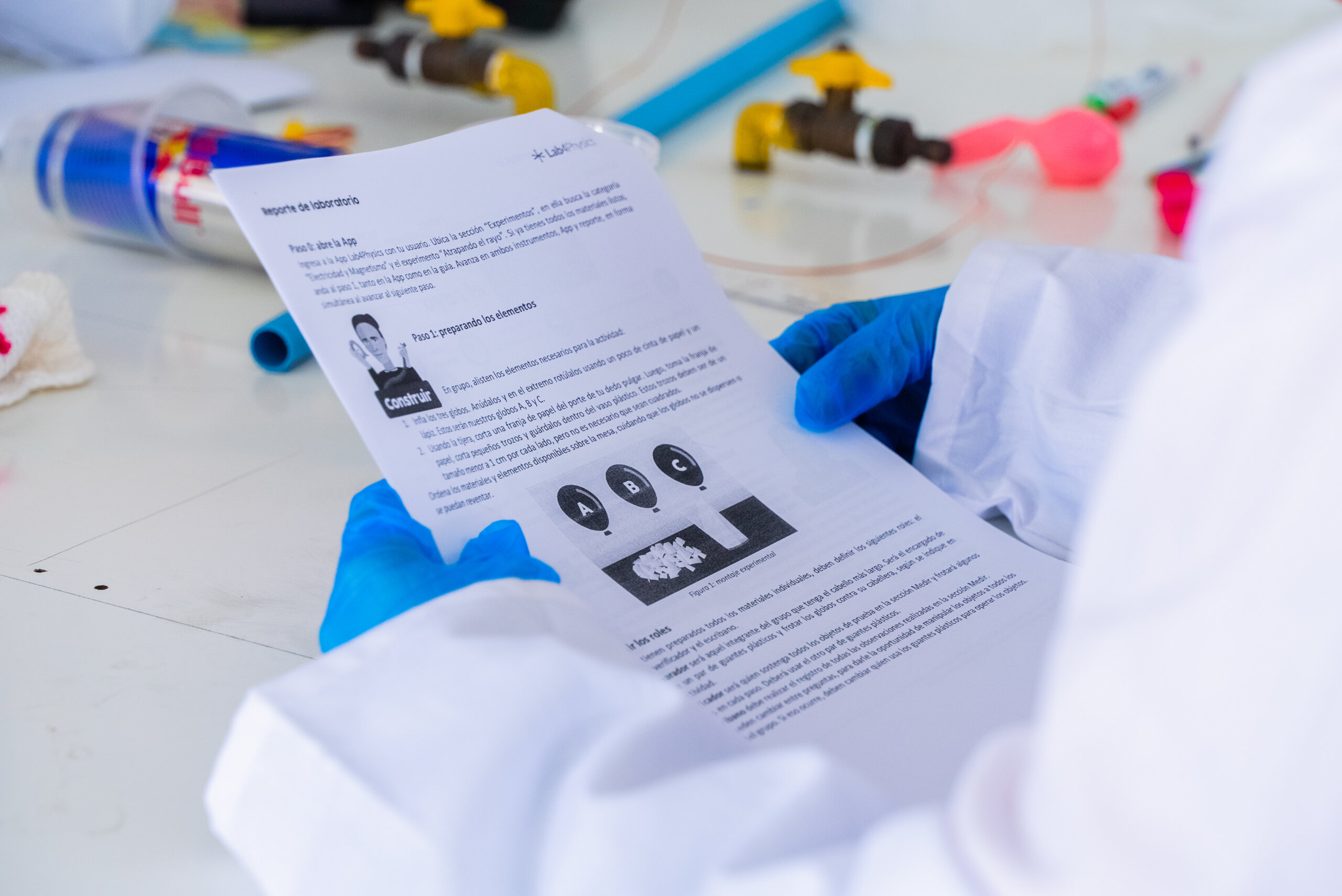
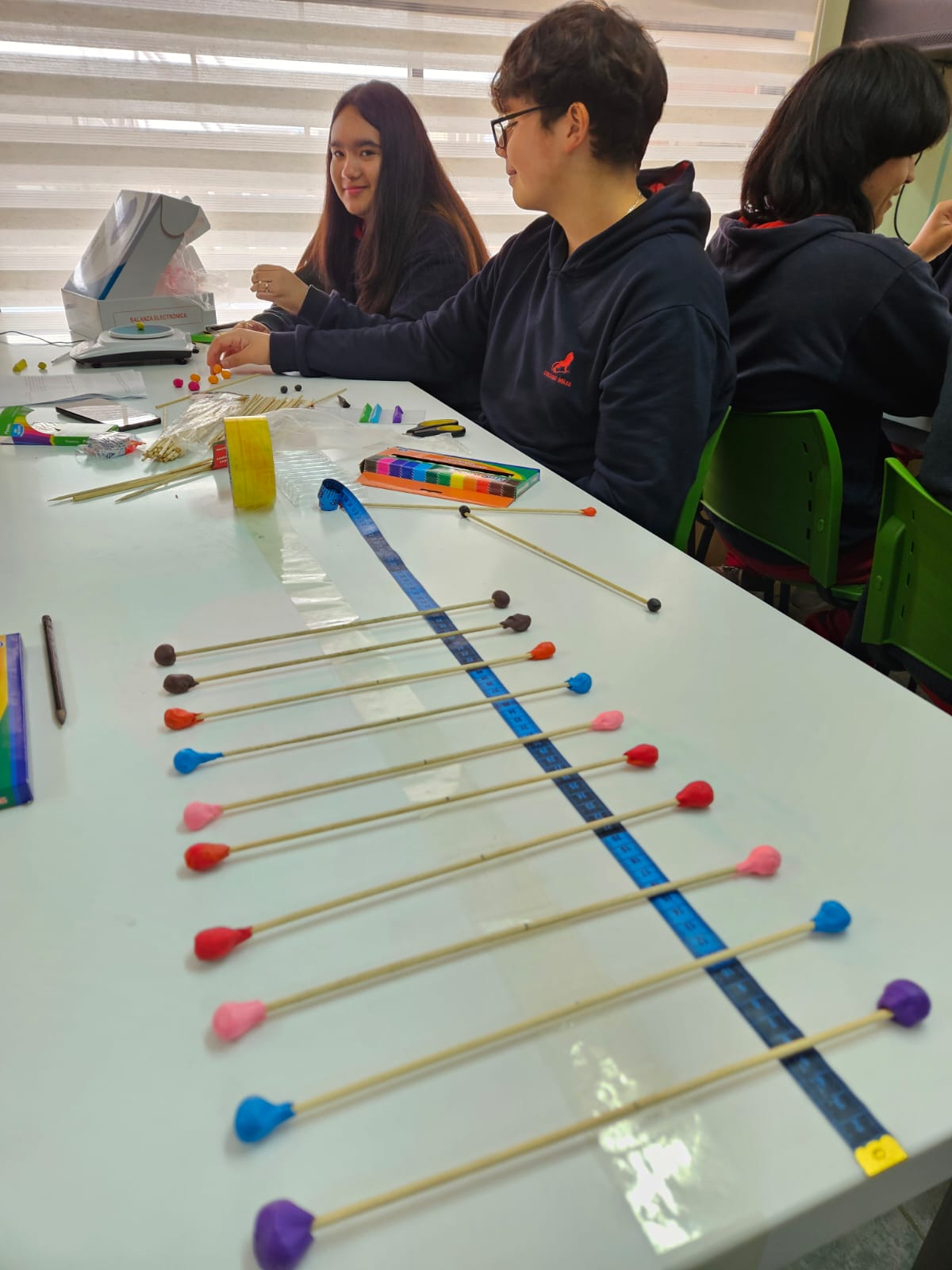
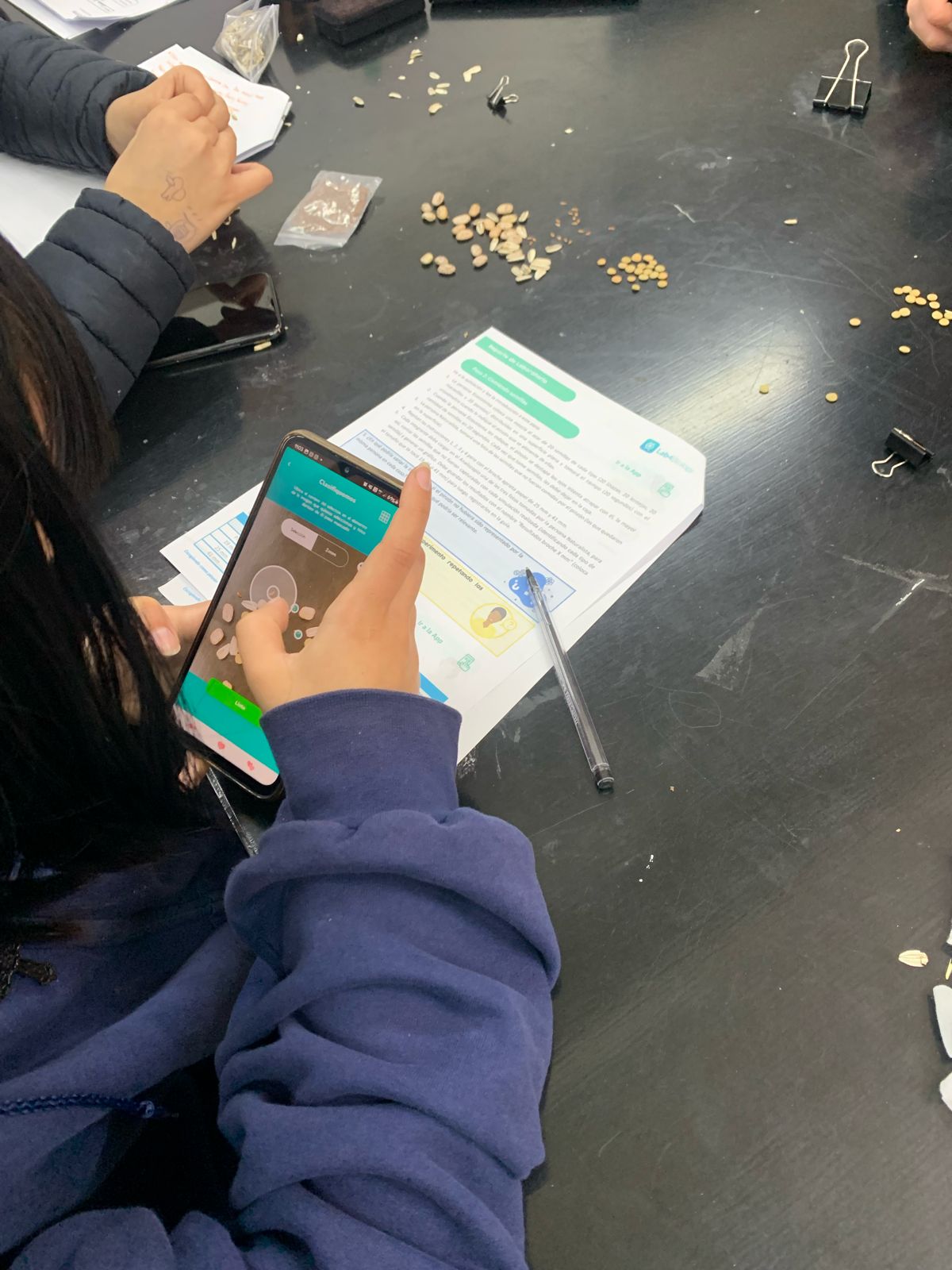
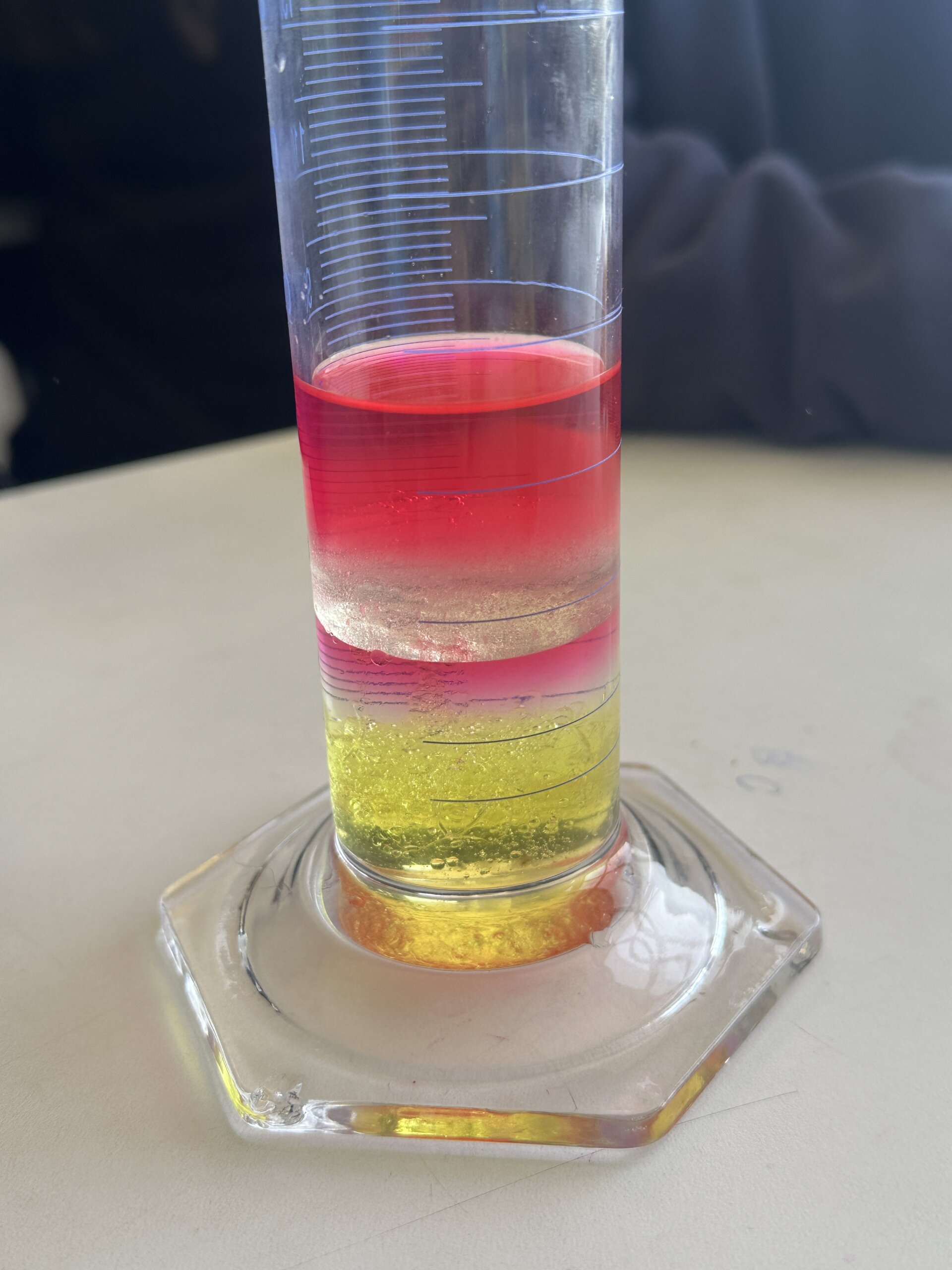
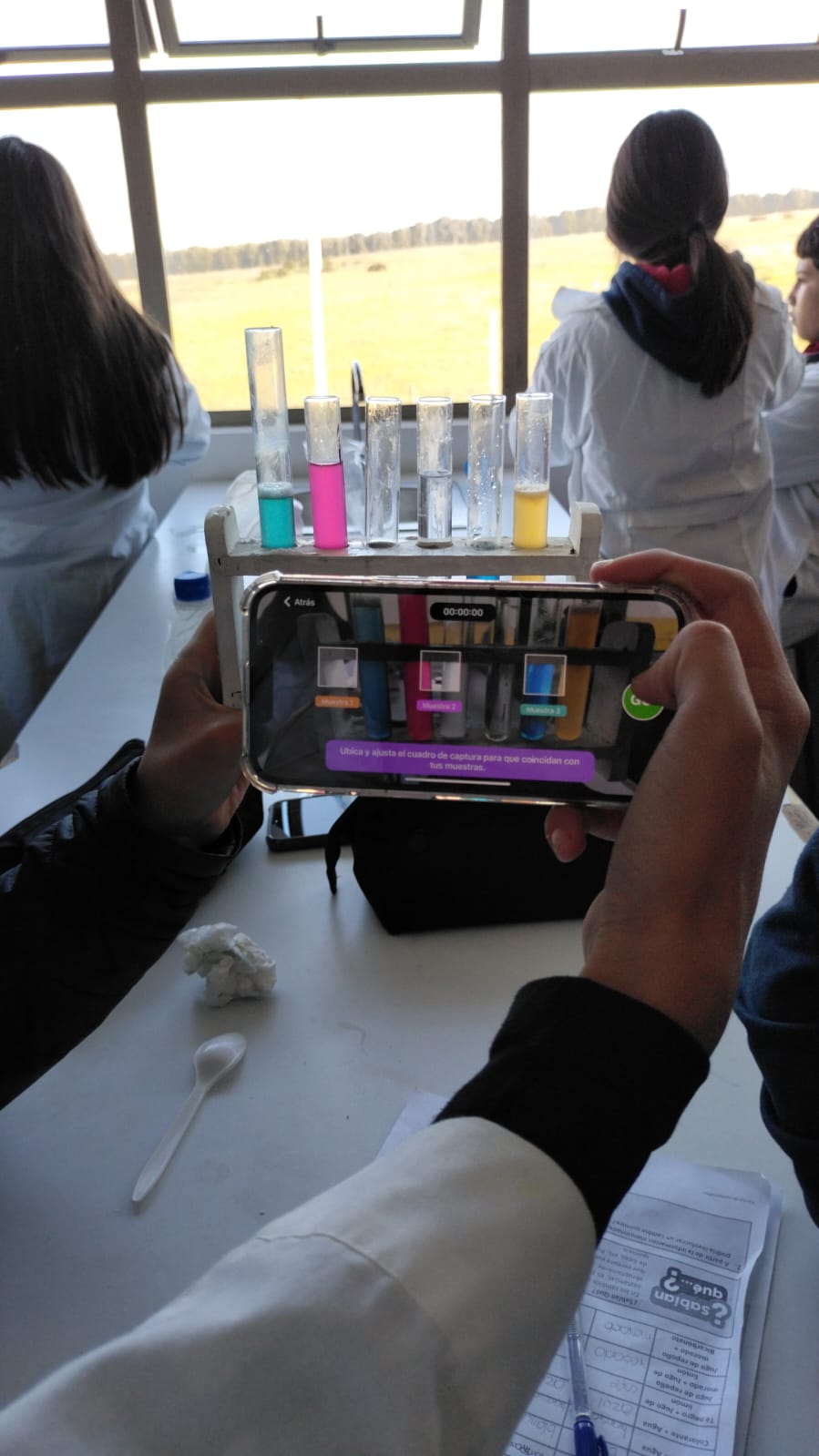
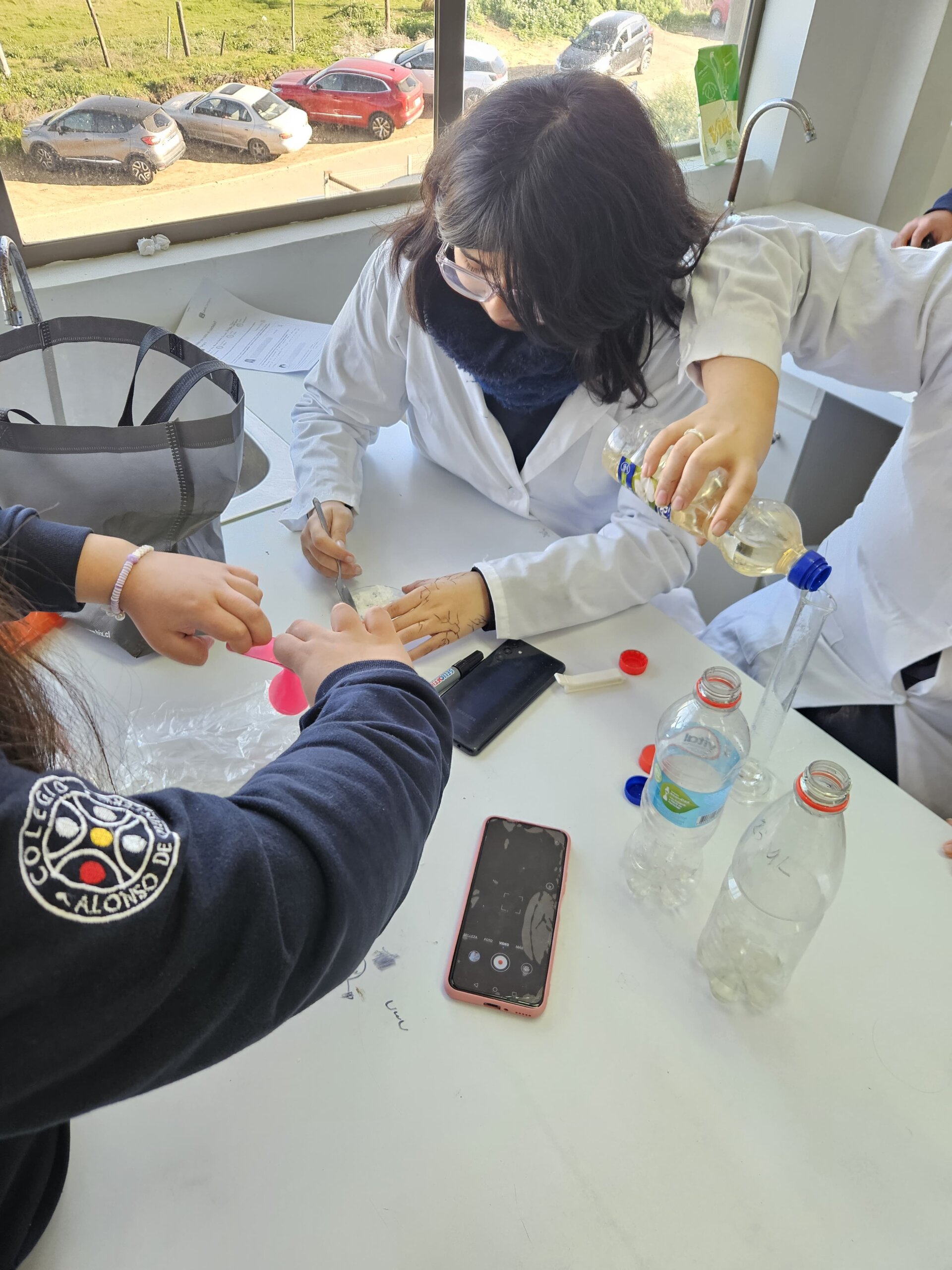
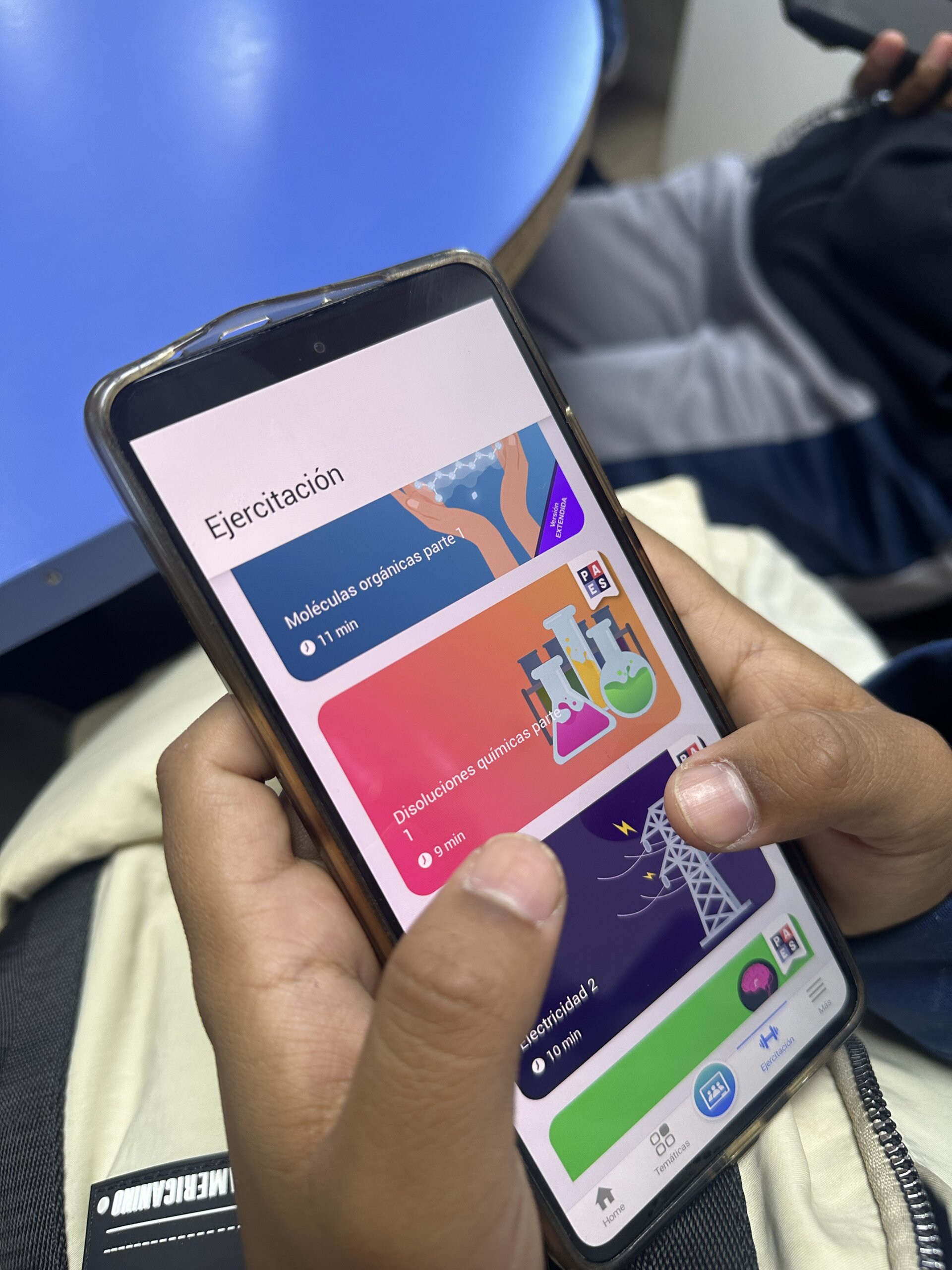
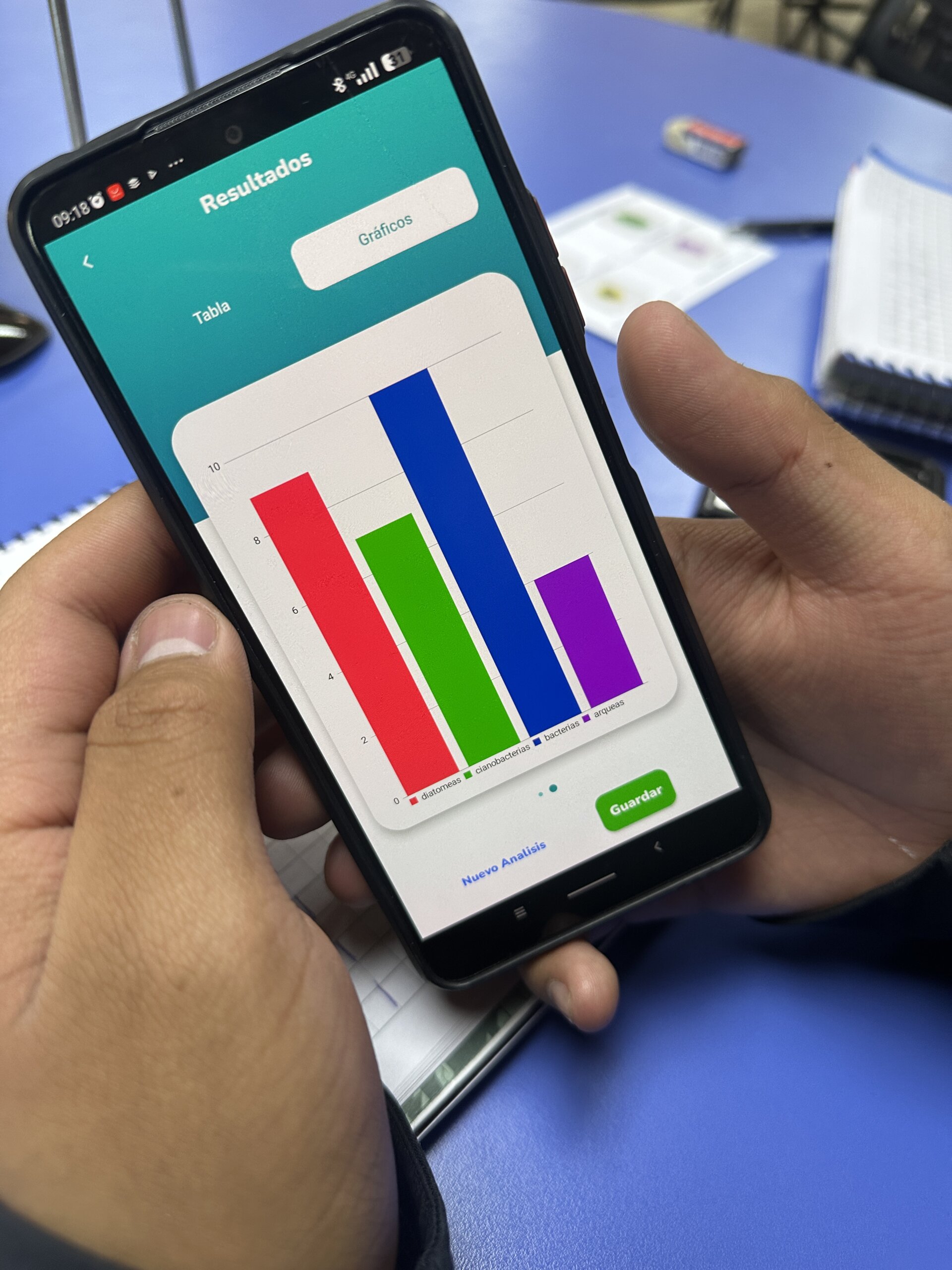
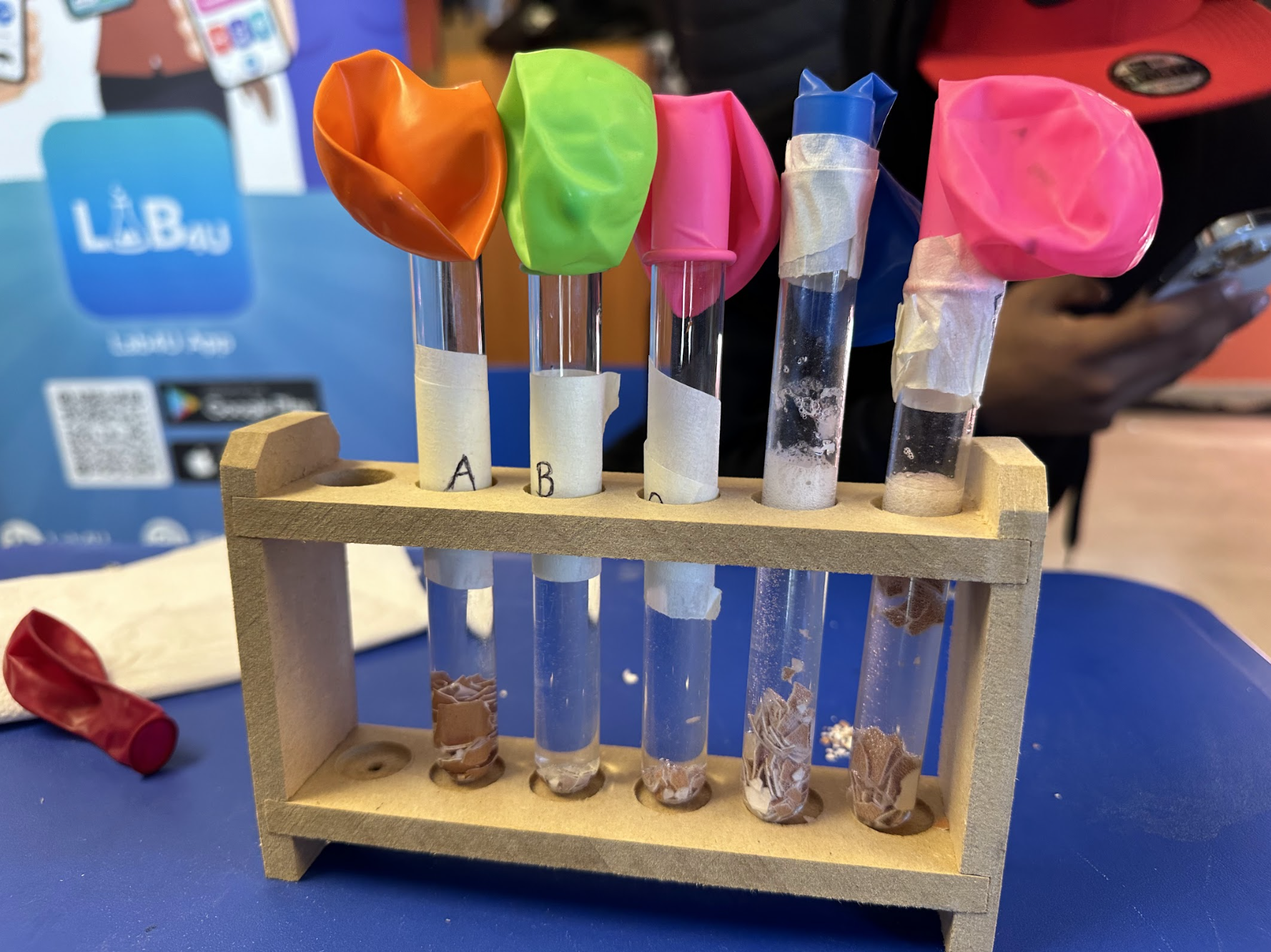
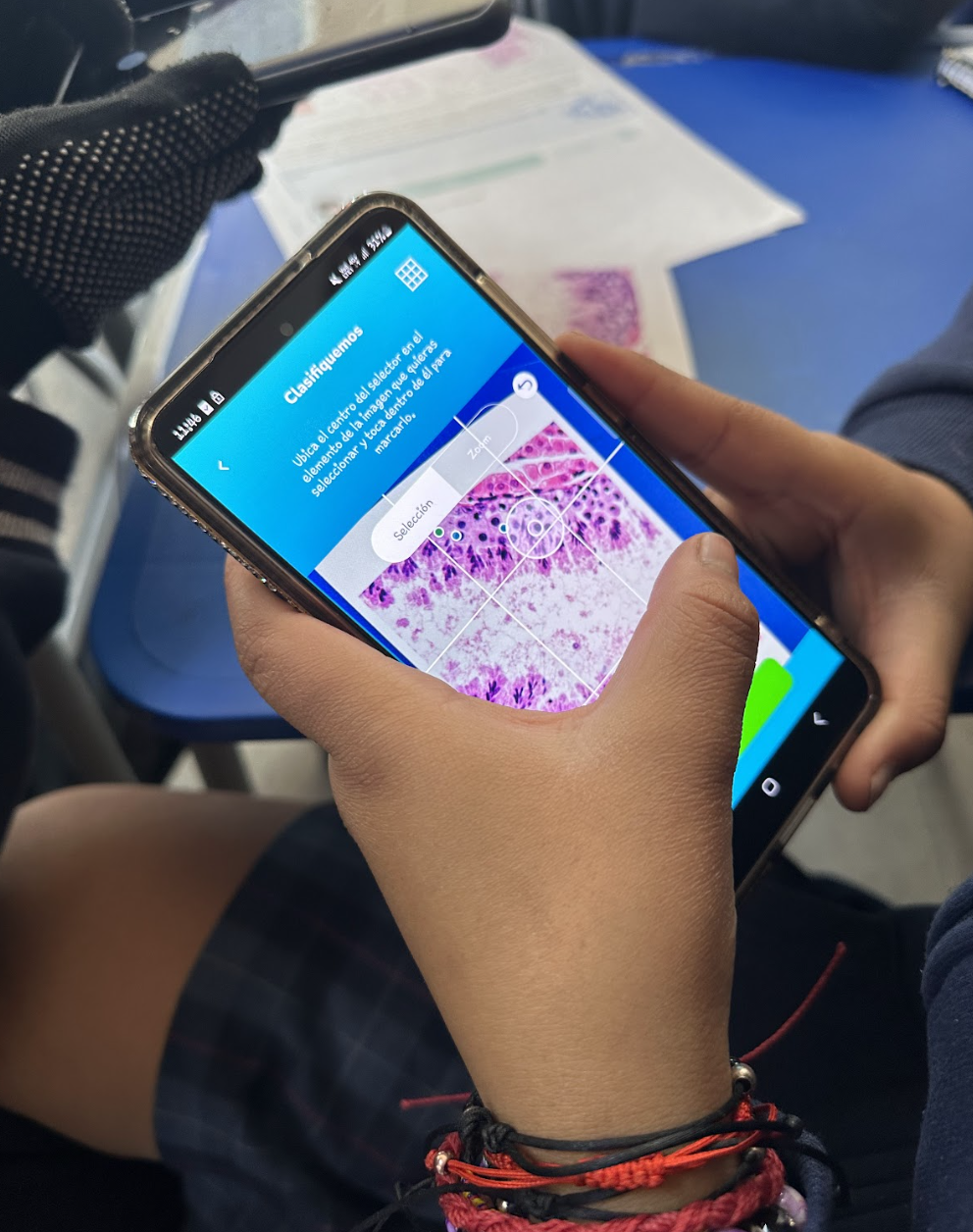
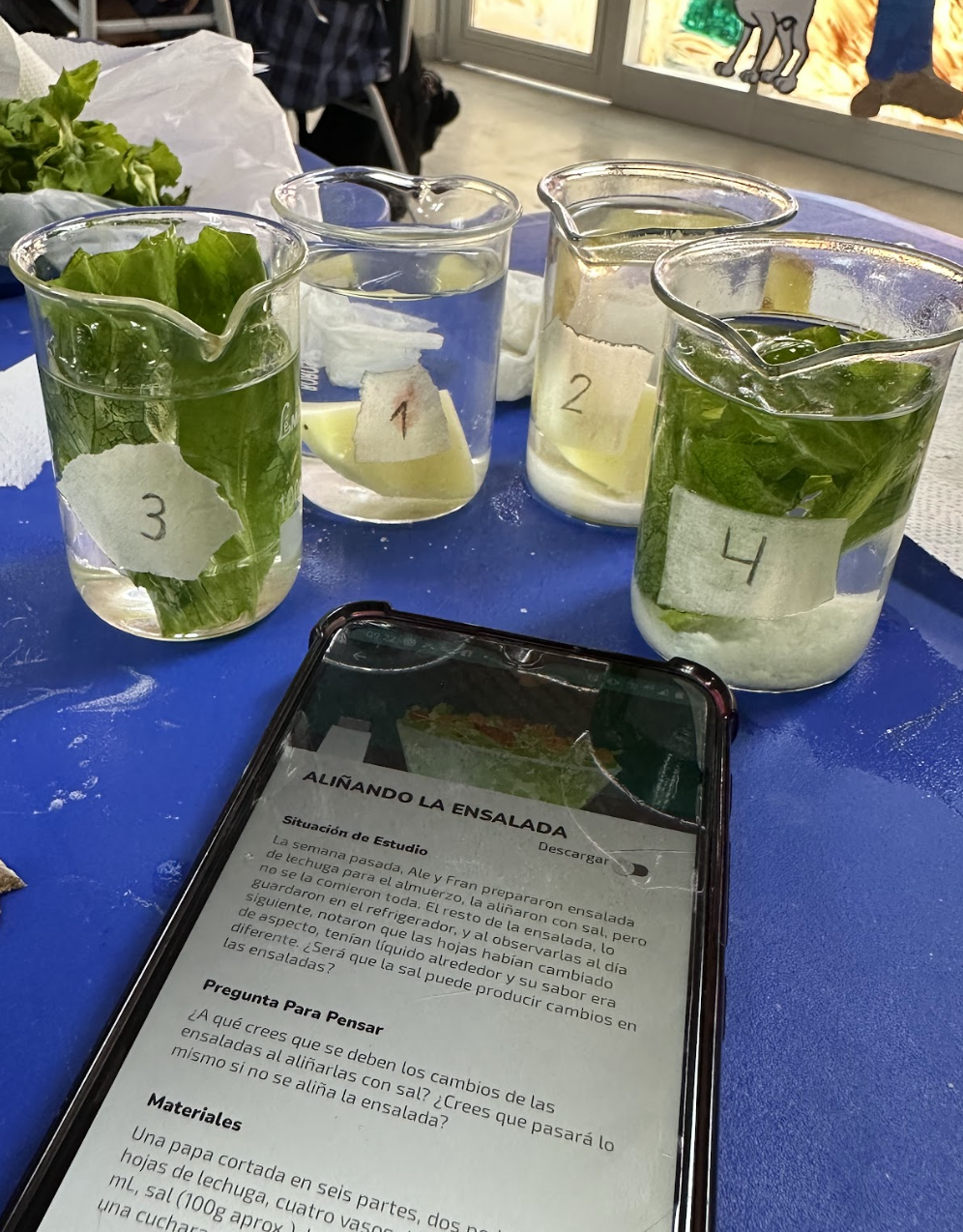
- Students understood concepts better through accessible experiments
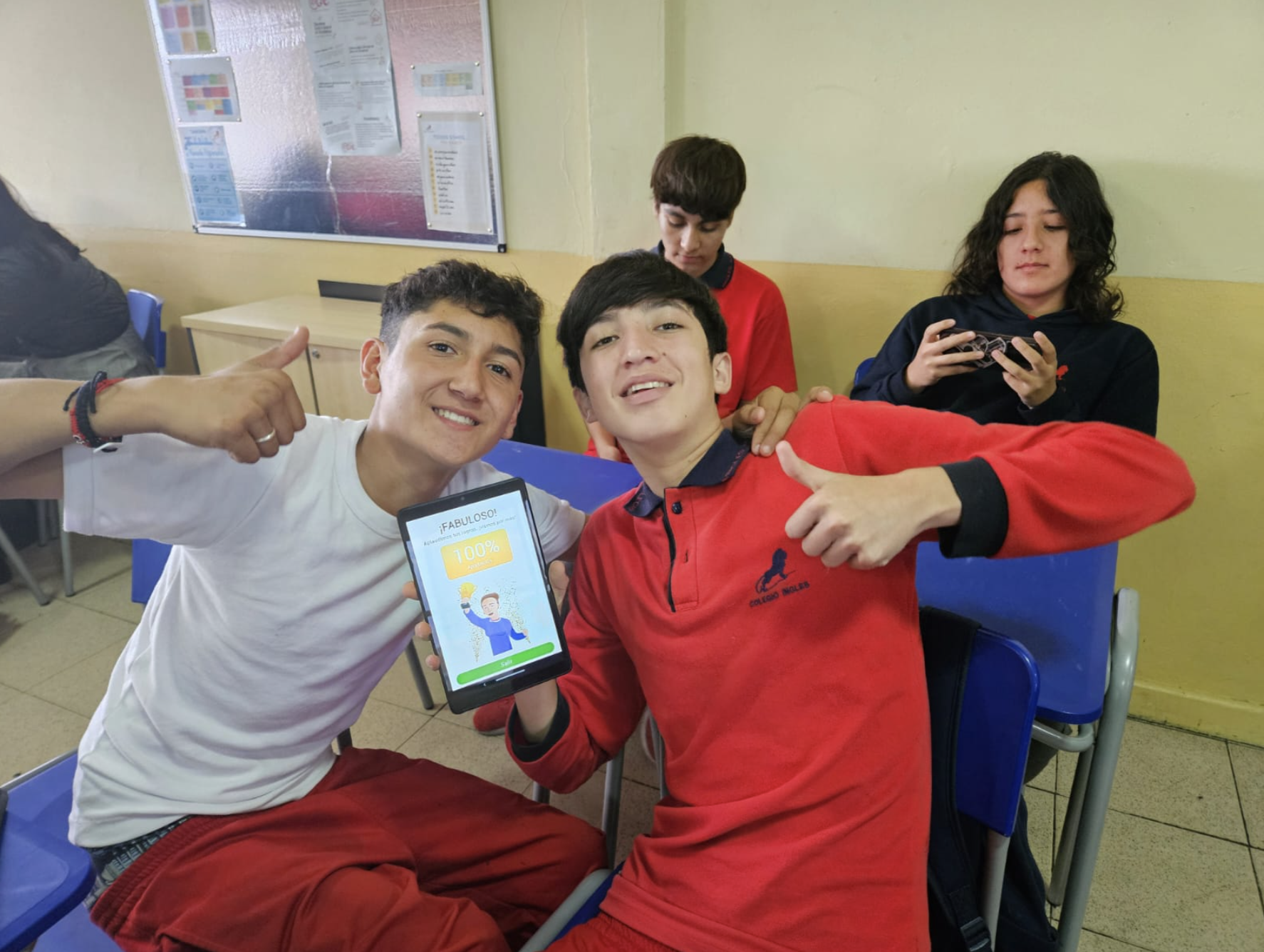
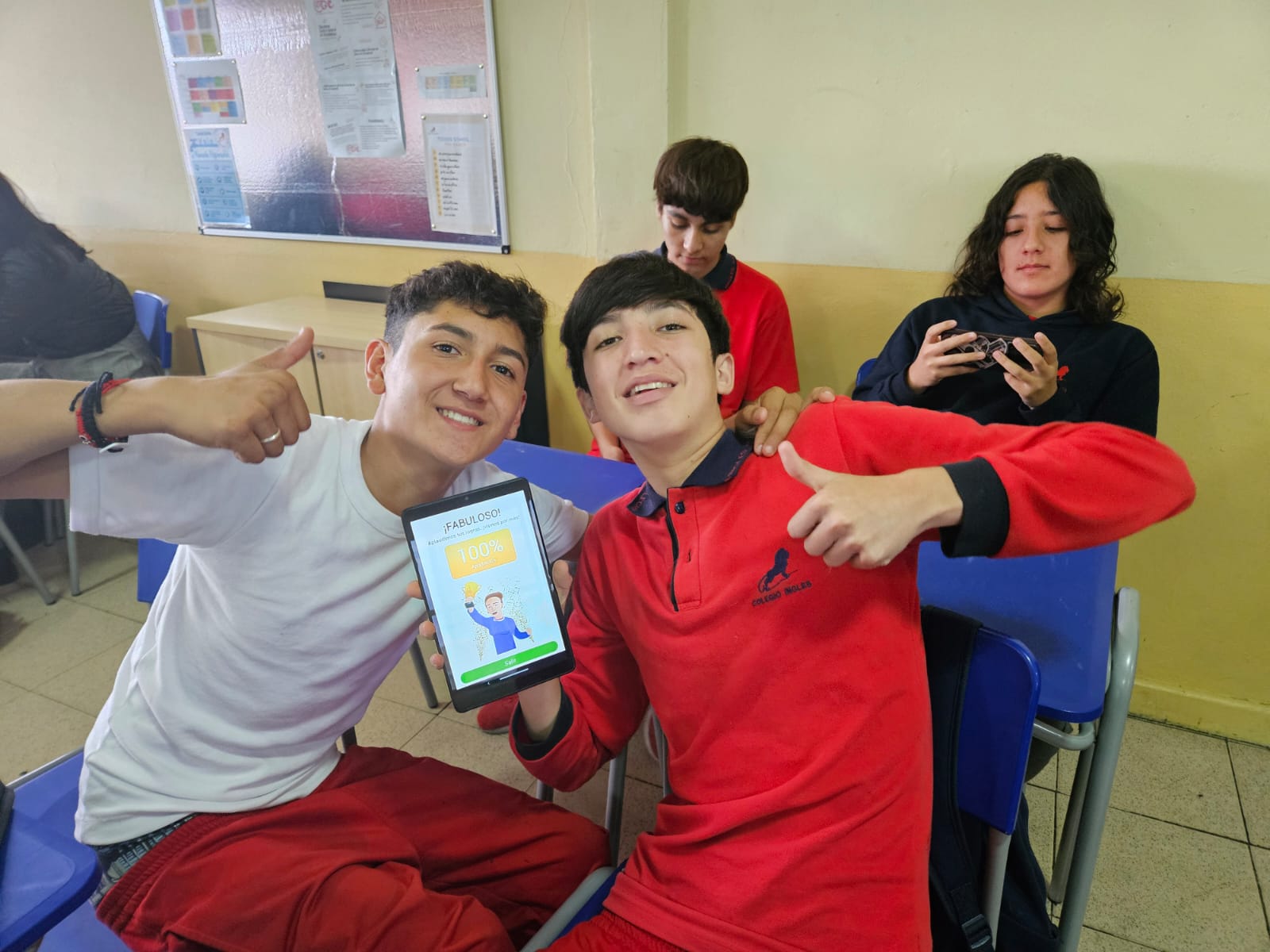
- Motivation increased sustainably
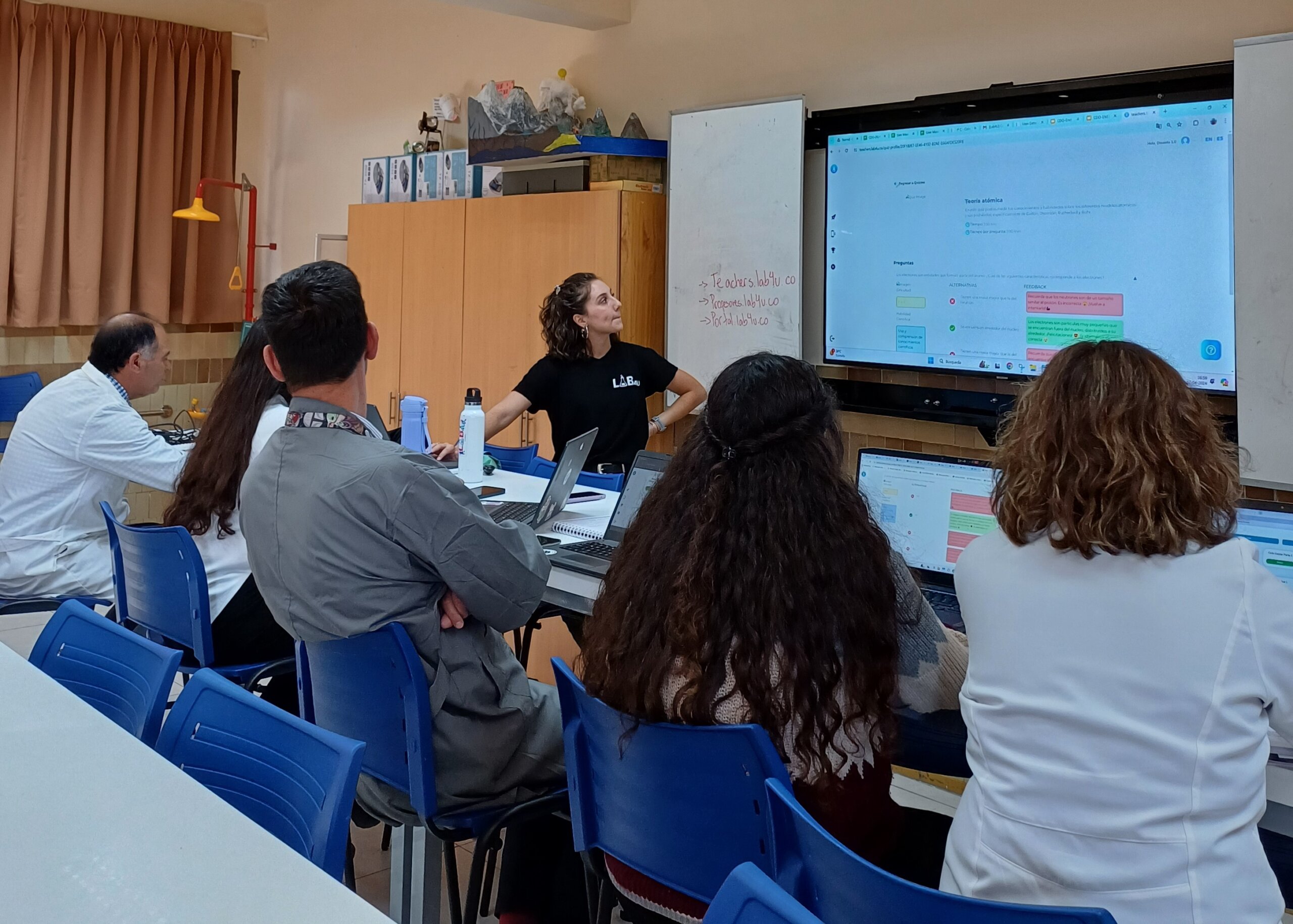
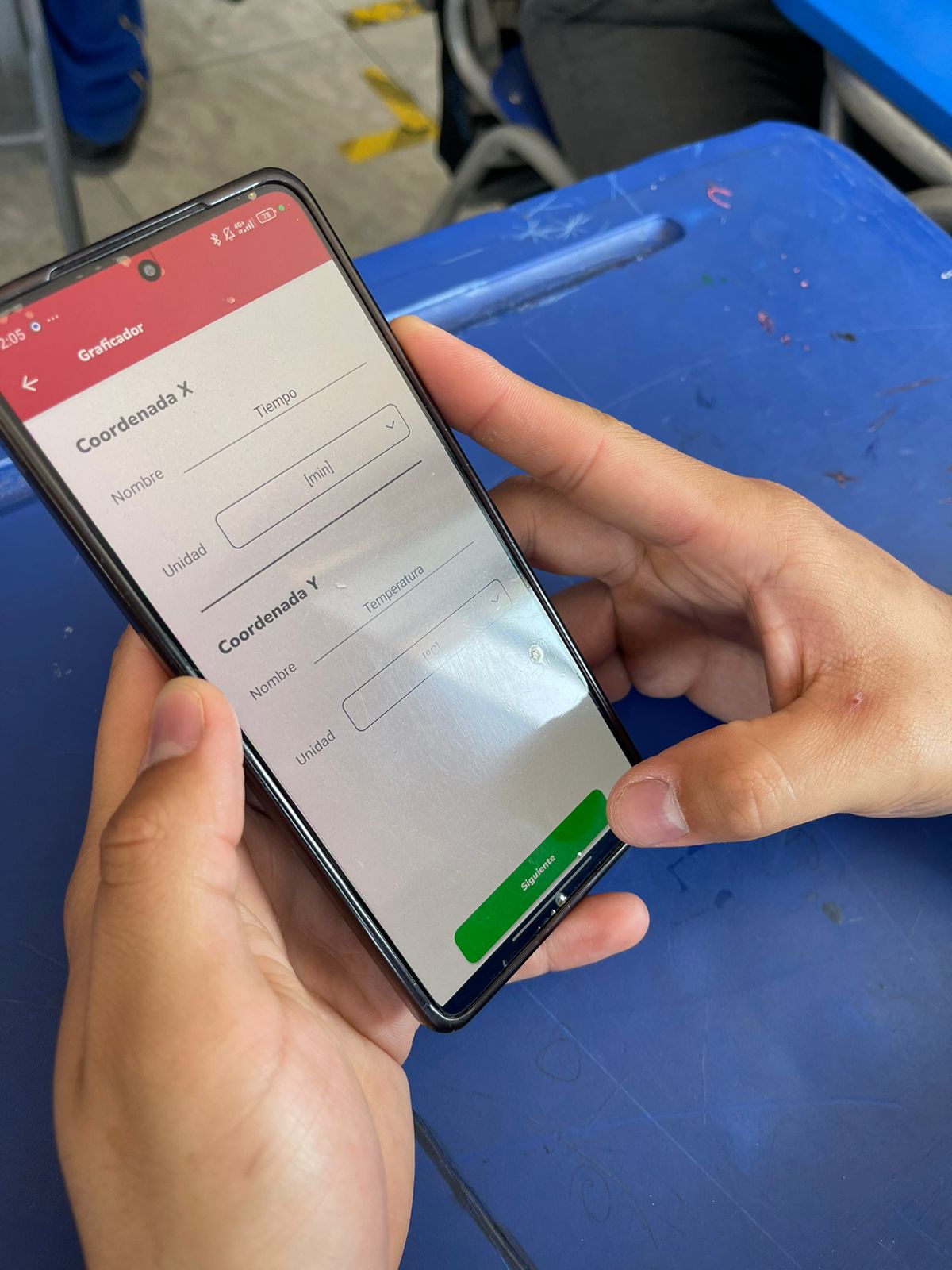
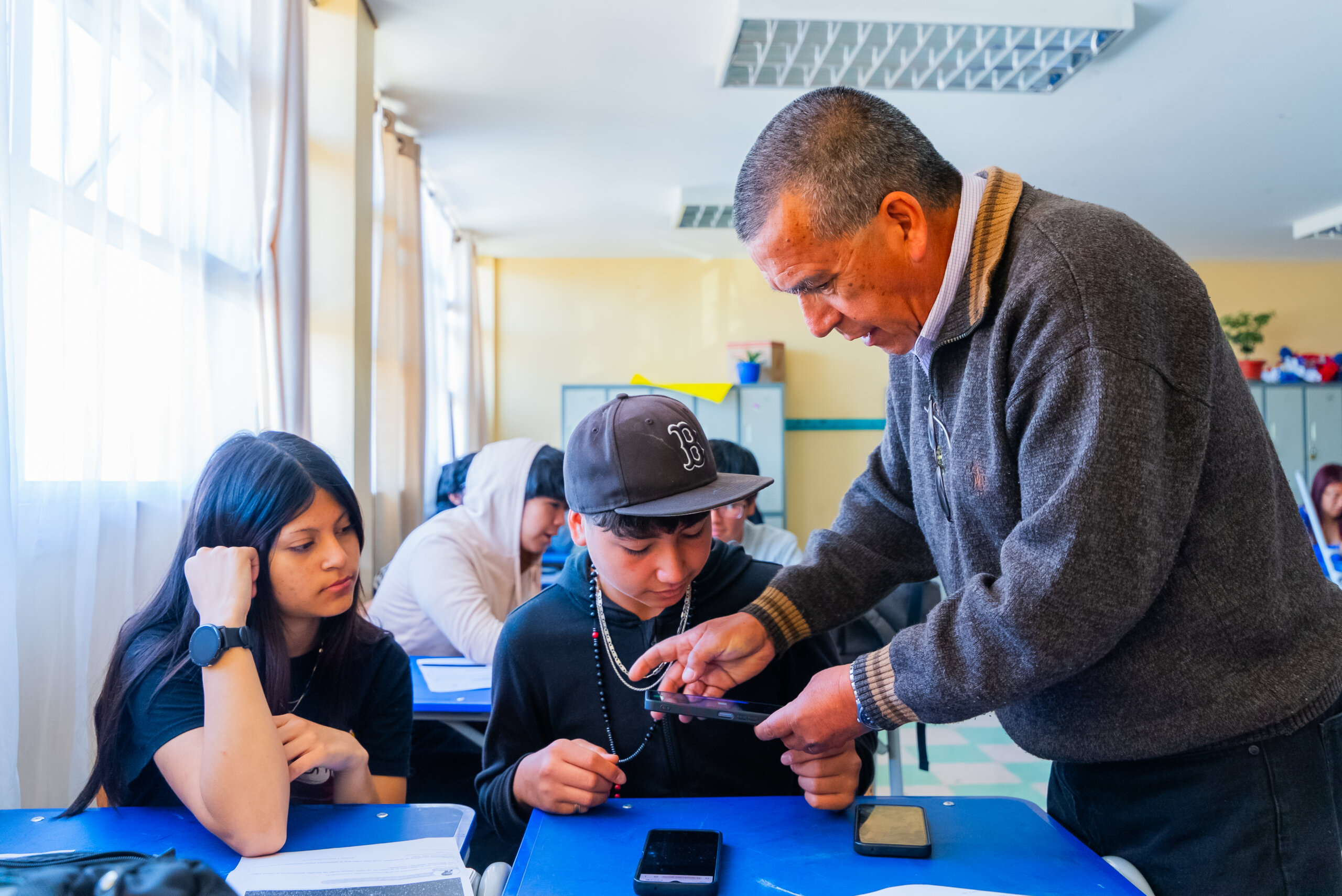
- Teachers had tools that reduced workload and improved feedback
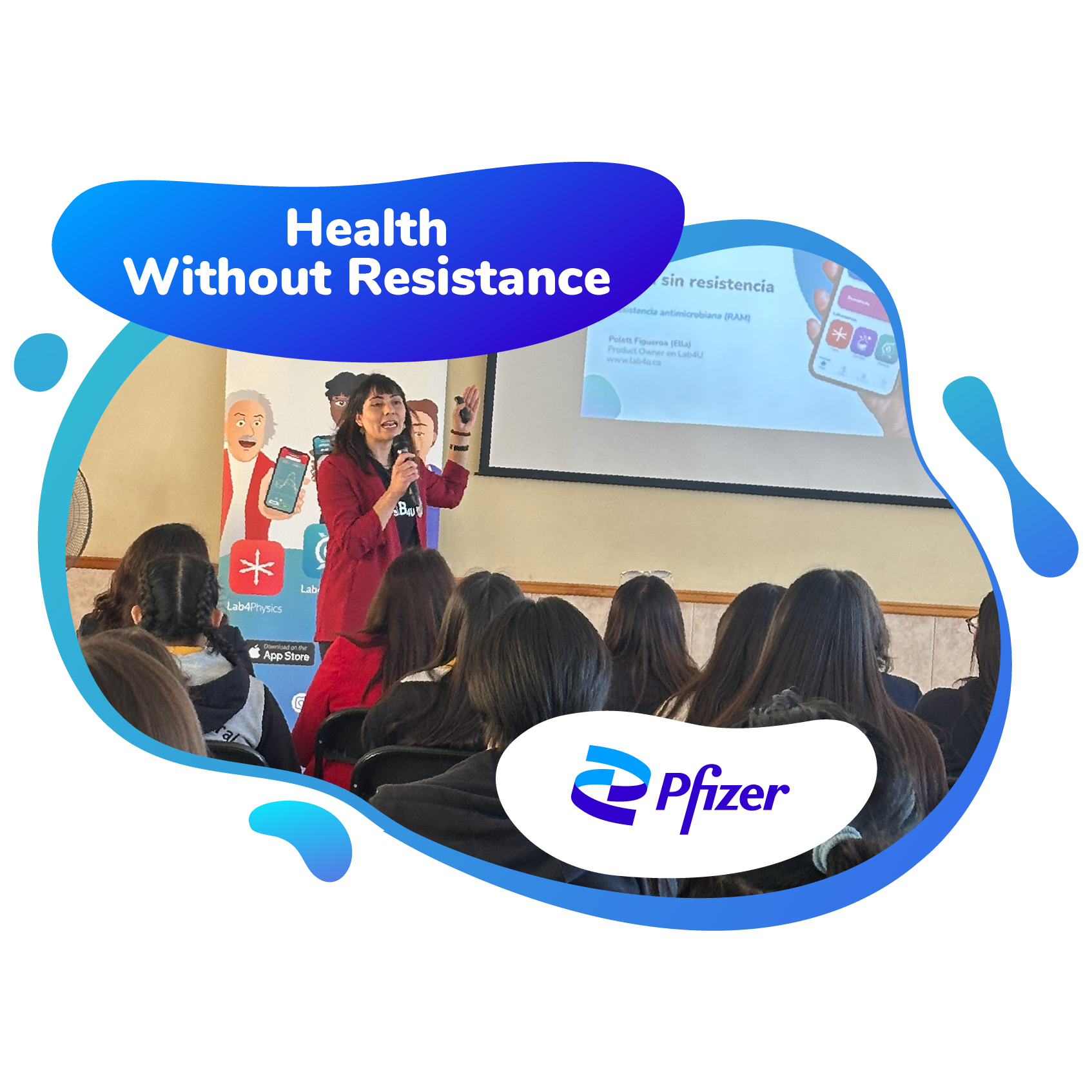
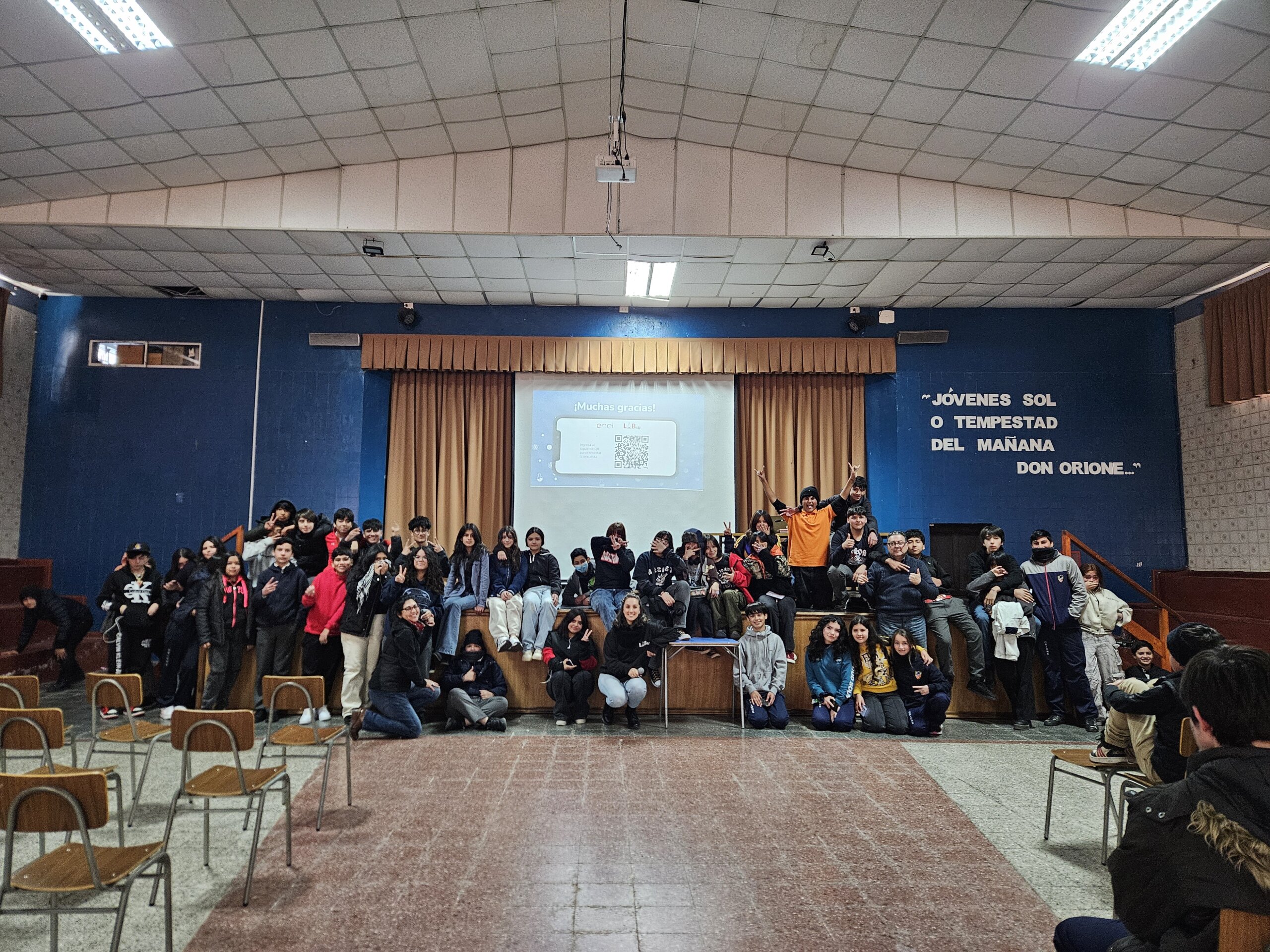
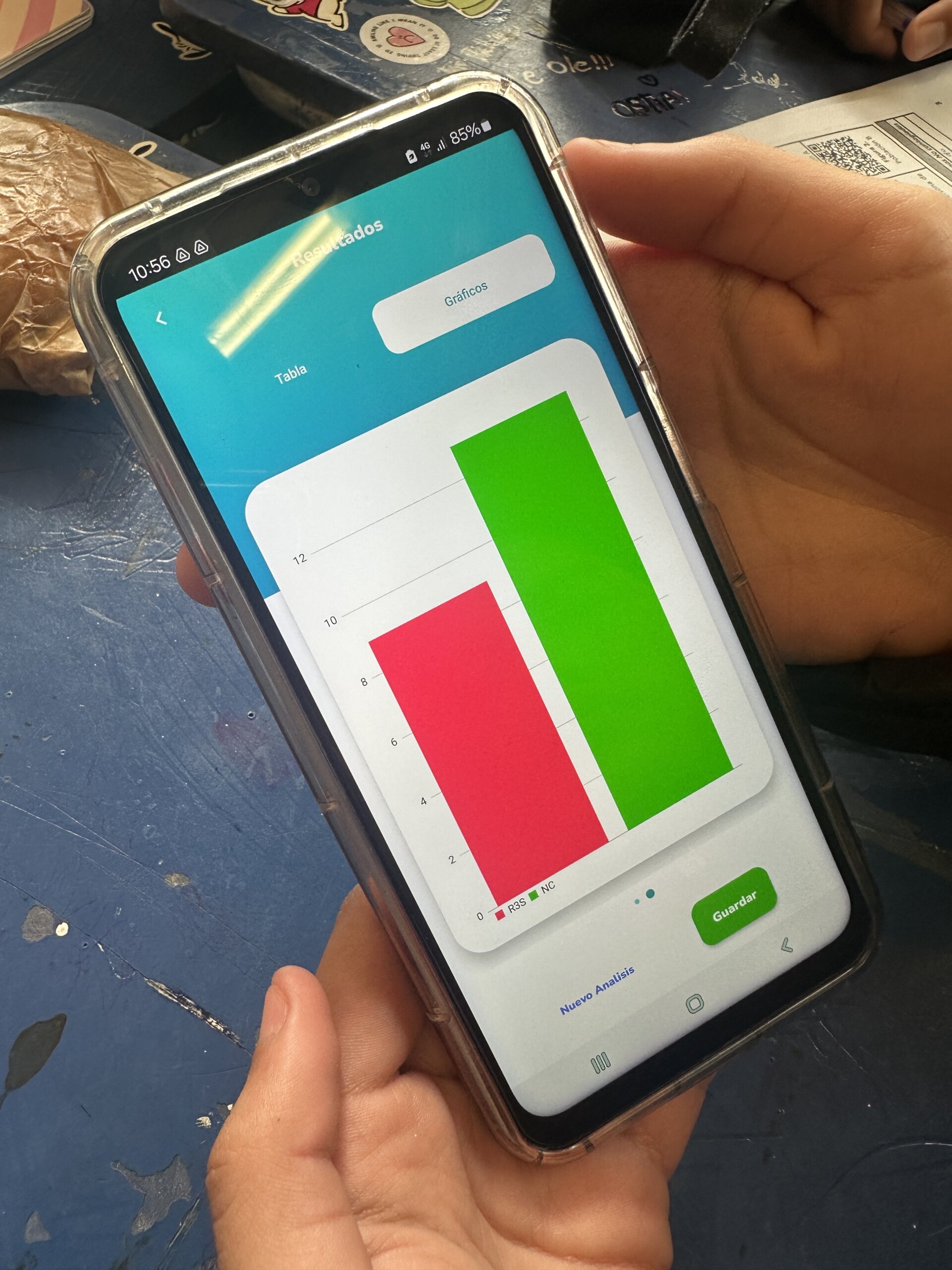
For example, at Colegio Almendral in La Pintana, 420 students improved their understanding of antimicrobial resistance through hands-on experiments.
 AI that enhances learning
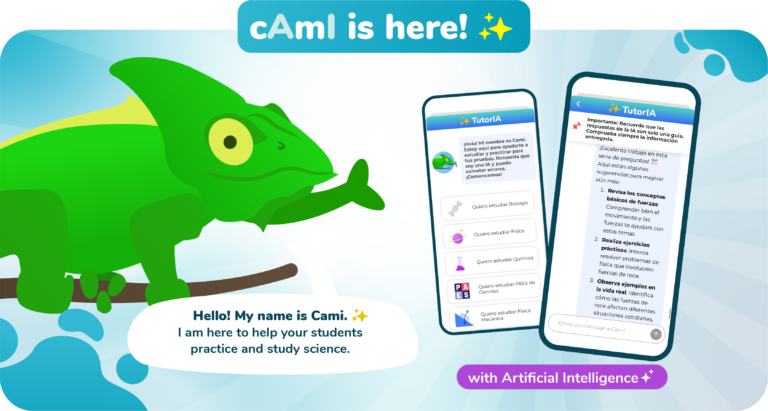
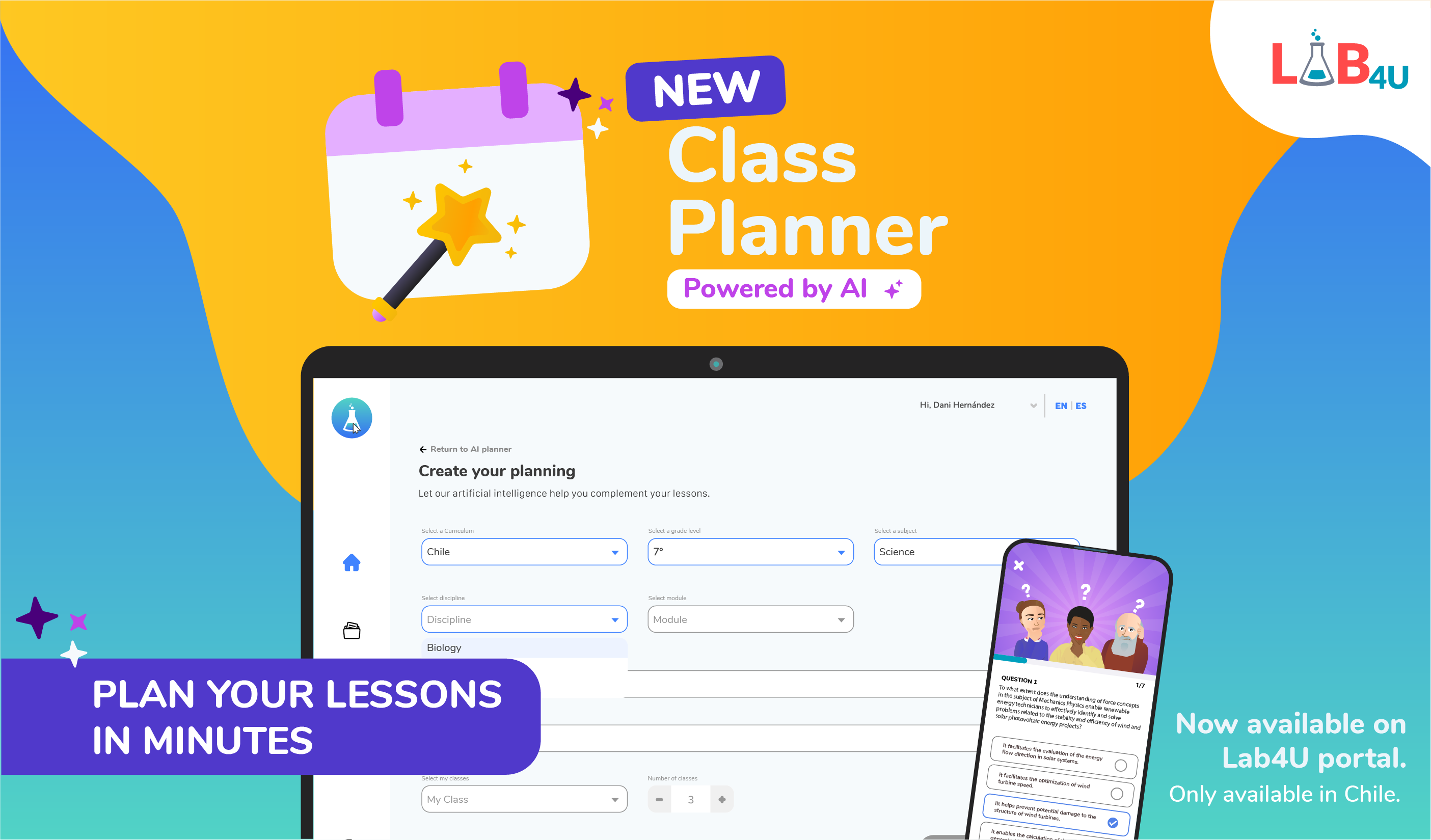
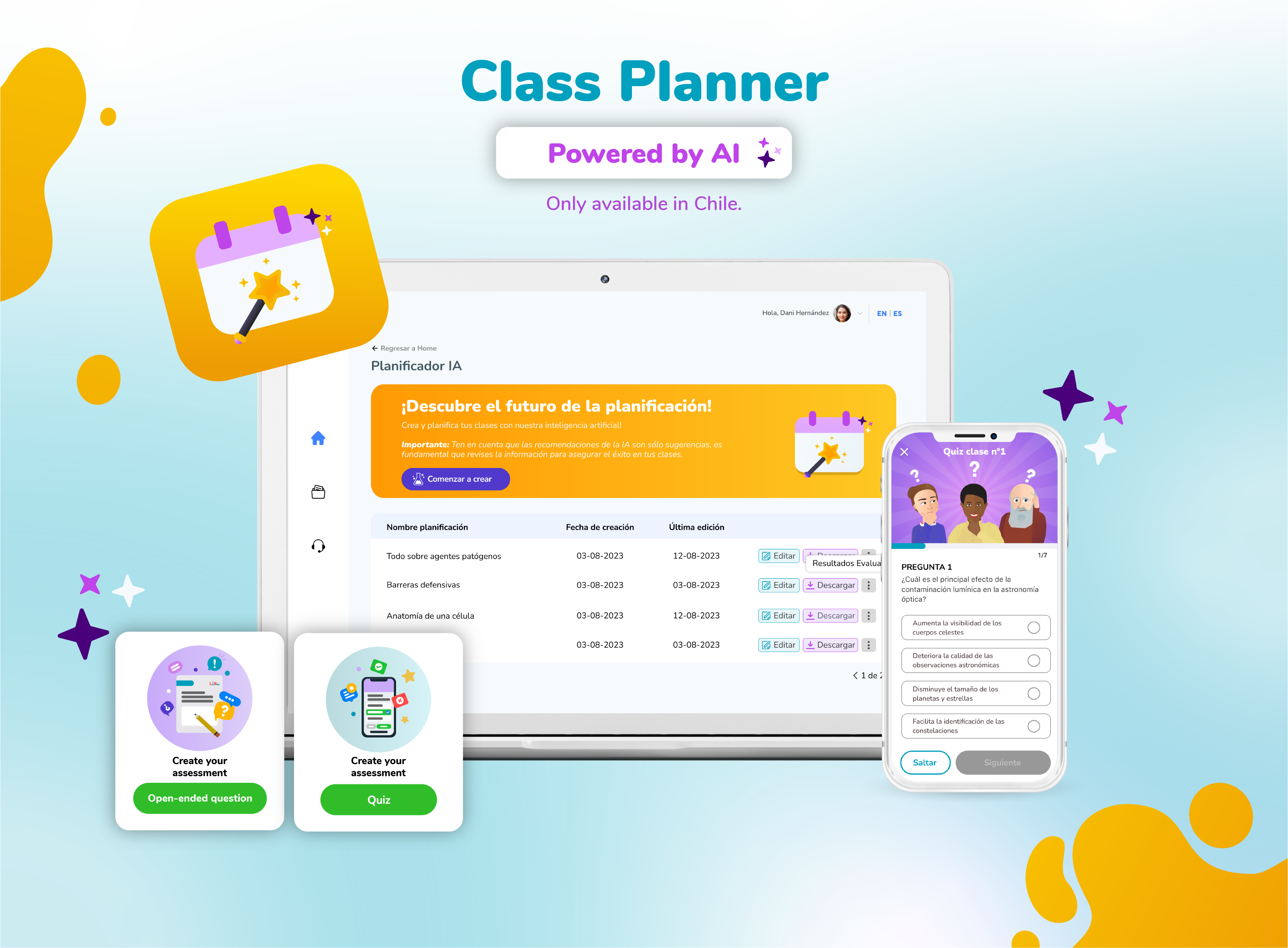
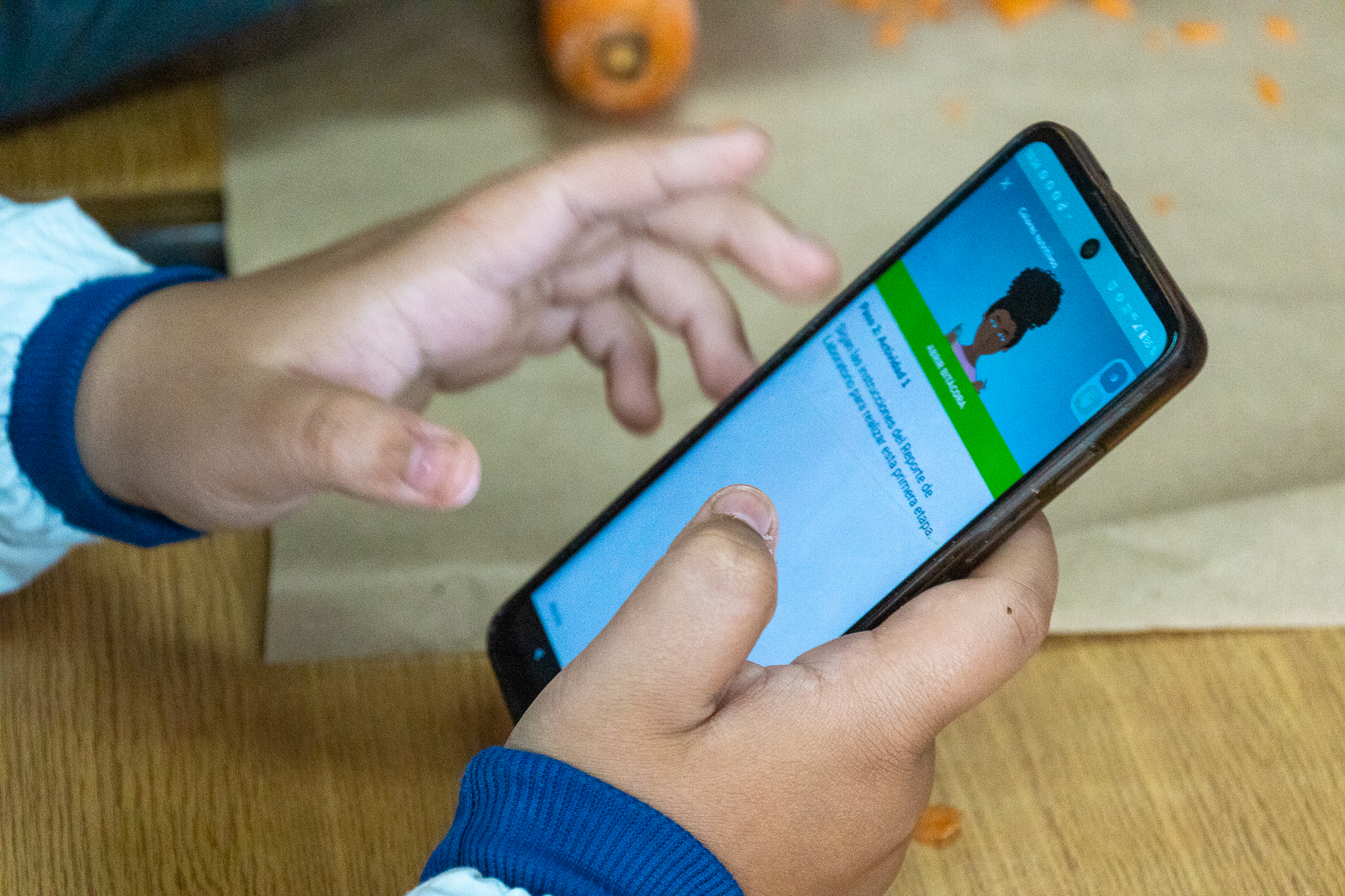
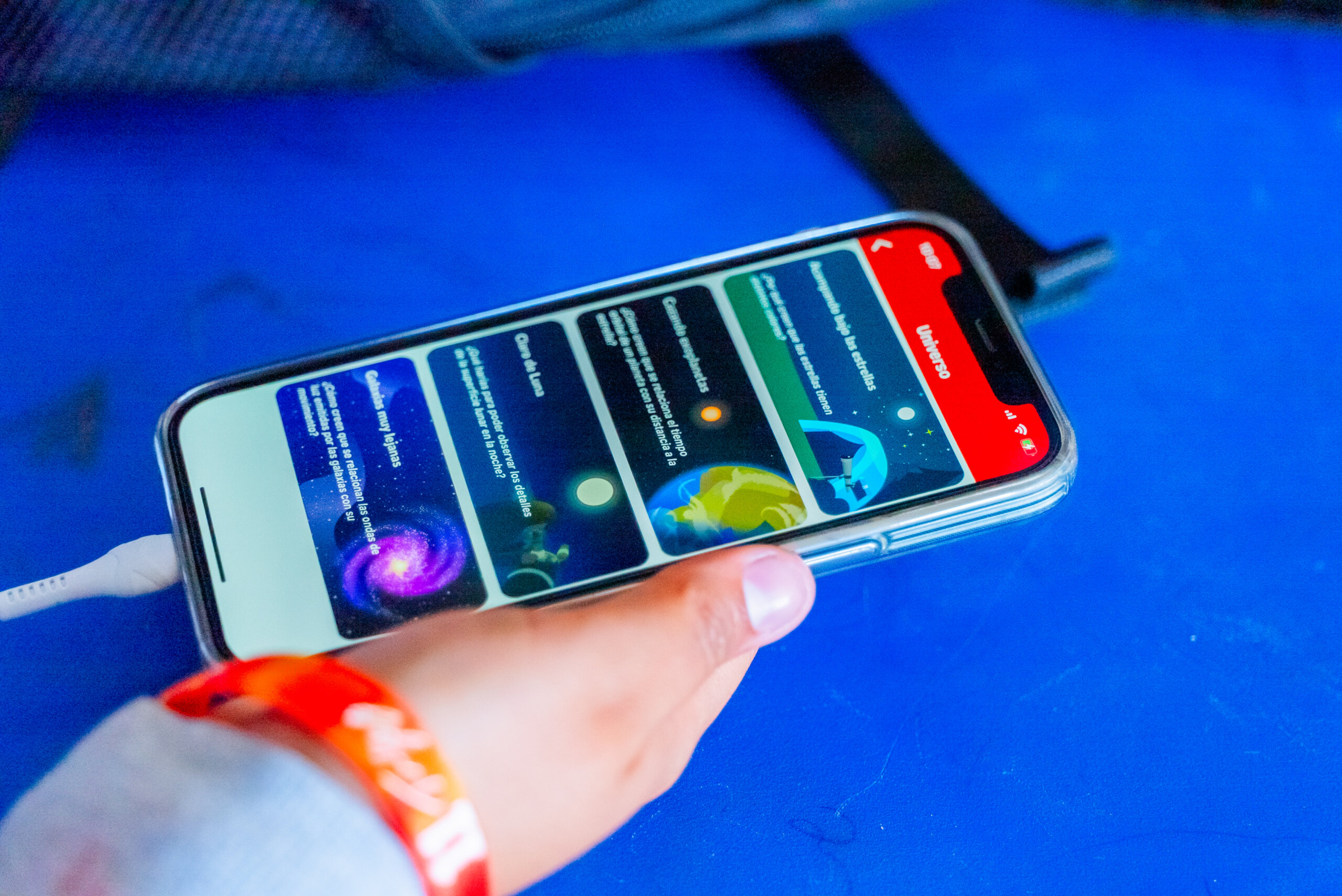
Artificial intelligence allowed us to:
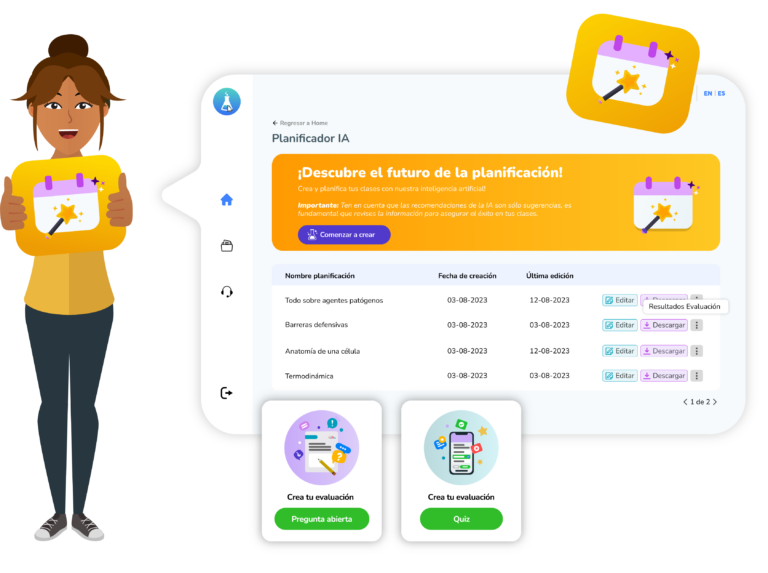
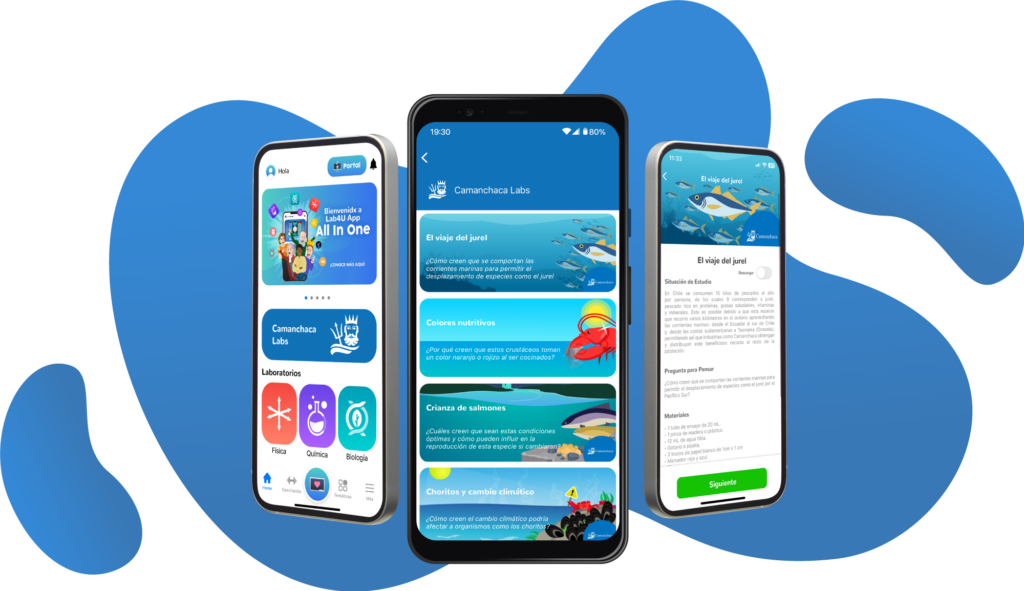
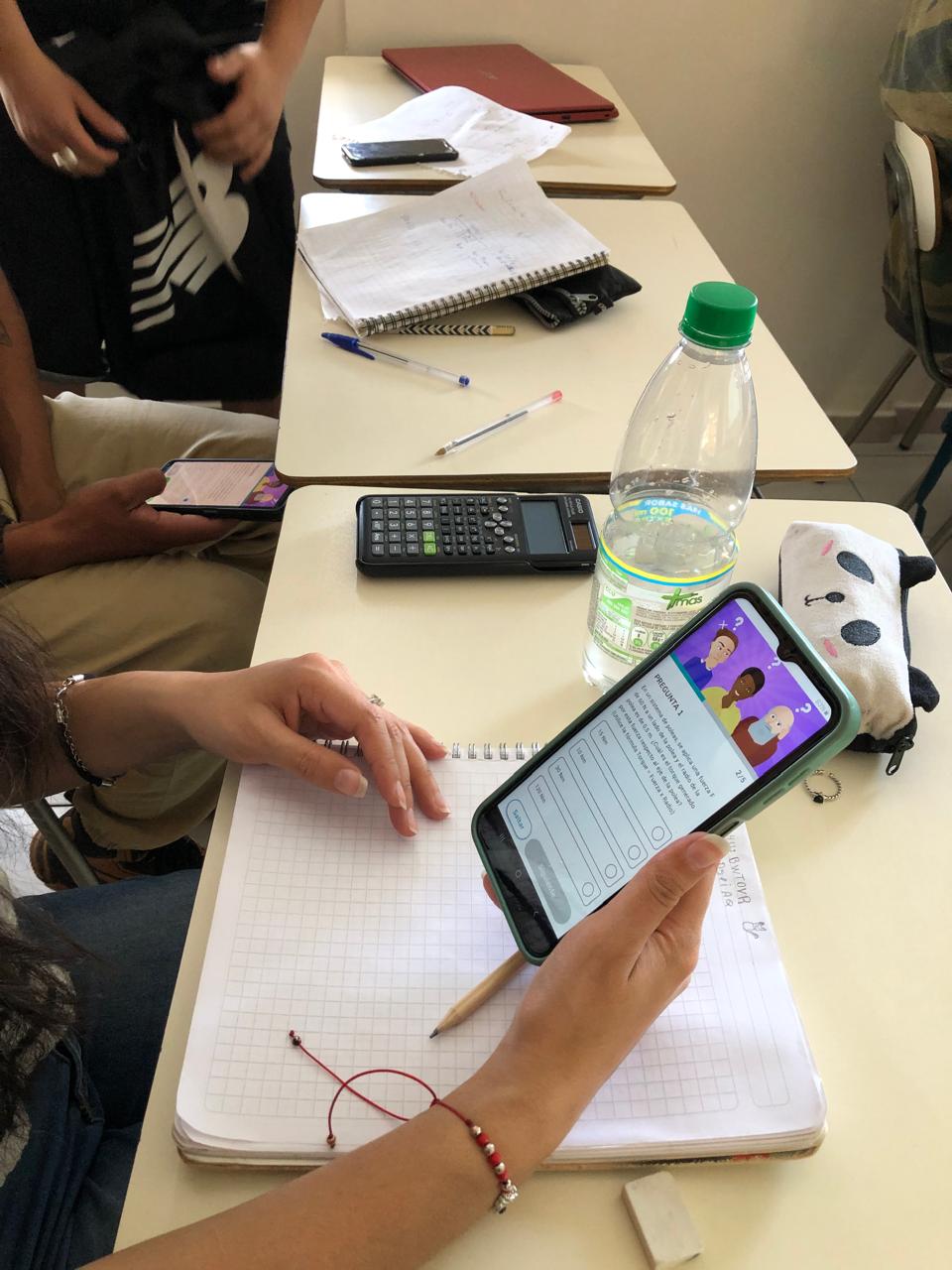
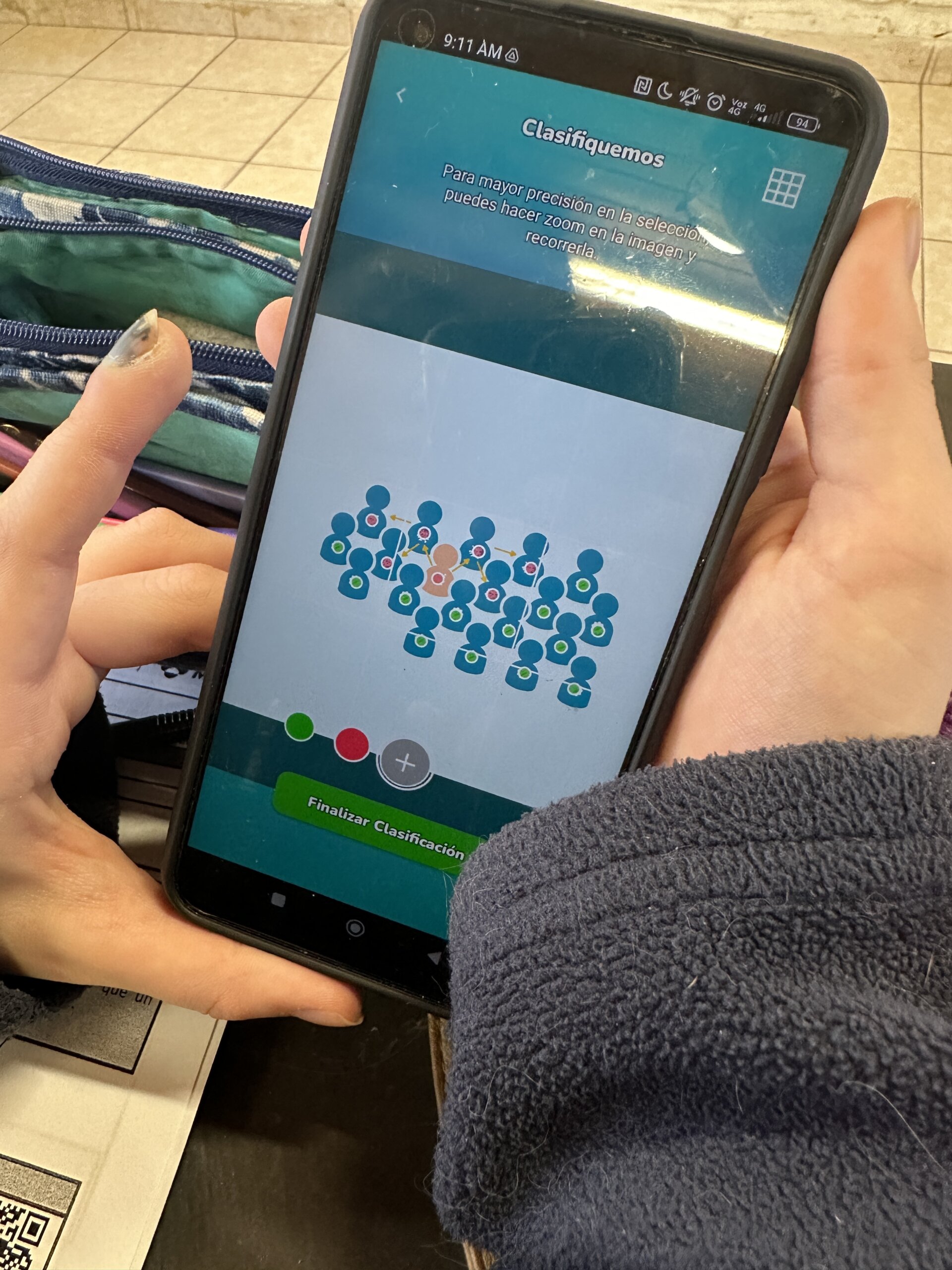
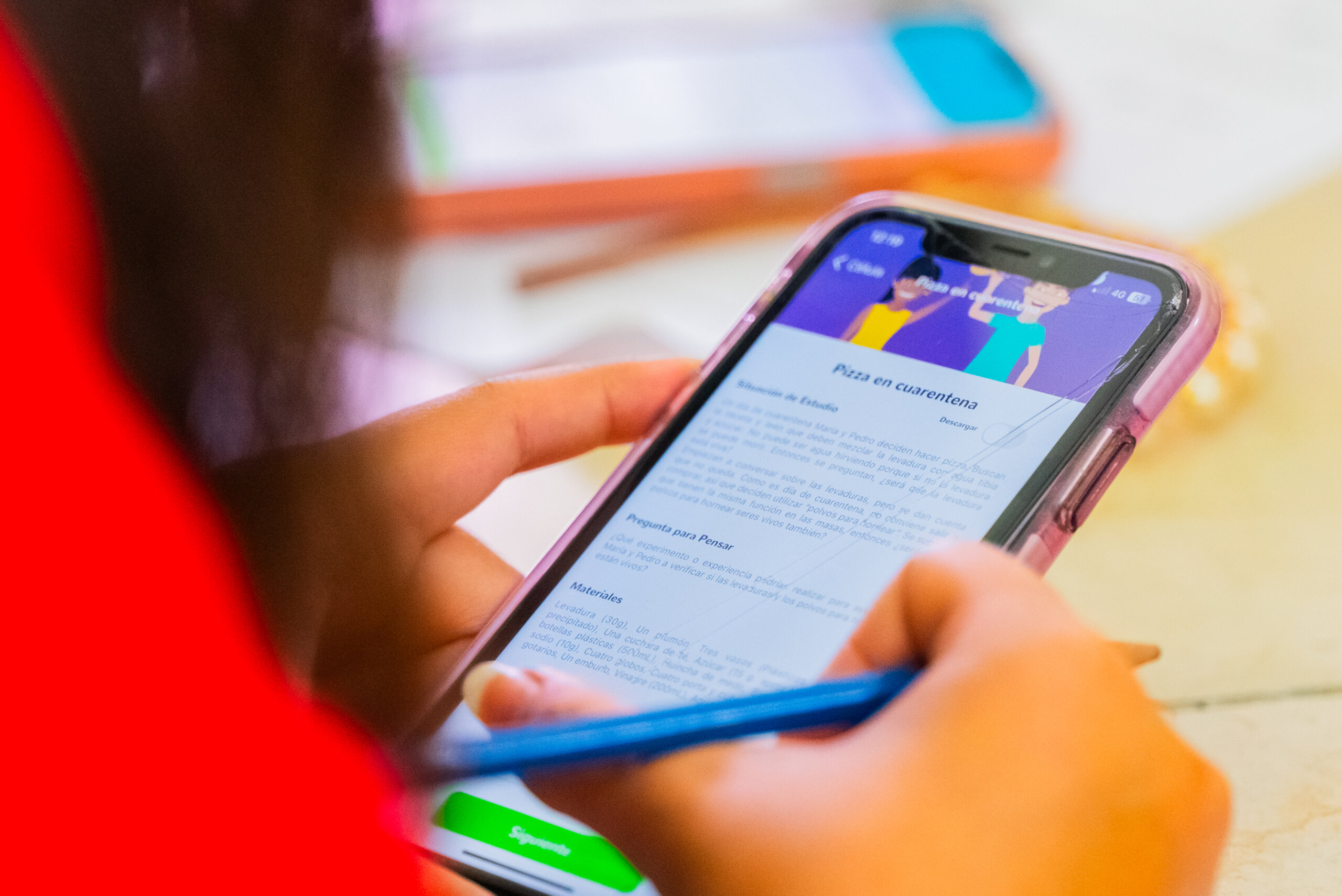
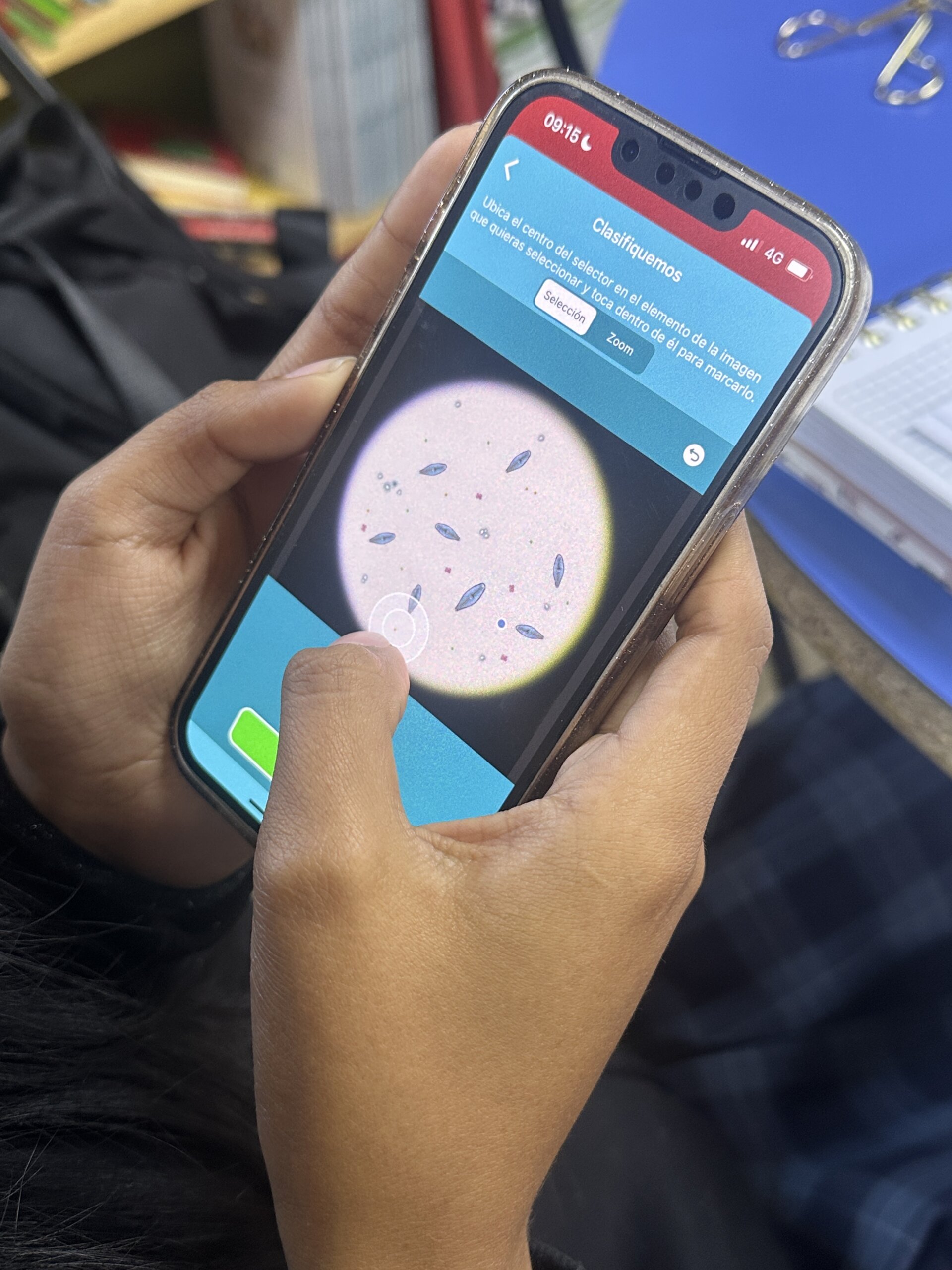
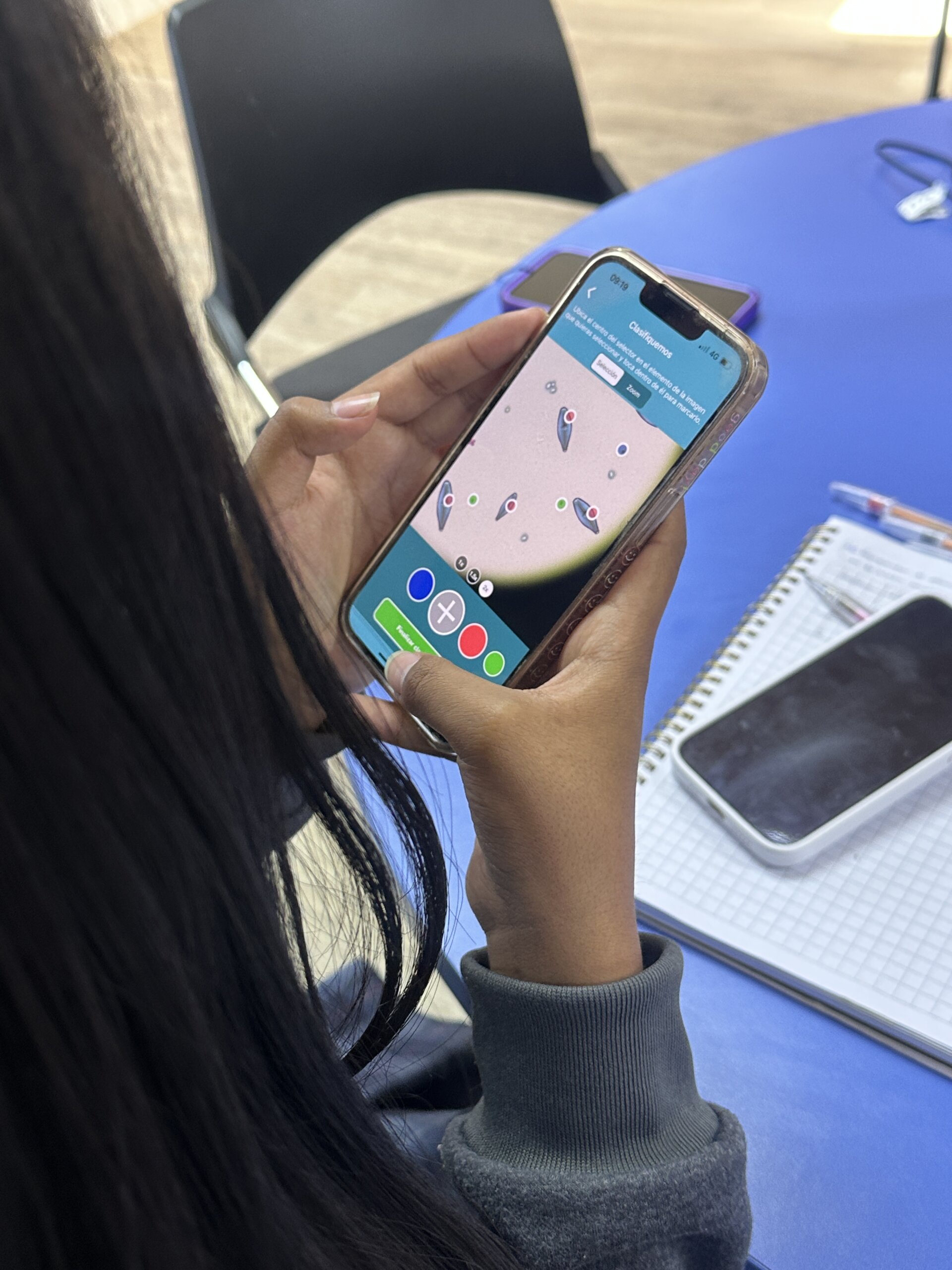
- Automatically recommend experiments
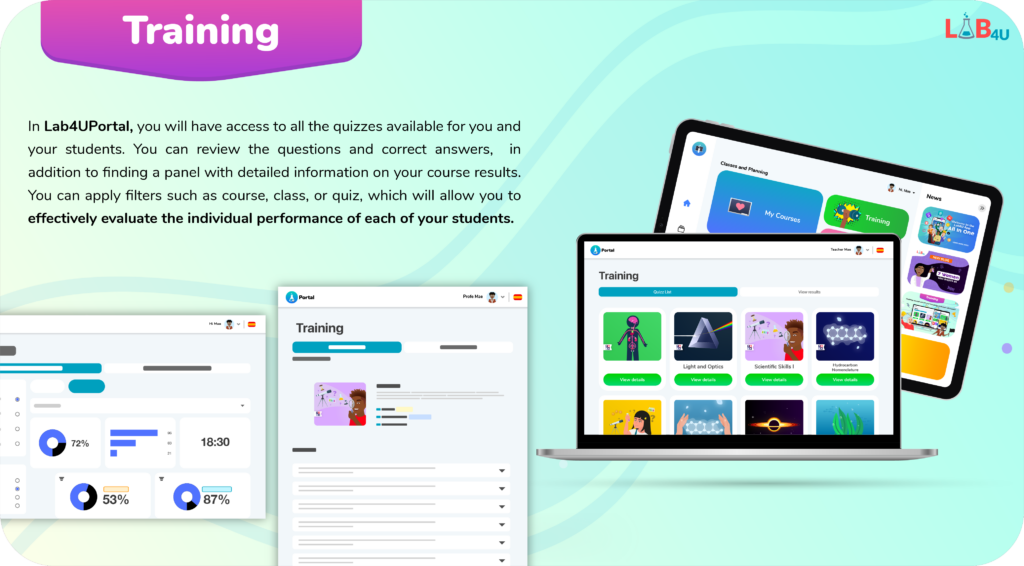
- Generate personalized reports for teachers
- Analyze learning trajectories
That’s why hands-on learning is now more viable and accessible for more schools.
 Partnerships that amplify impact
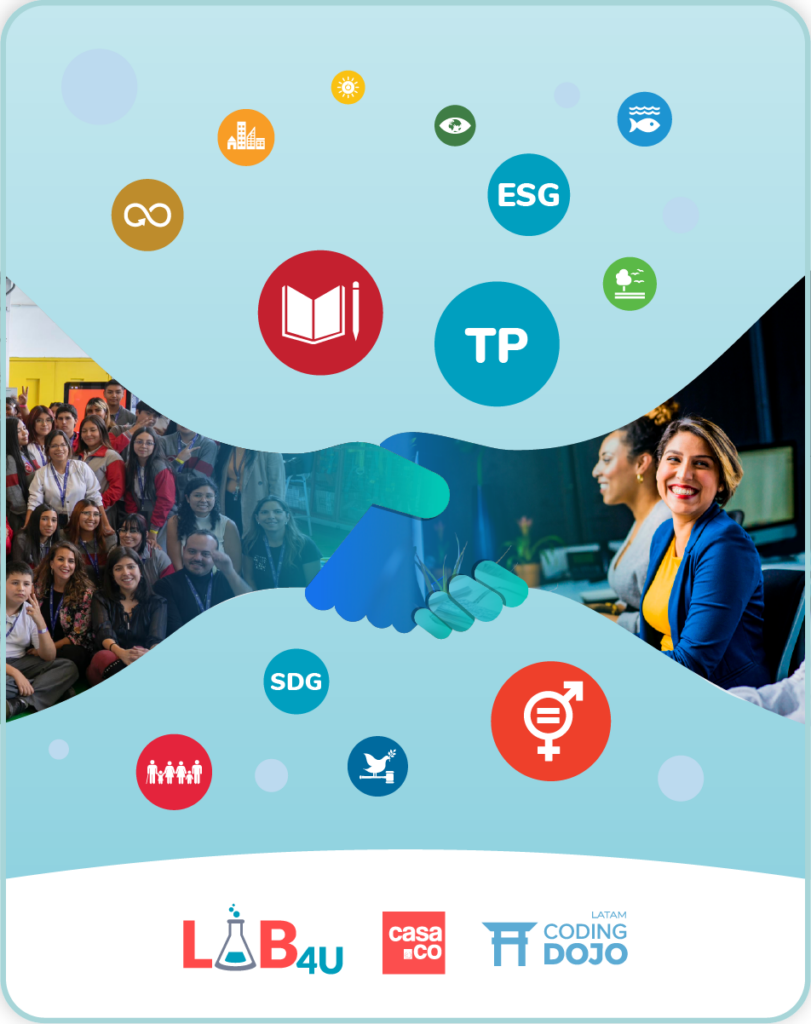
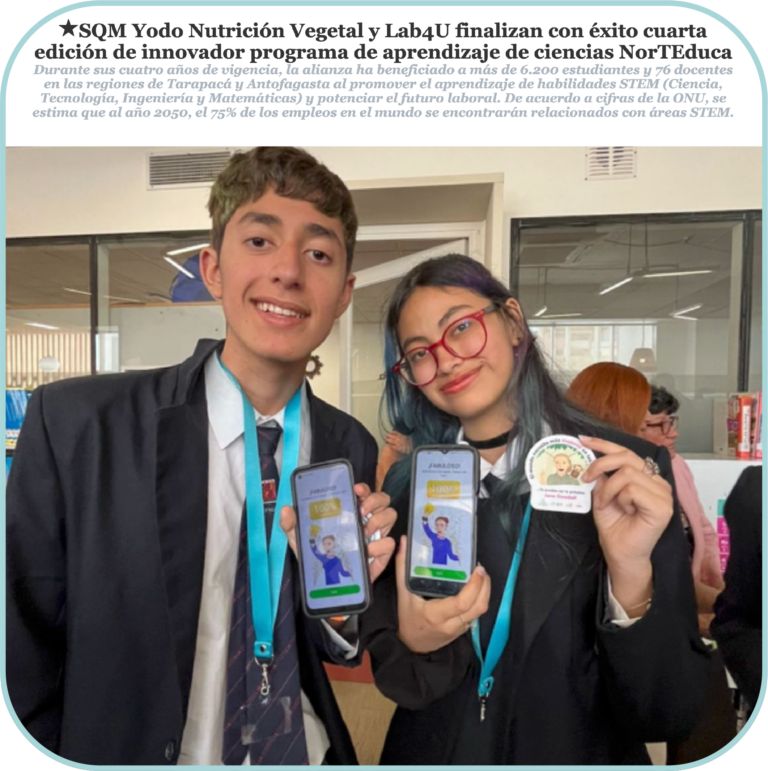
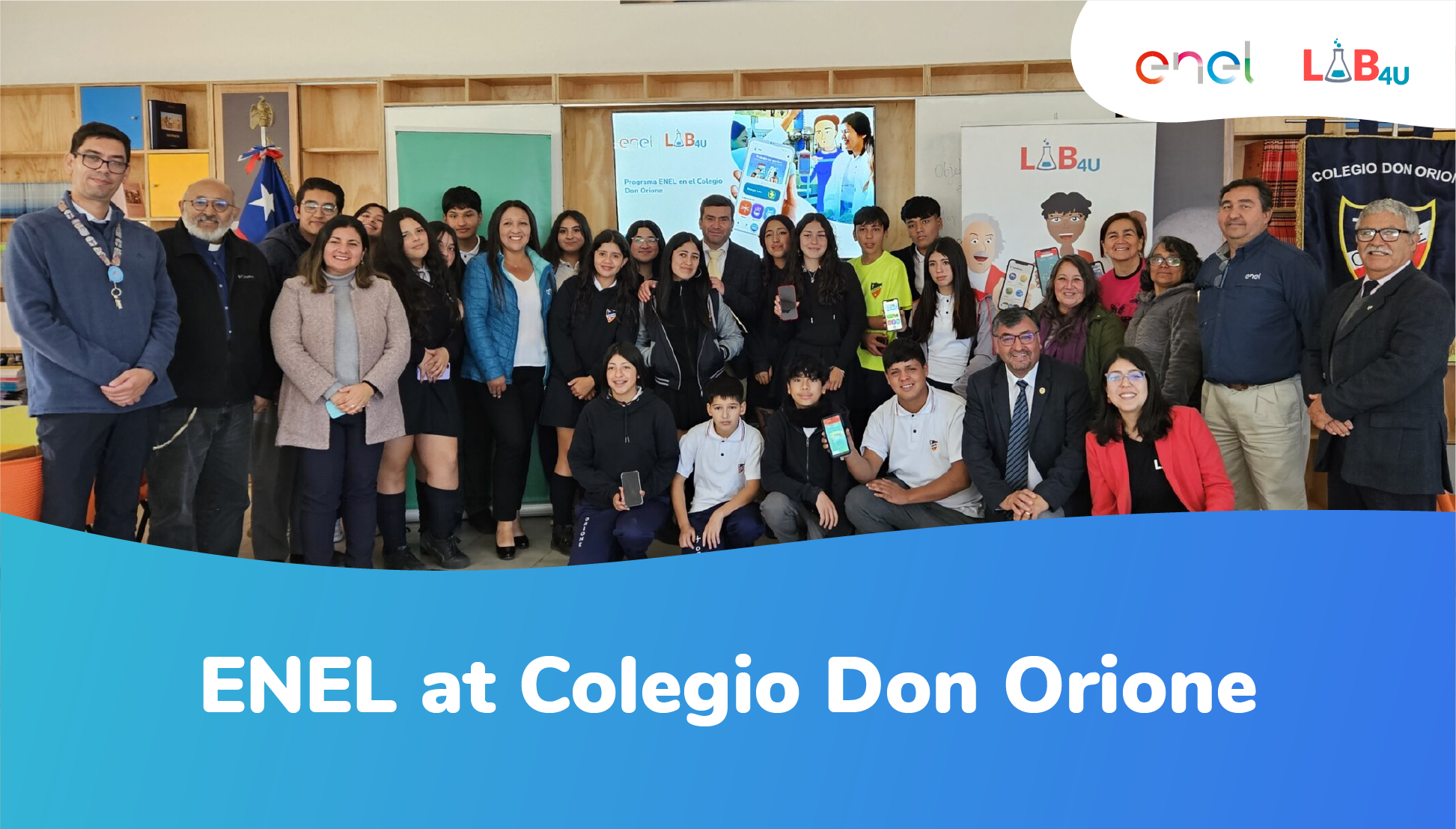
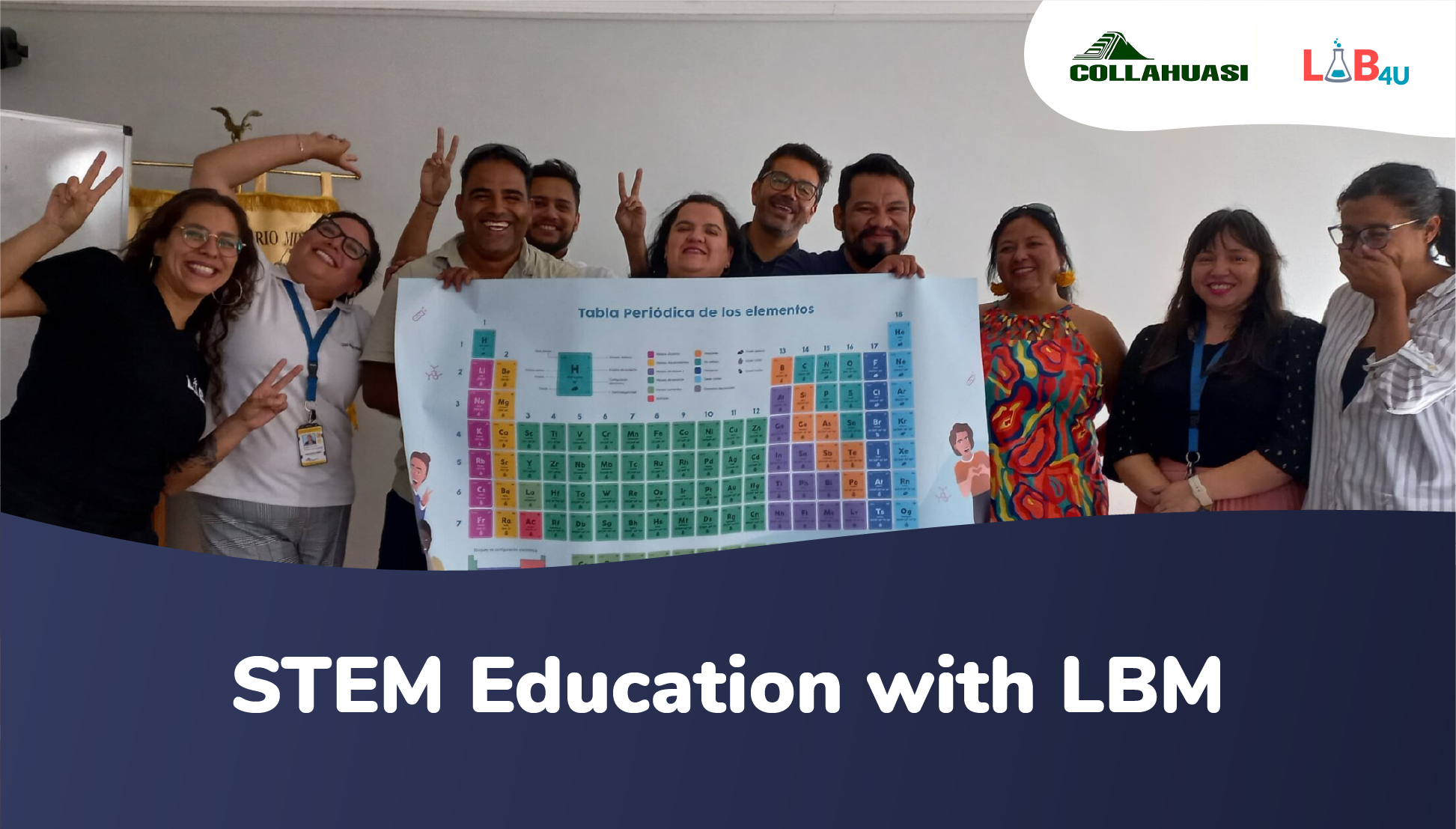
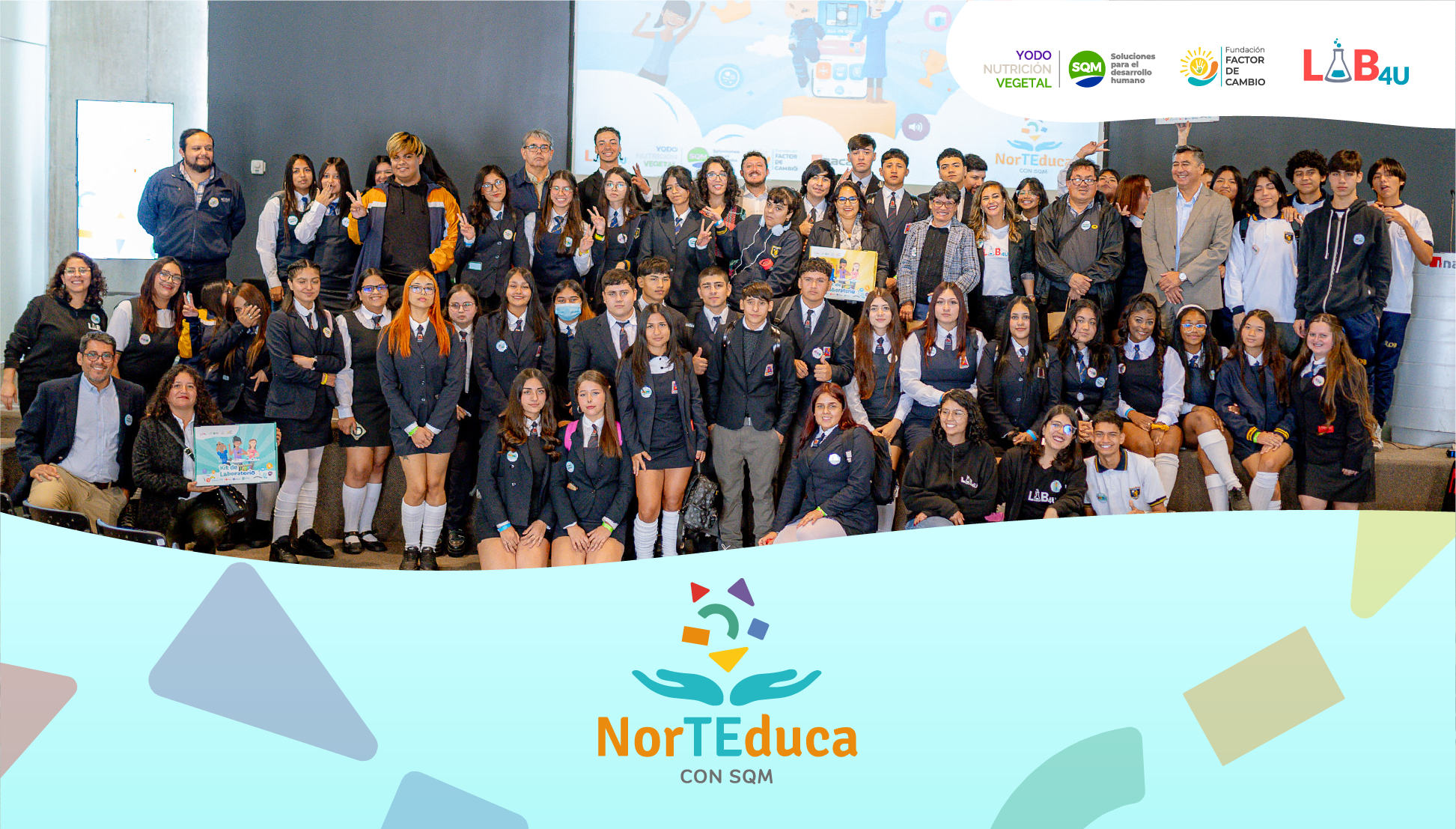
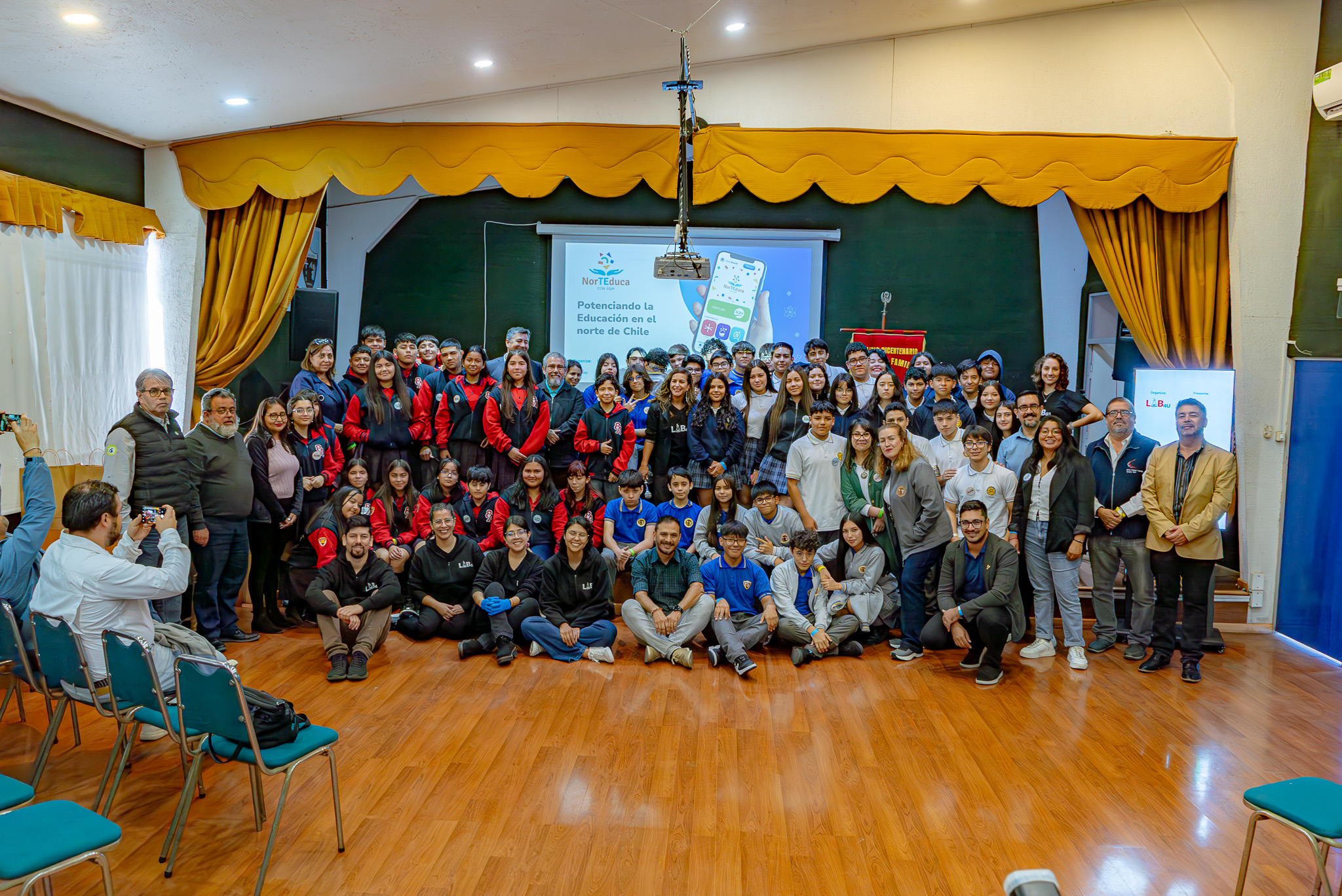
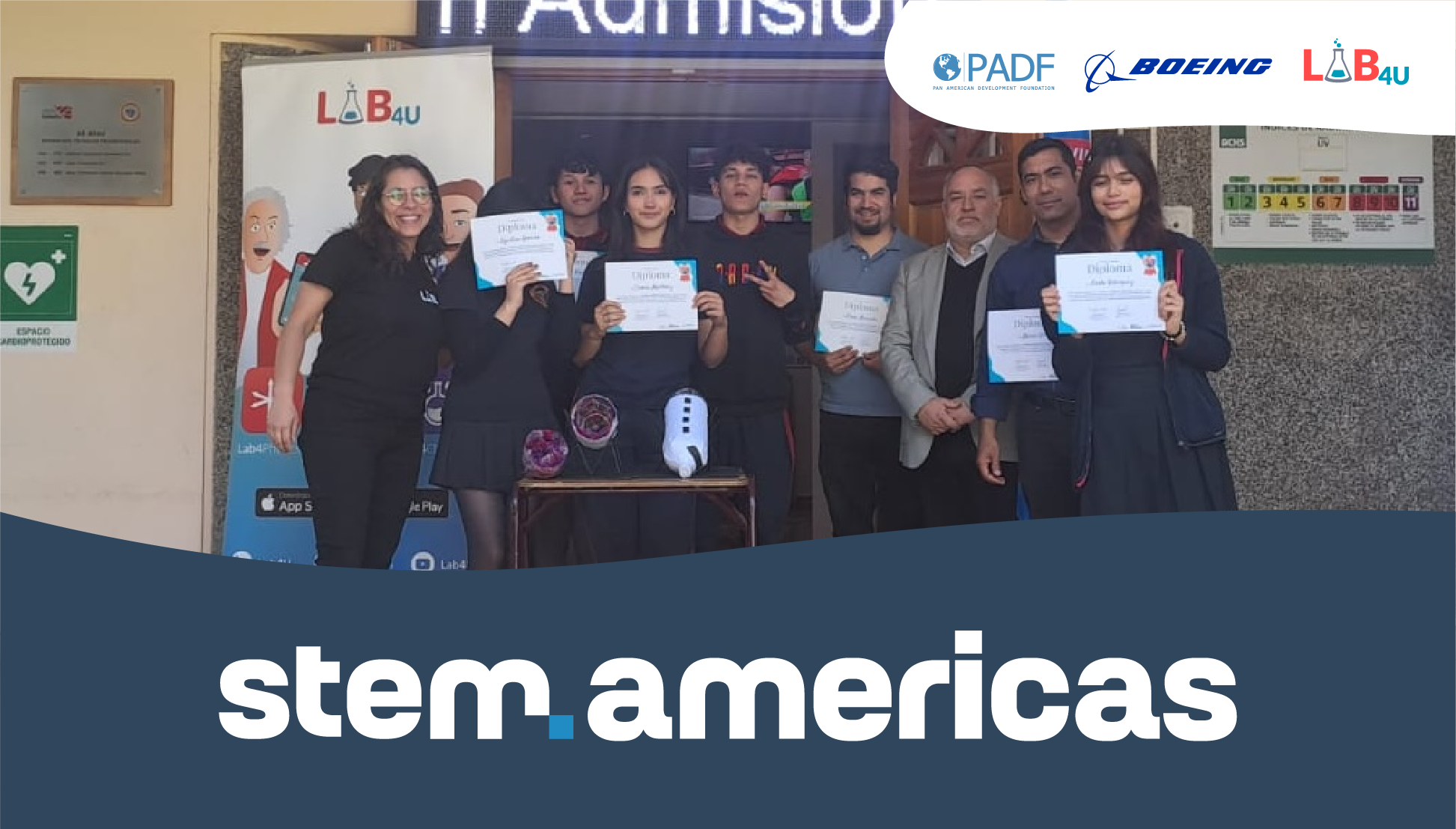
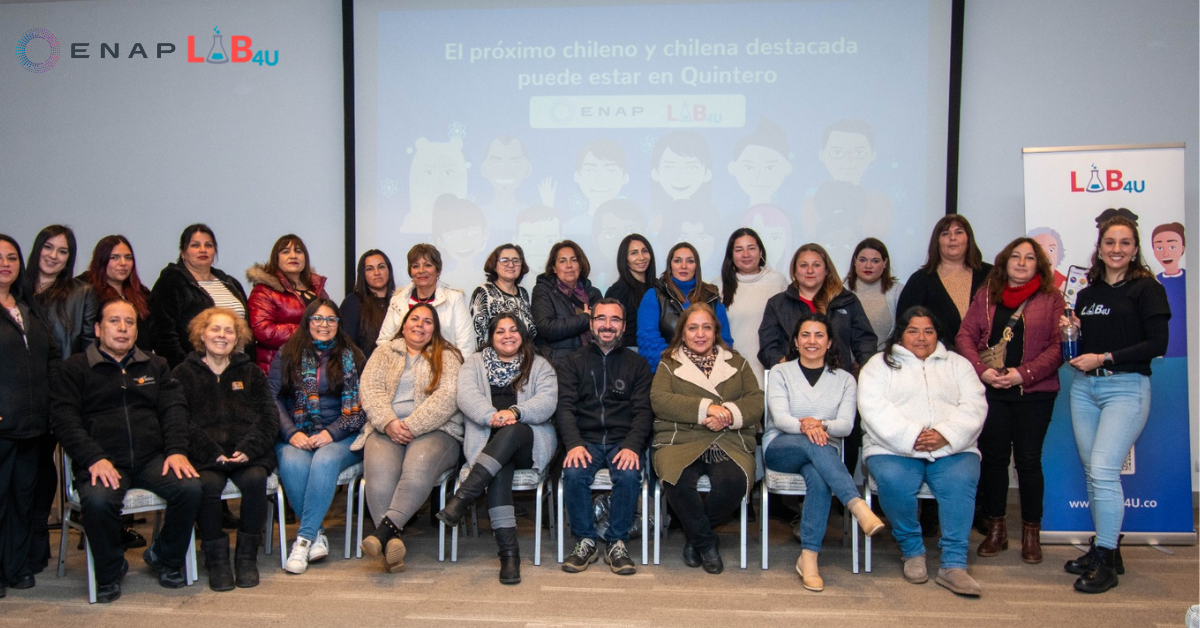
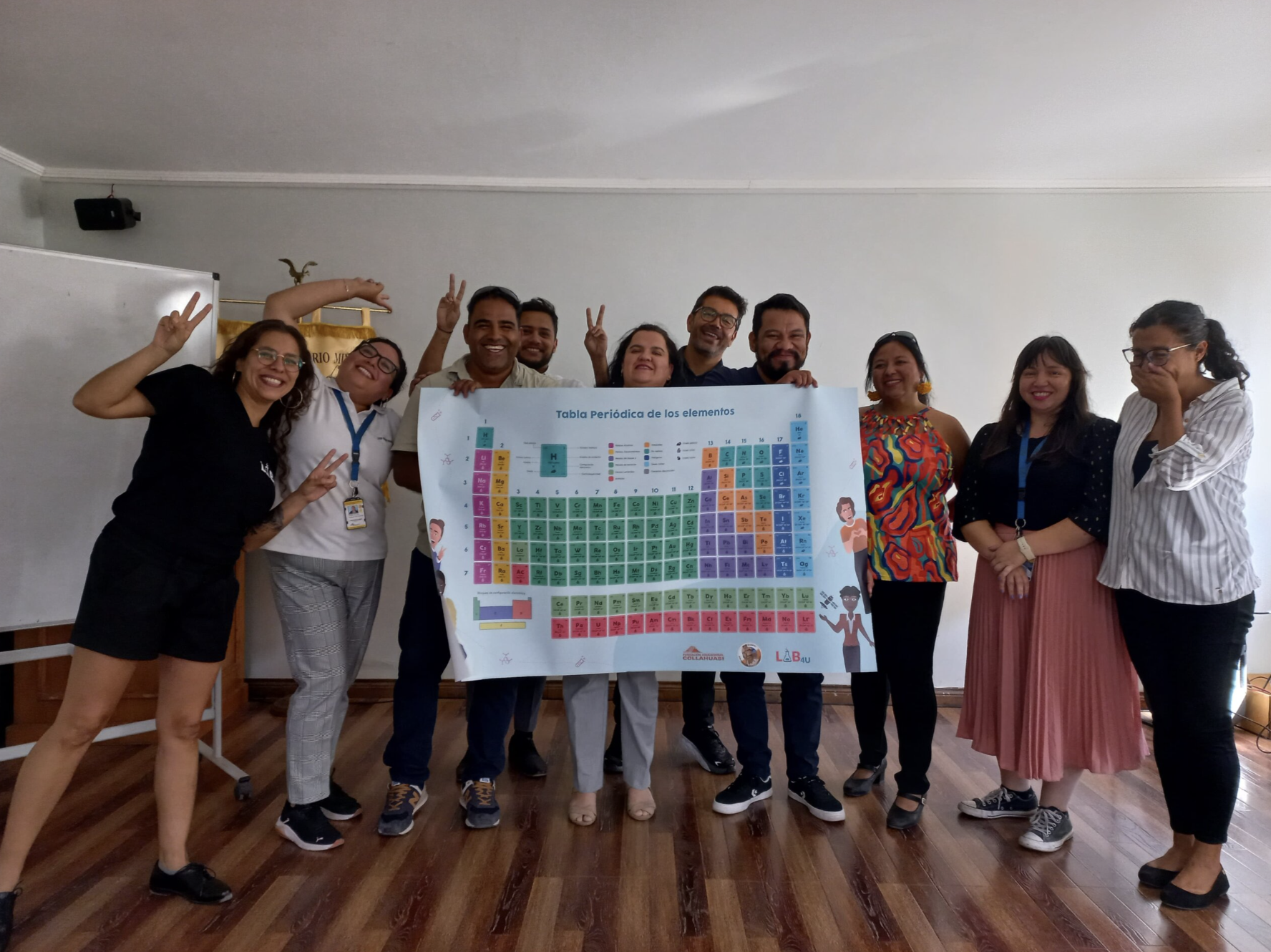
We worked with educational institutions, social organizations, and companies to expand opportunities. Among them:
- INACAP: 61,000 students nationwide
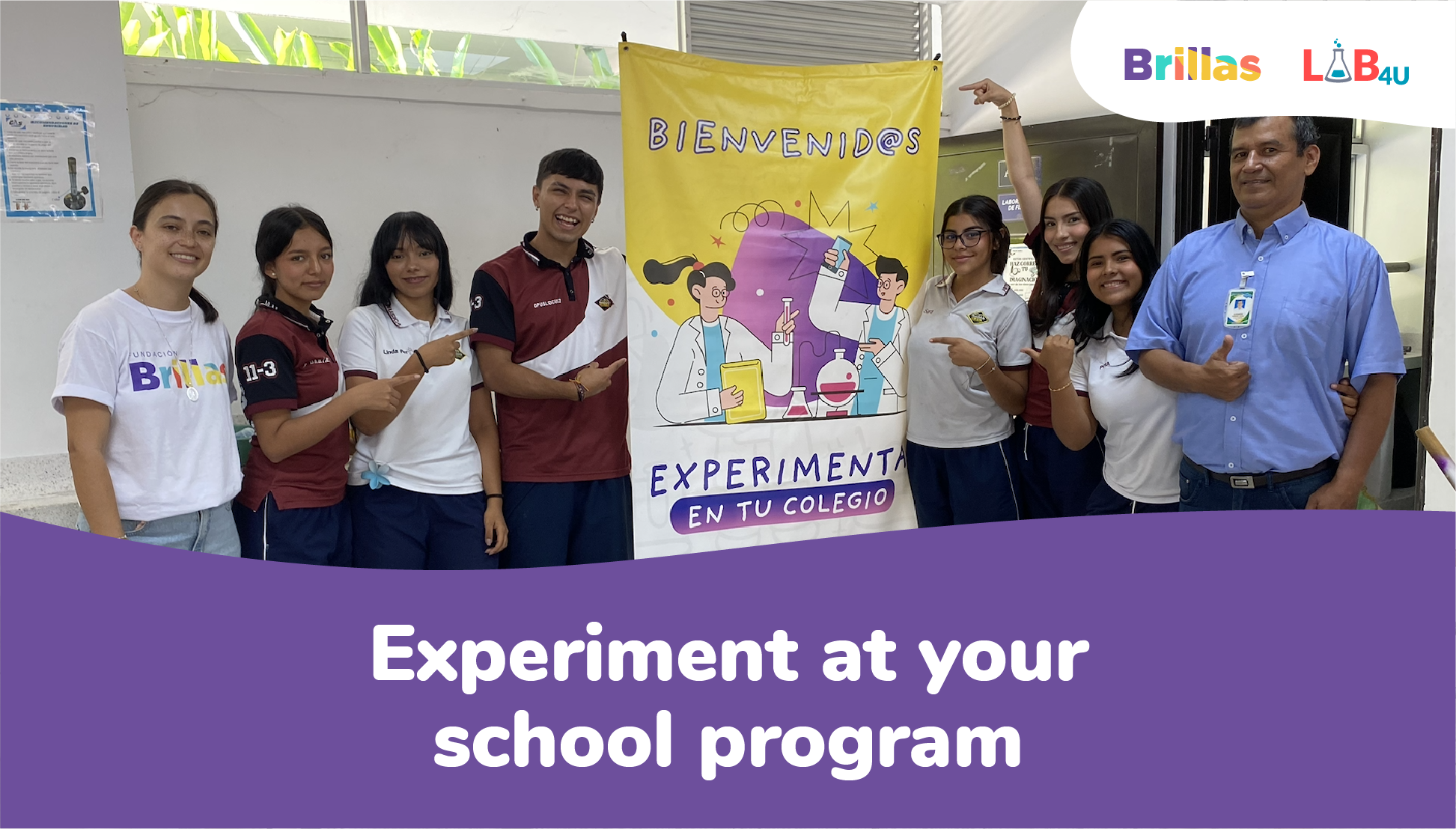
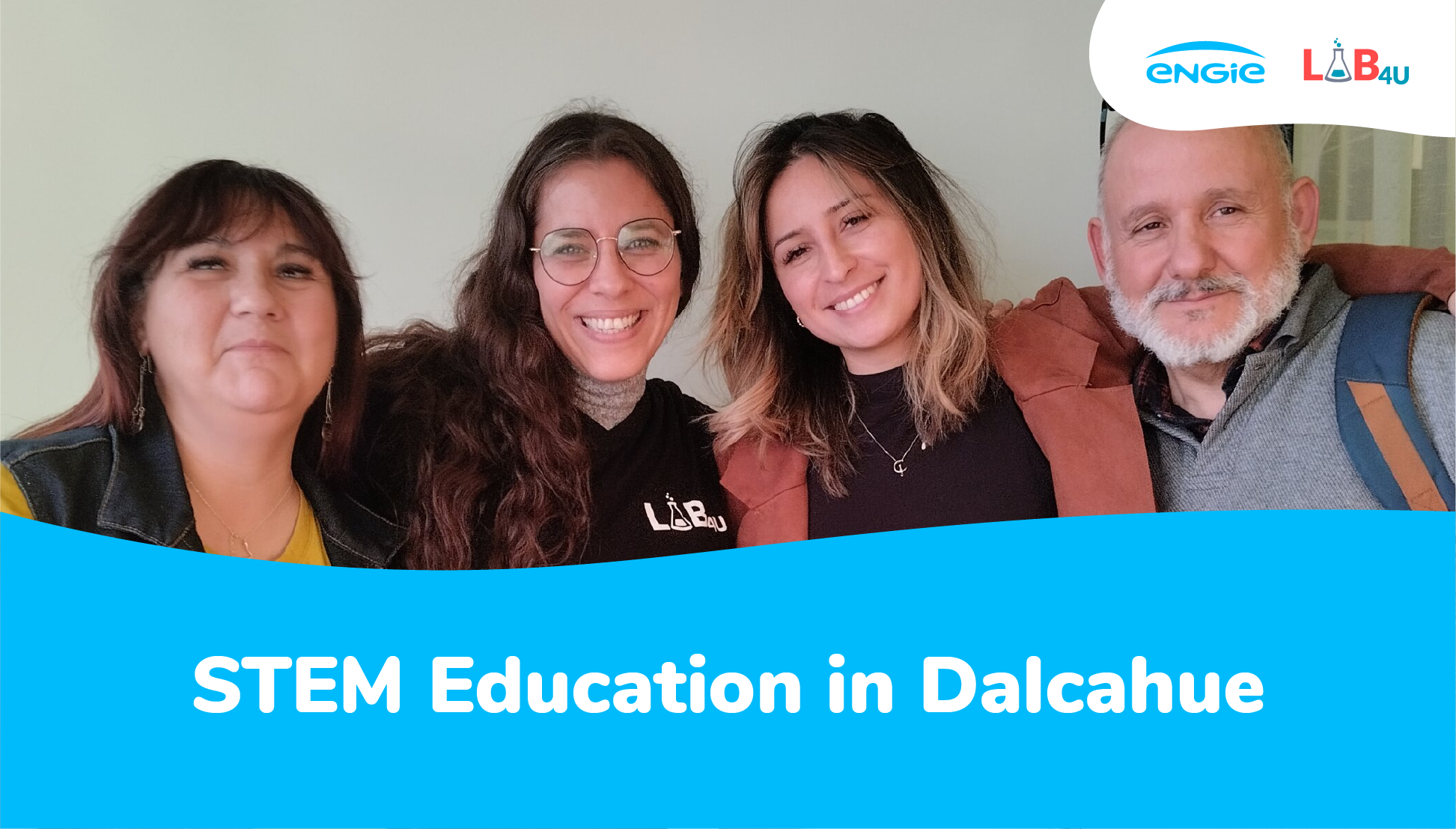
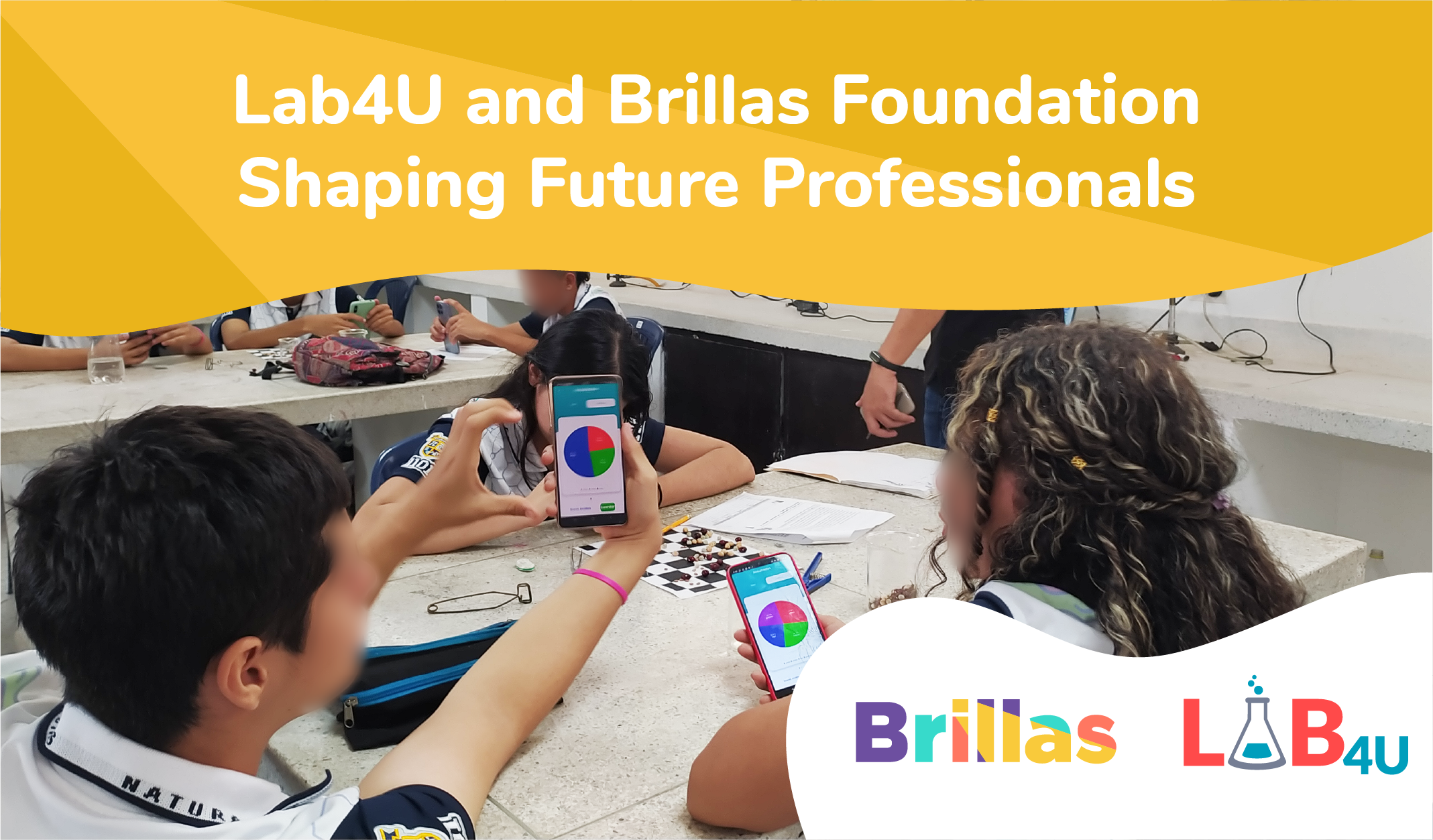
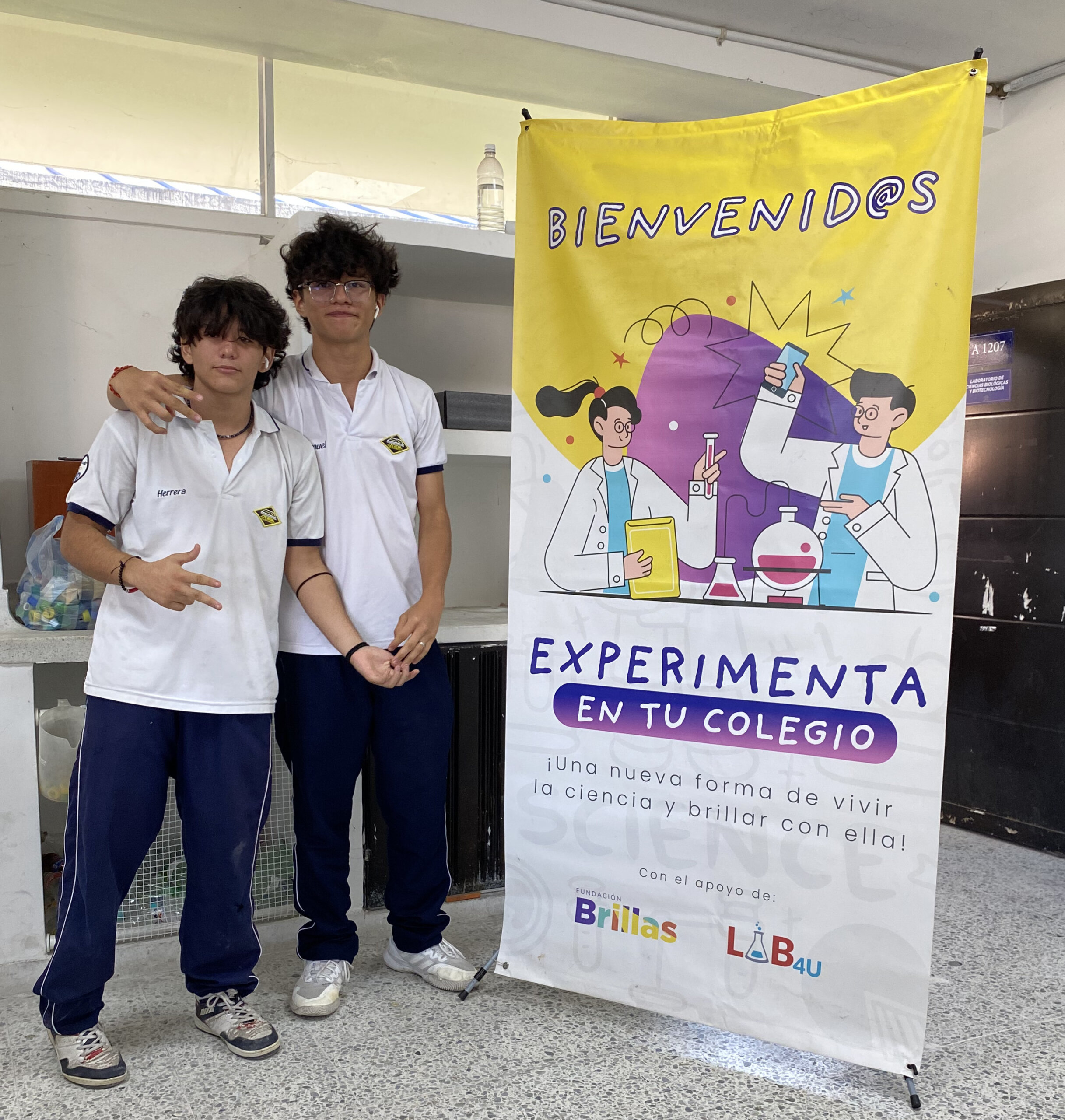
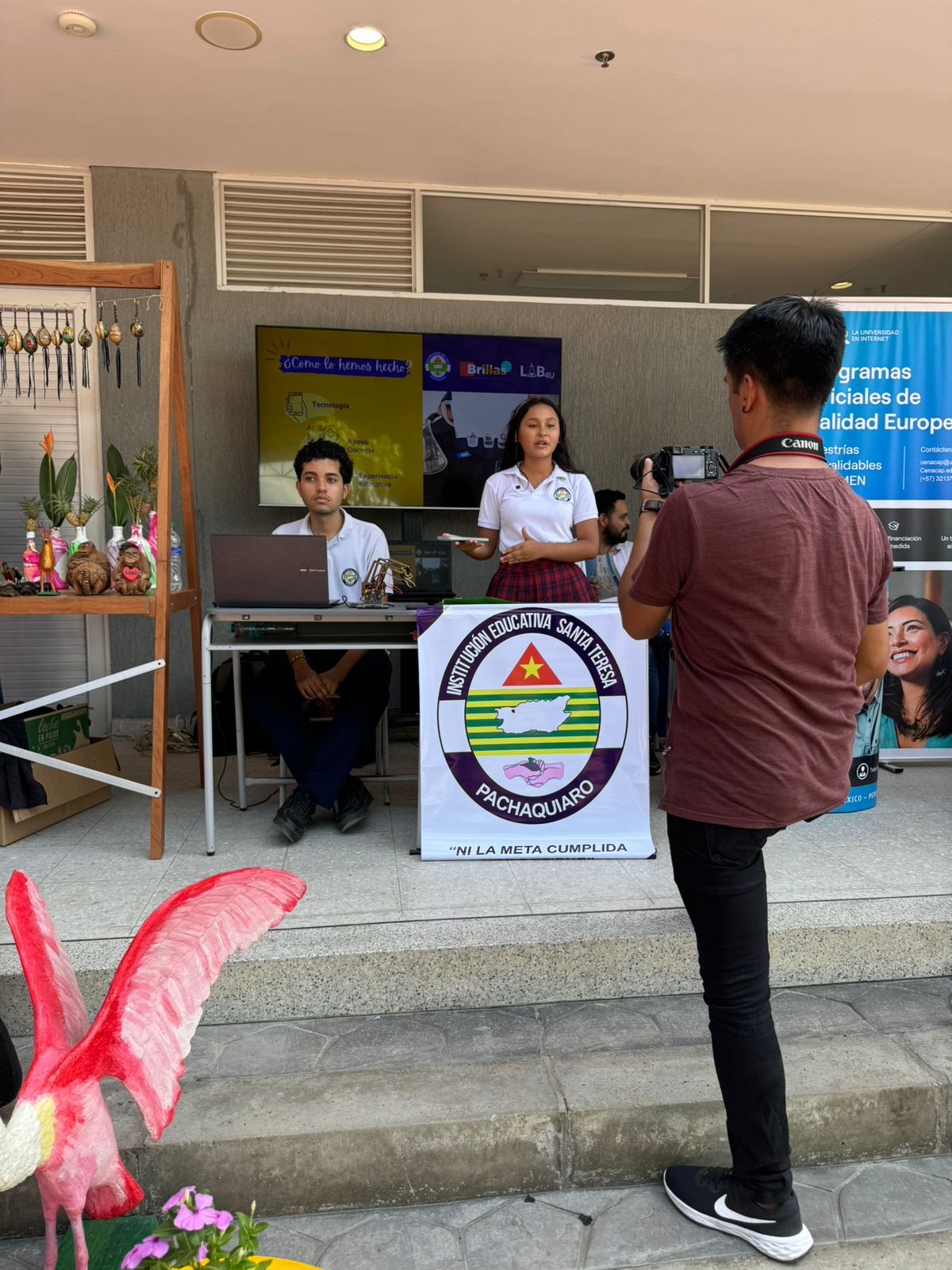
- Fundación Brillas: Building STEM confidence in Villavicencio and Puerto López
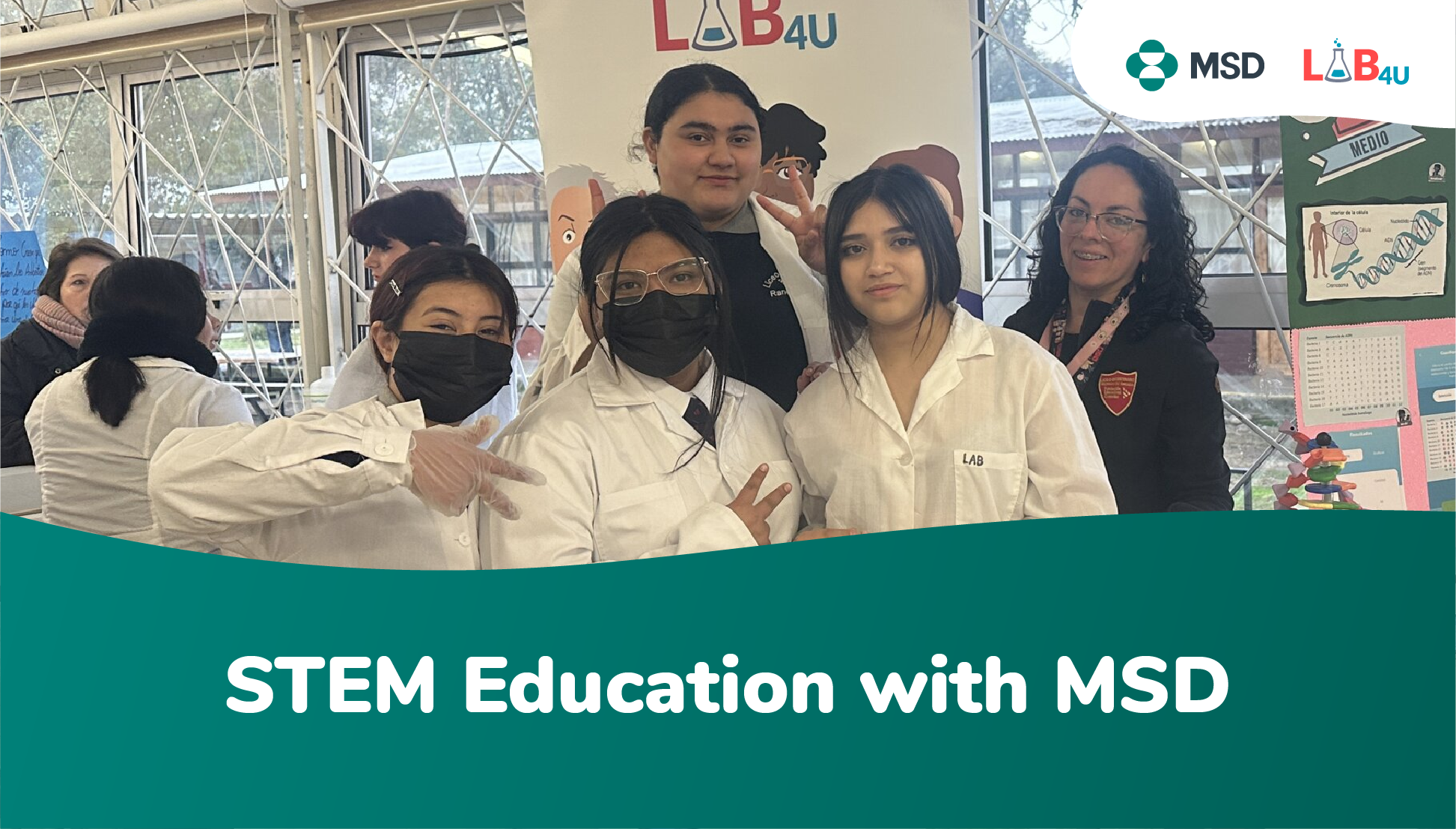
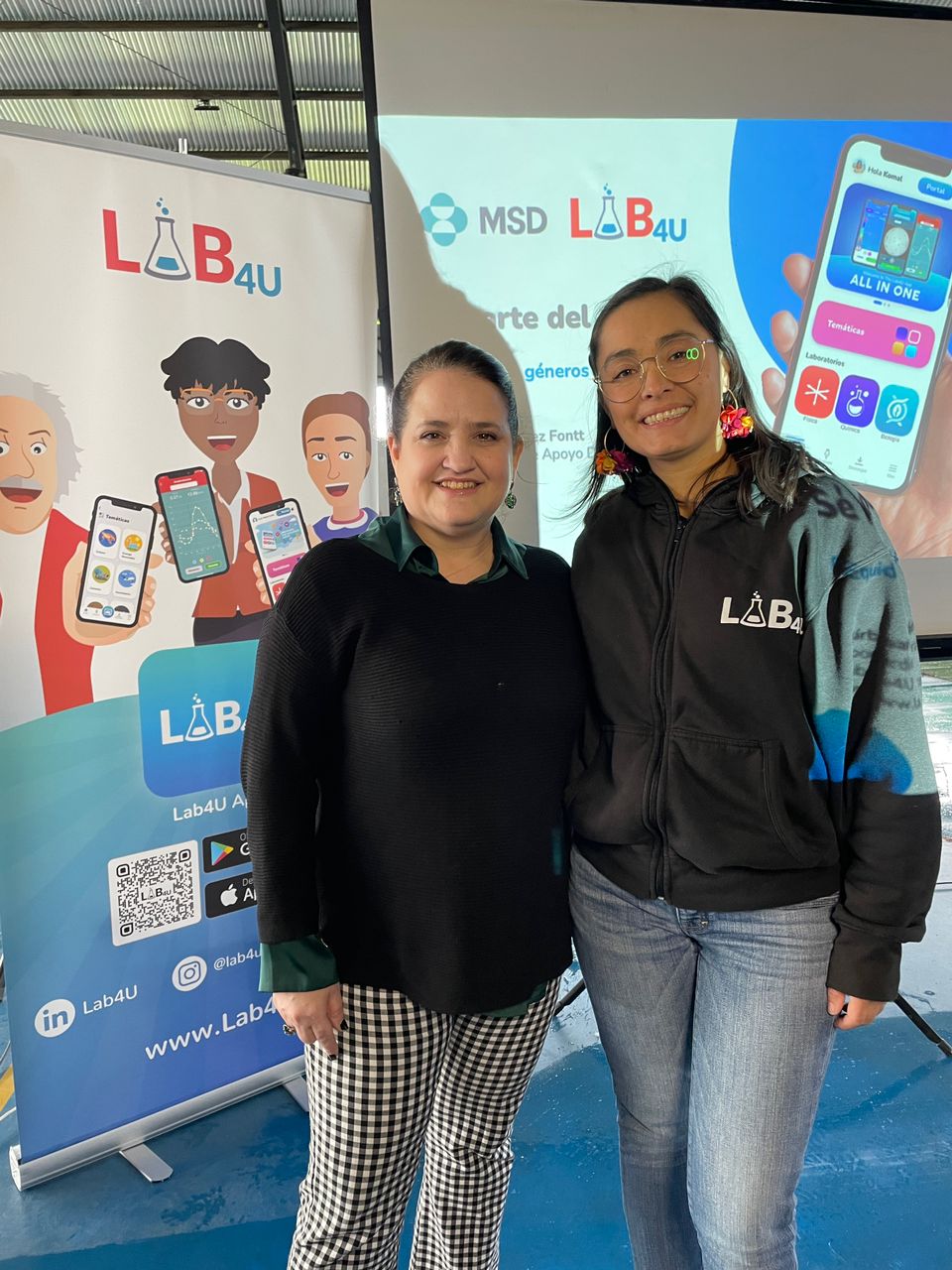
- Pfizer: Supporting Colegio Almendral
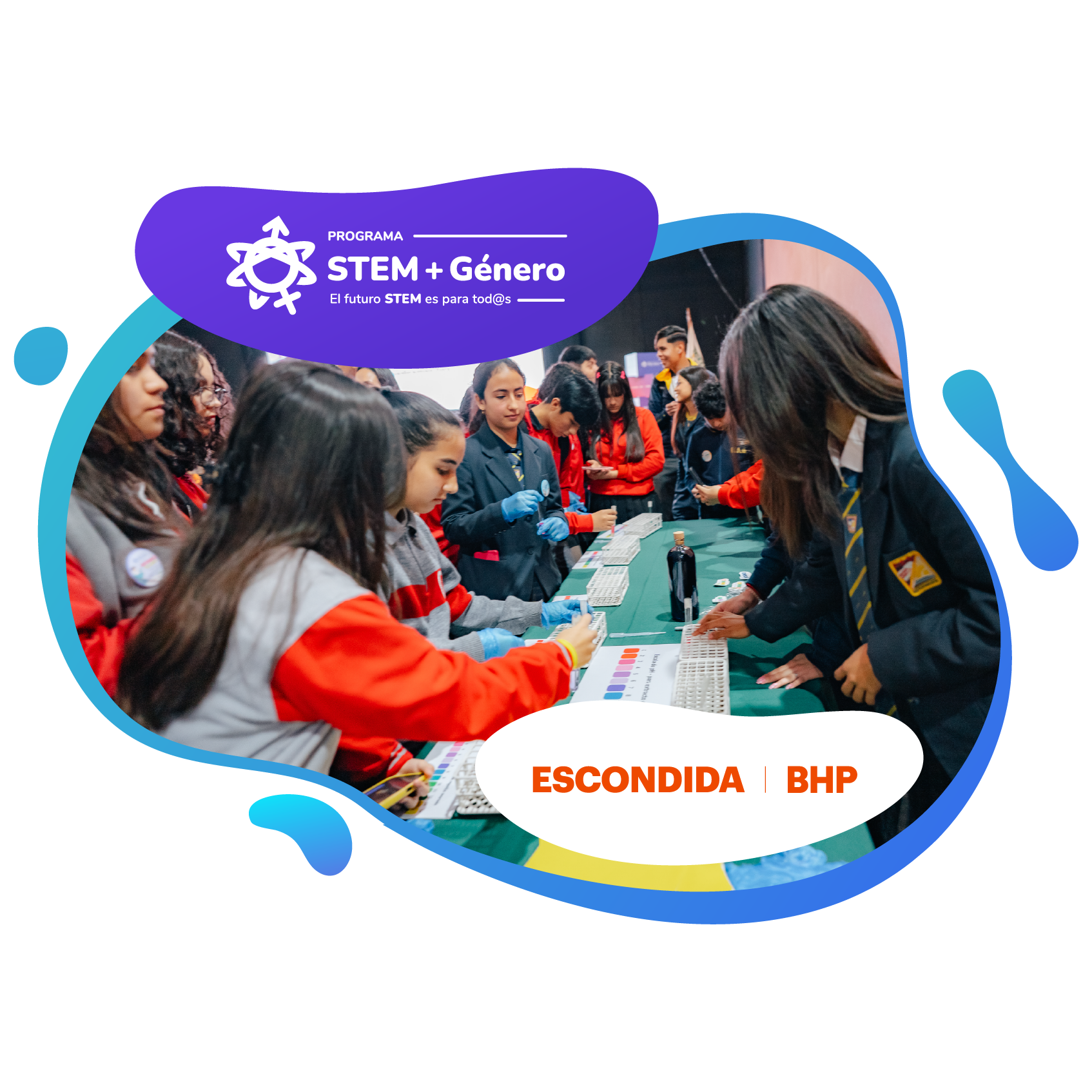
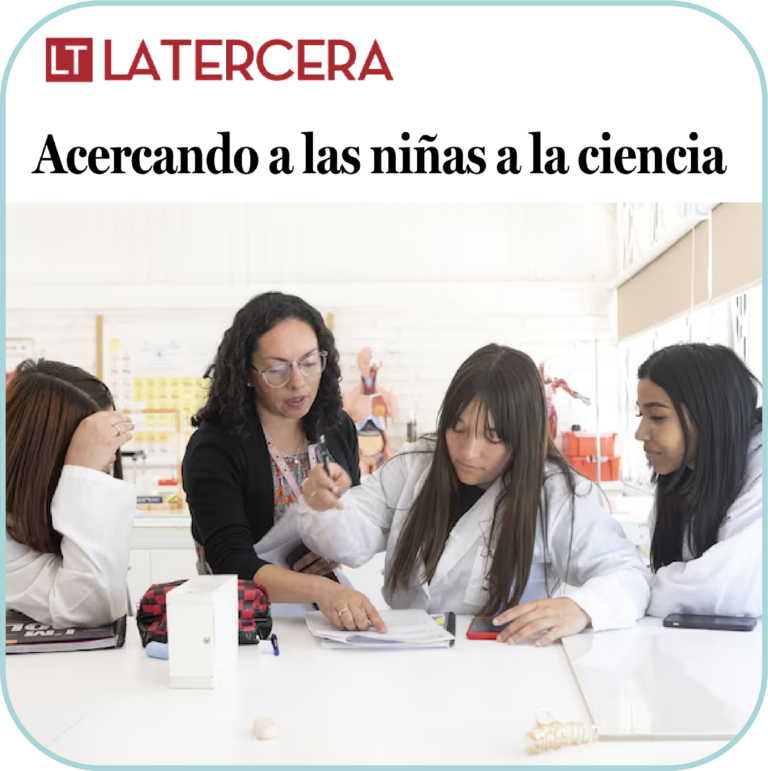
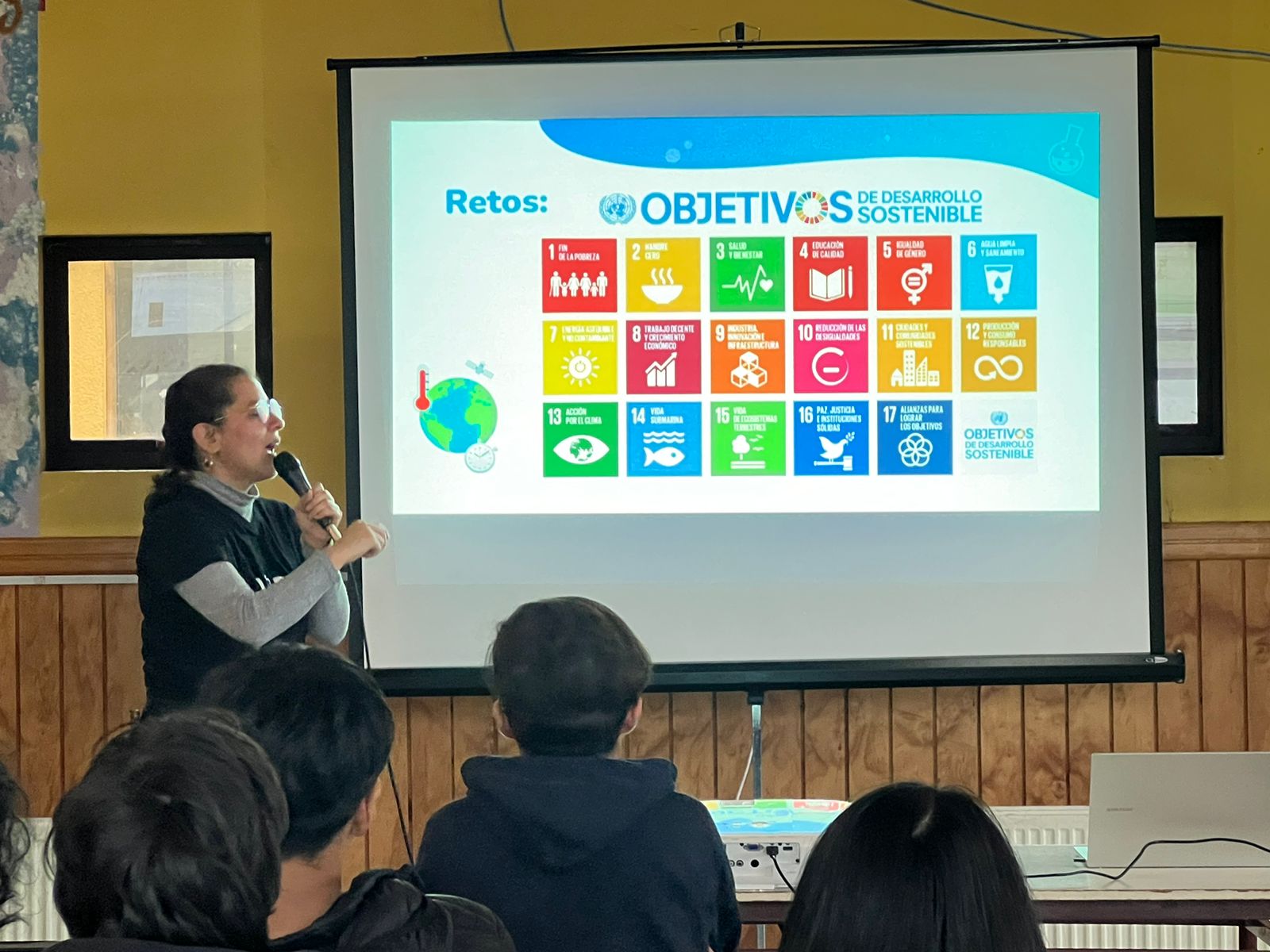
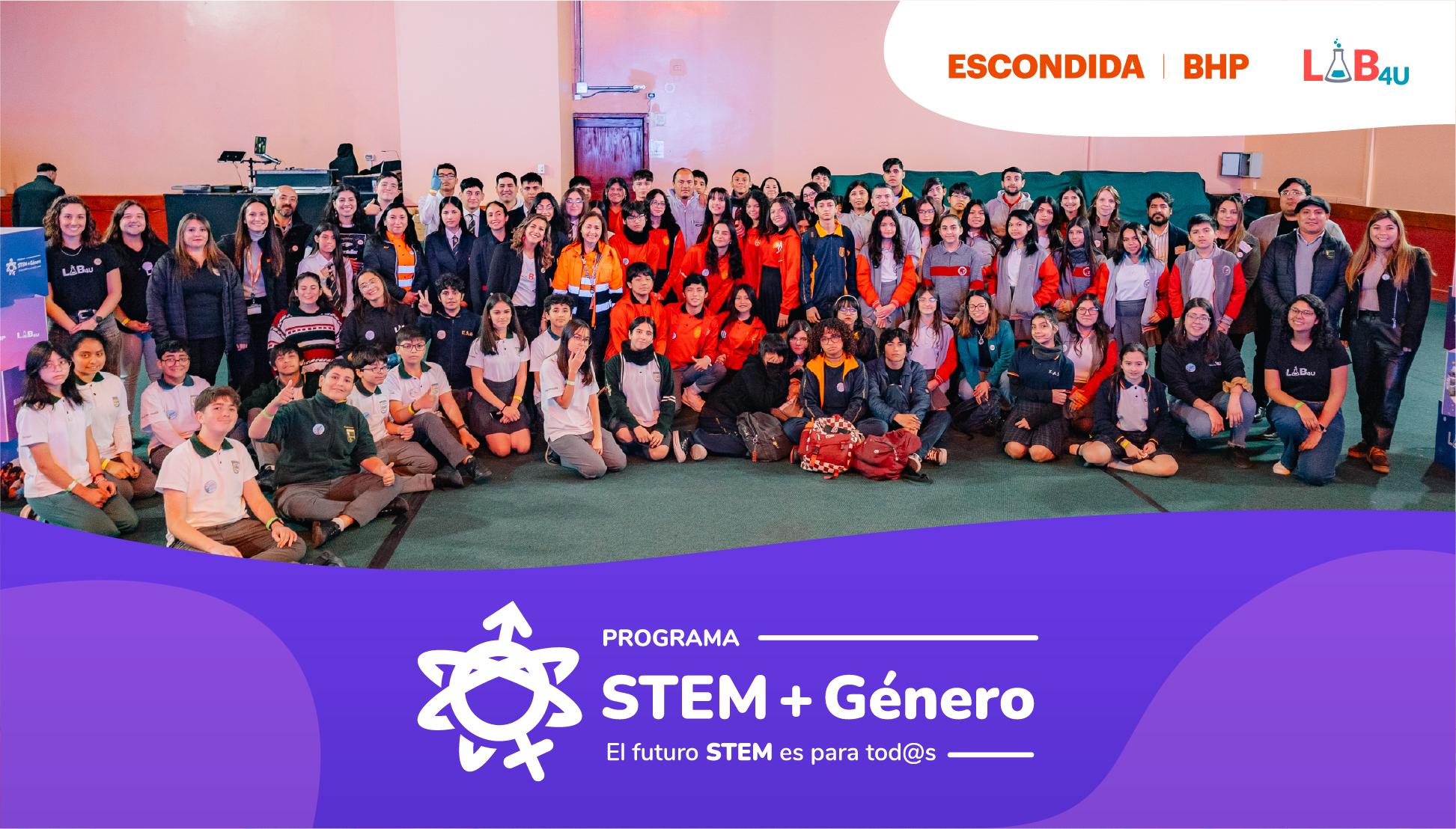
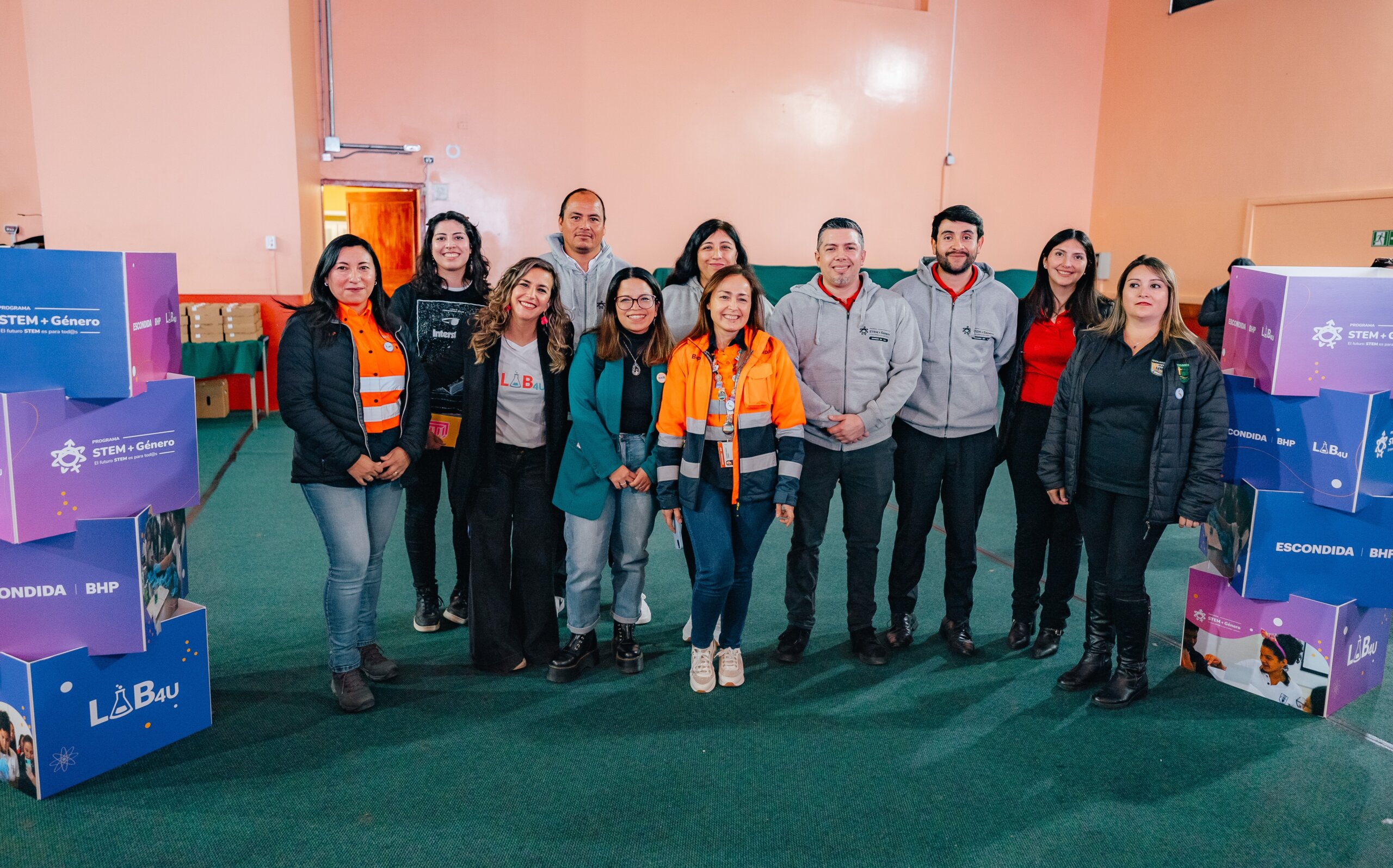
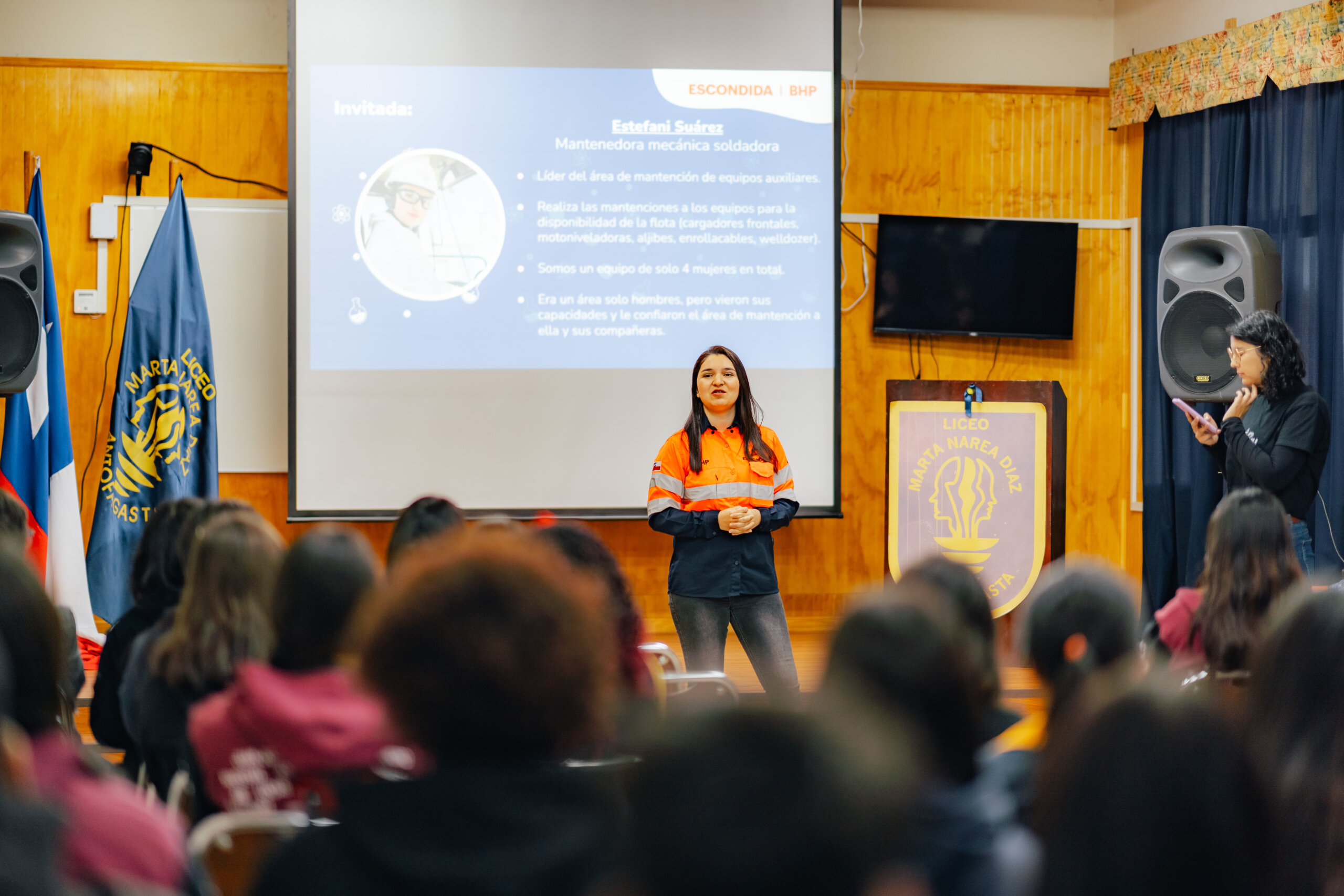
- STEM + Gender Program: Promoting science among girls and teens
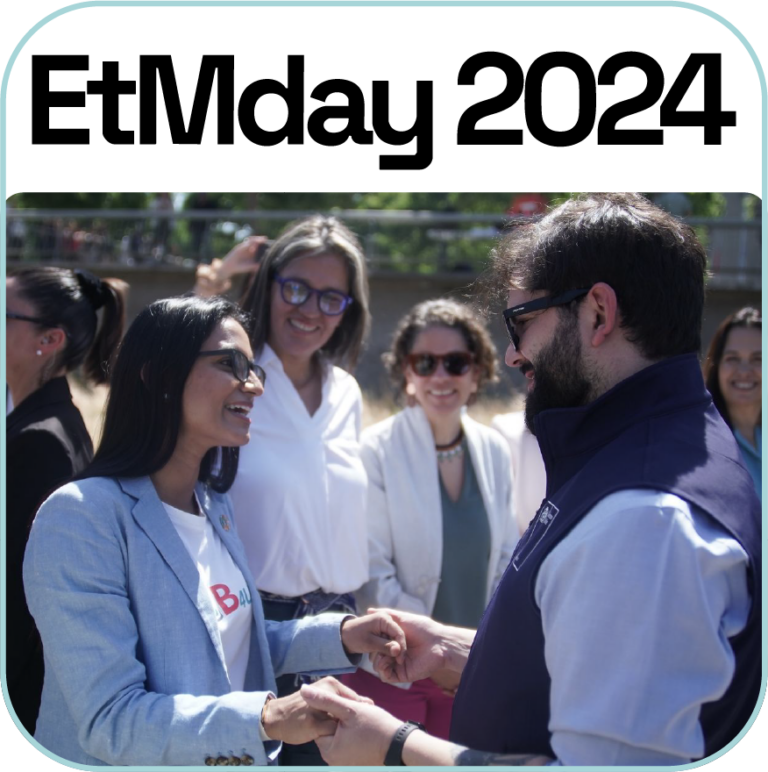
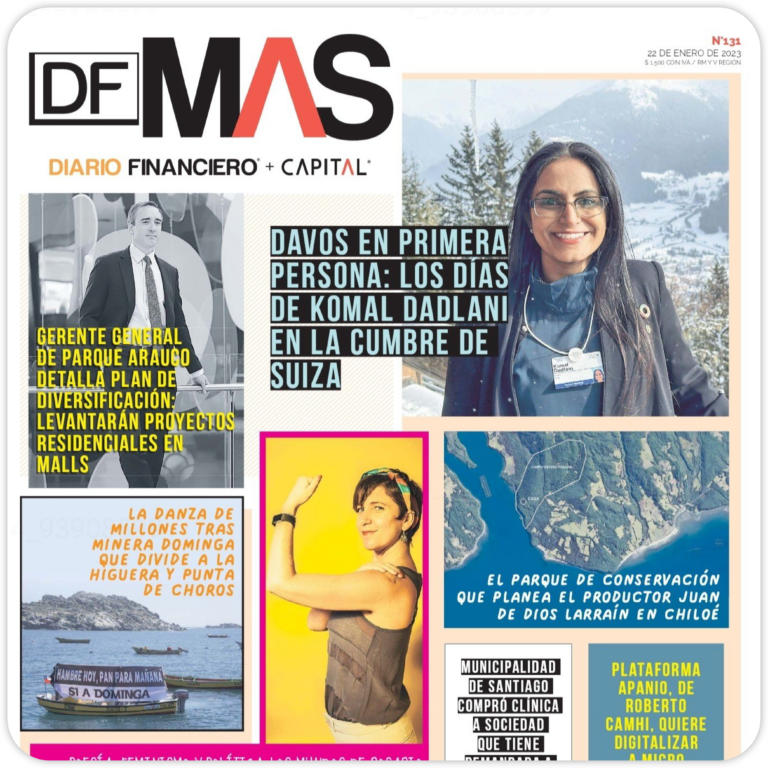
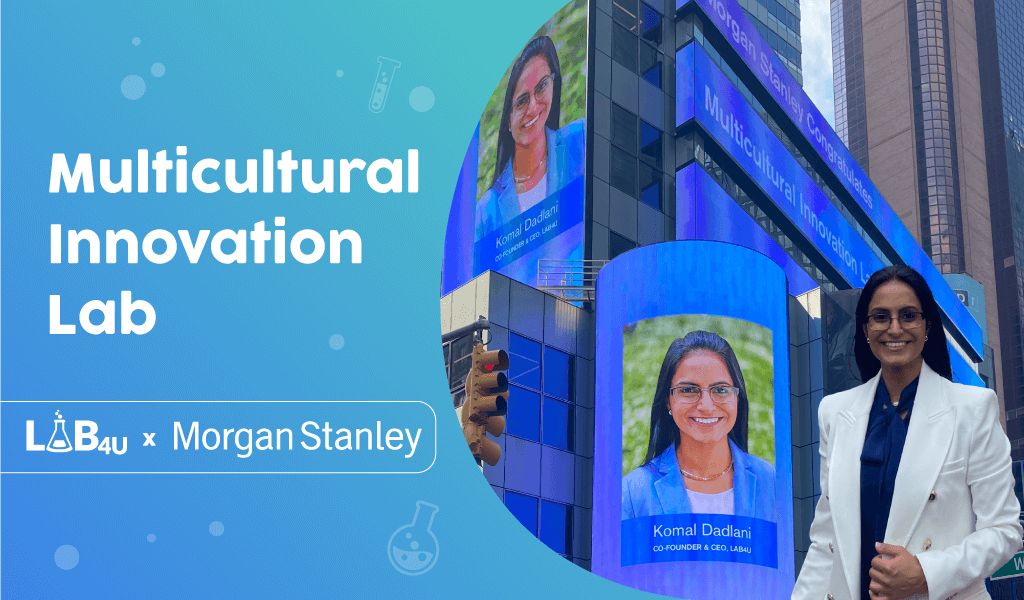
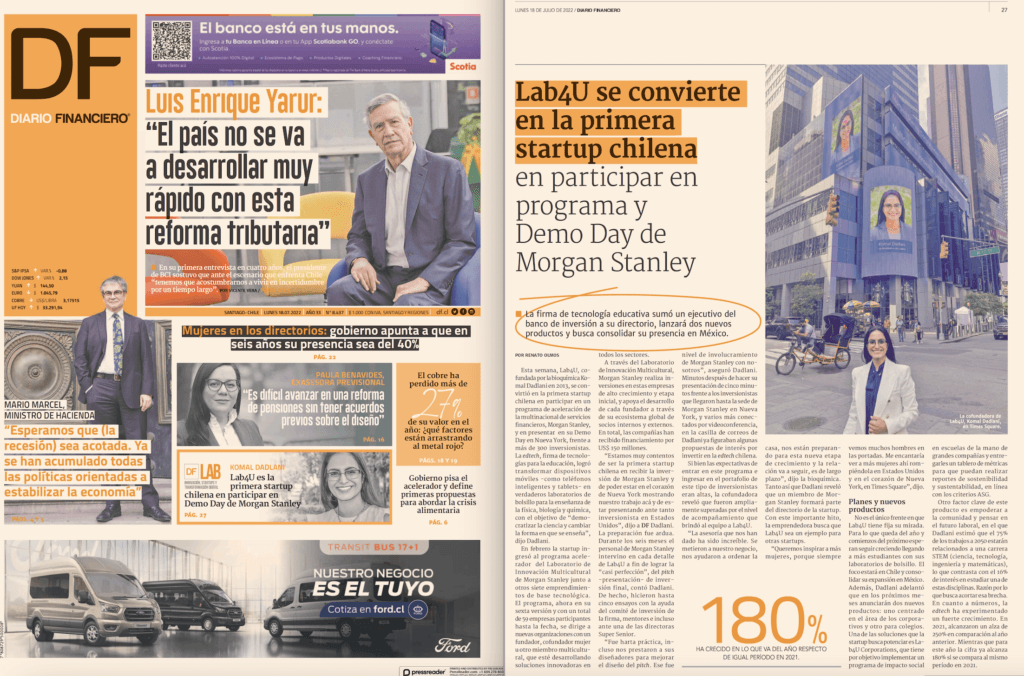
We also joined the presidential mission to India and received the Global EdTech Grand Prize from QS Reimagine Education.
 What’s next
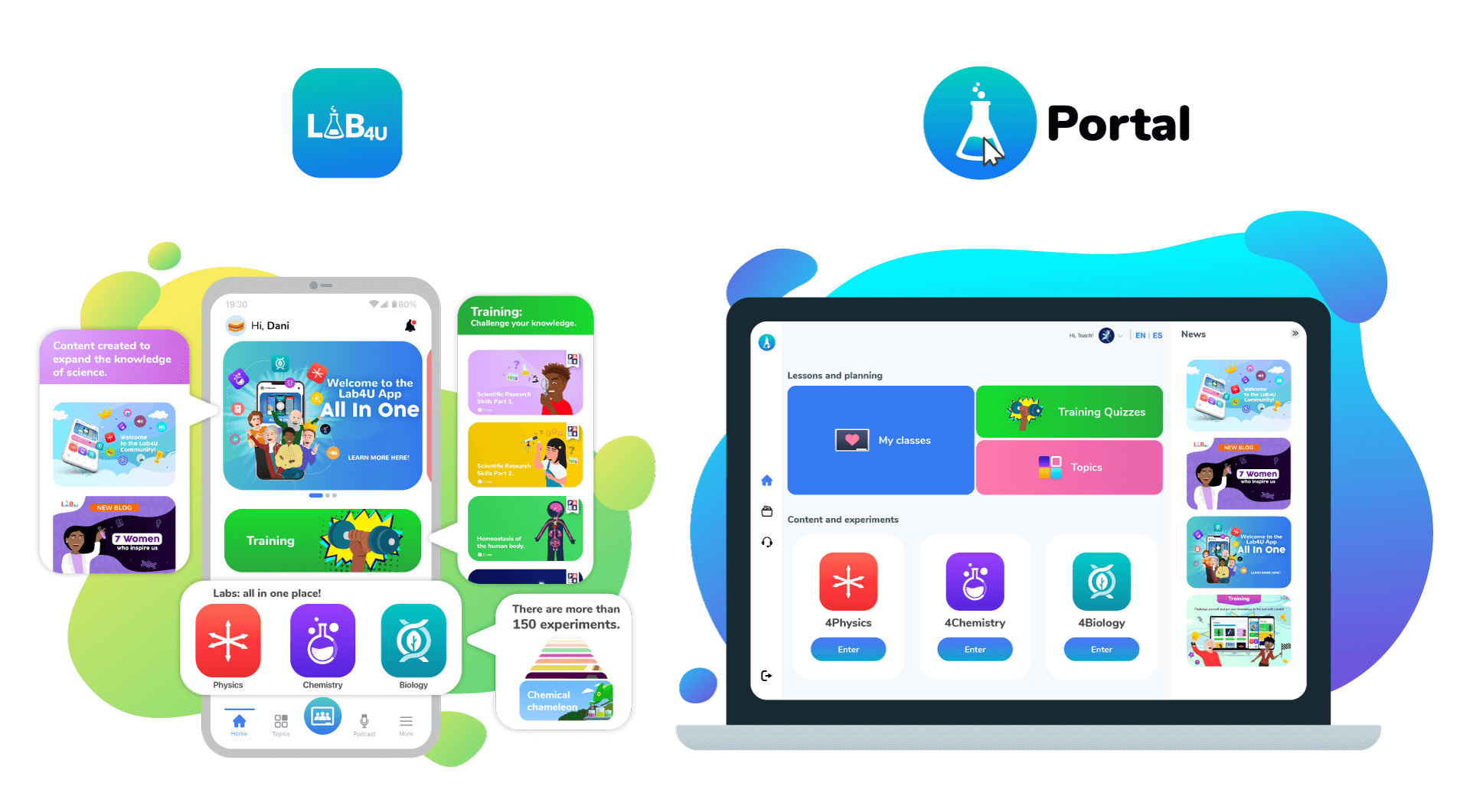
Looking ahead to 2026, we’re expanding beyond physics, chemistry, and biology. Soon we’ll have applied mathematics, environmental science, and biotechnology.
All this work is available in our full report.